

Categories
Change Password!
Reset Password!


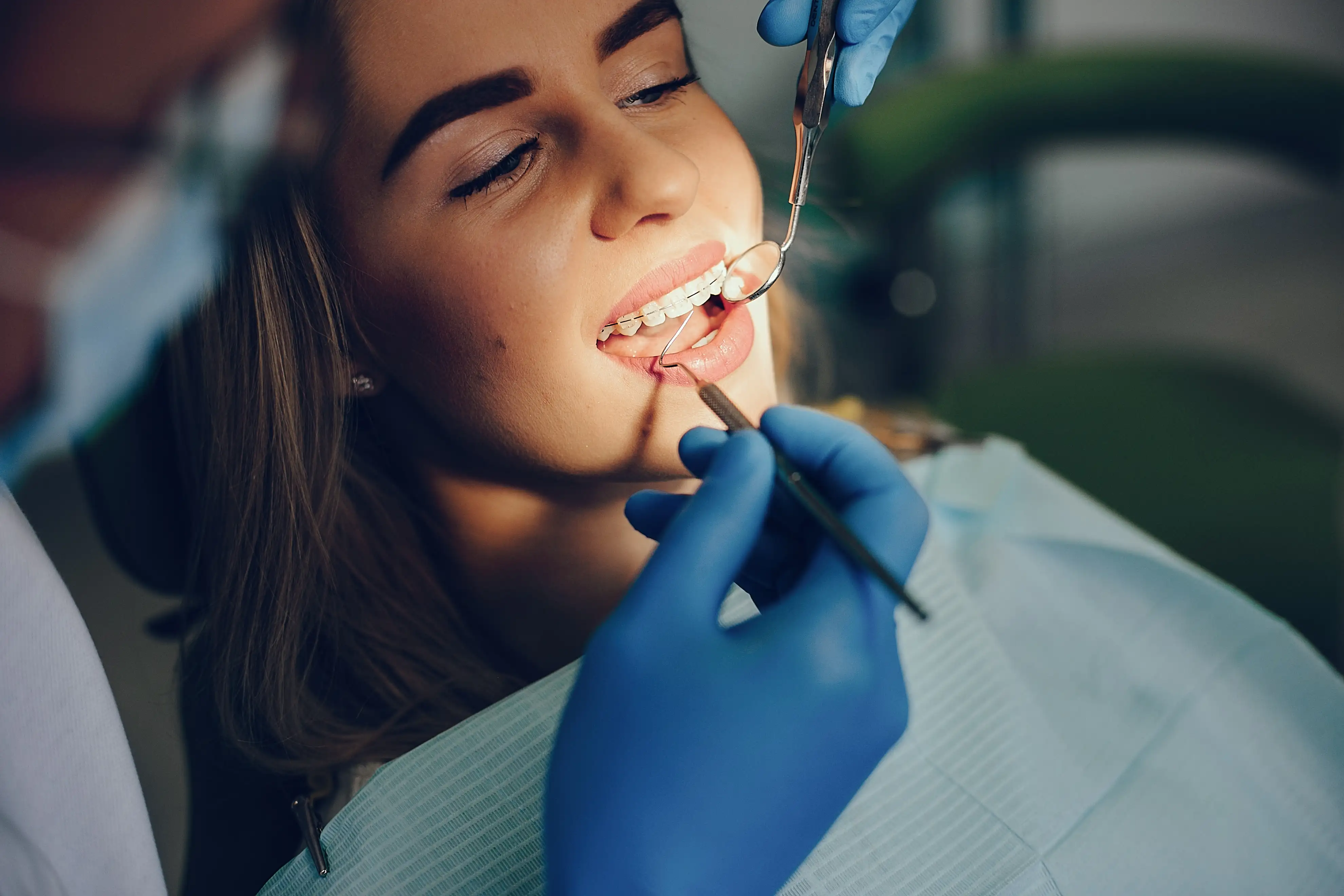
This umbrella meta-analysis determined whether mini-screws and micro-implants offer superior orthodontic outcomes than conventional anchorage techniques.
Mini-screws and micro-implants enhance skeletal expansion and limit molar displacement, outperforming traditional anchorage systems.
This umbrella meta-analysis determined whether mini-screws and micro-implants offer superior orthodontic outcomes than conventional anchorage techniques. Specifically, it examined their impact on skeletal width, intermolar width, suture expansion, interpremolar width, and molar movement in patients undergoing orthodontic treatment.
A comprehensive systematic search was executed across Google Scholar, ISI Web of Science, PubMed, and Scopus databases. Eligible studies included systematic reviews and meta-analyses focusing on the use of mini-screws or micro-implants in orthodontics. Methodological quality was assessed via the AMSTAR 2 tool.
For estimating effect size (ES) with 95% confidence intervals (CIs), a random-effects model was used. Heterogeneity was examined via the I² statistic and Cochrane’s Q-test. Subgroup and sensitivity analyses were performed to check the potential sources of variability.
A total of 11 meta-analyses including 50 datasets were analyzed. The pooled results indicated that mini-screws markedly increased intermolar width (ES = 2.61 mm; 95% CI: 0.29–4.92) and skeletal width (ES = 3.33 mm; 95% CI: 1.37–5.29). However, no prominent improvement was noted in interpremolar width or alveolar width pre and post Miniscrew-Assisted Rapid Palatal Expansion (MARPE). In contrast, micro-implants substantially reduced molar movement (ES = −1.13 mm; 95% CI: −1.99 to −0.26). Considerable heterogeneity (I² > 50%) was witnessed across several outcomes, which remained even after subgroup assessment.
Mini-screws and micro-implants can effectively enhance skeletal and intermolar expansion while offering better molar movement control when compared to traditional anchorage methods. Nevertheless, their influence on other parameters remains variable, emphasizing the need for well-designed, high-quality trials to strengthen evidence-based recommendations for orthodontic anchorage optimization.
Clinical and Experimental Dental Research
The Impact of Mini-Screws and Micro-Implants on Orthodontic Clinical Outcomes: An Umbrella Meta-Analysis
Abdolreza Jamilian et al.













Comments (0)