

Categories
Change Password!
Reset Password!


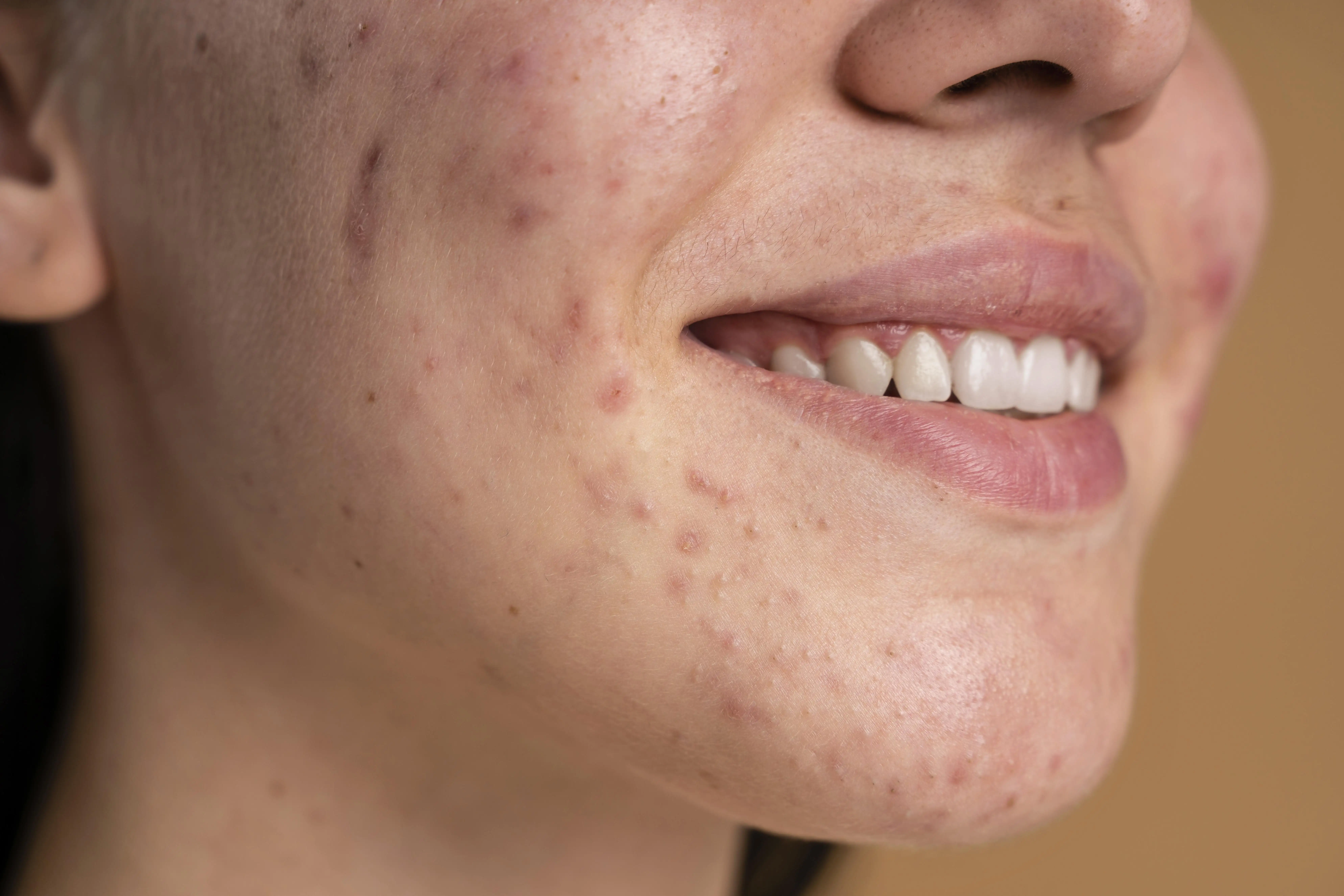
Although research on acne and nutrition is diverse, evidence regarding the direct impact of diet on acne remains inconsistent.
Most patients associate dietary factors with acne, believing that certain foods can either aggravate or improve their skin condition.
Although research on acne and nutrition is diverse, evidence regarding the direct impact of diet on acne remains inconsistent. Moreover, there is a limited understanding of how patients perceive the role of dietary factors in acne development and management. This cross-sectional study explored patients’ beliefs and perceptions regarding the connection between diet and acne.
This study was conducted among patients diagnosed with acne vulgaris at the dermatology departments. Volunteers completed a structured questionnaire assessing their demographic data and beliefs about dietary influences on acne. Data were examined via SPSS version 26, with statistical significance set at p < 0.05.
A total of 793 patients took part in the study, of whom 328 (41.36%) were aged 12–19 years and 482 (60.78%) were male. The majority believed that consuming sweets, chocolates, and fatty or fried foods worsened acne, while fruits, vegetables, and supplements such as zinc, omega-3, selenium, and green tea had beneficial effects. Prominent associations were found between acne severity, skin type, and patients’ beliefs about the influence of diet.
A large proportion of patients with acne vulgaris associate their skin condition with dietary habits. These findings highlight the need for educational interventions to raise awareness about evidence-based nutrition practices that may help prevent or alleviate acne symptoms.
Journal of Cosmetic Dermatology
Evaluating the Association Between Acne Vulgaris and Diet: An Exploratory Study on Patient Beliefs and Perceptions
Masomeh Salemi et al.














Comments (0)