

Категории
Сменить пароль!
Сброс пароля!


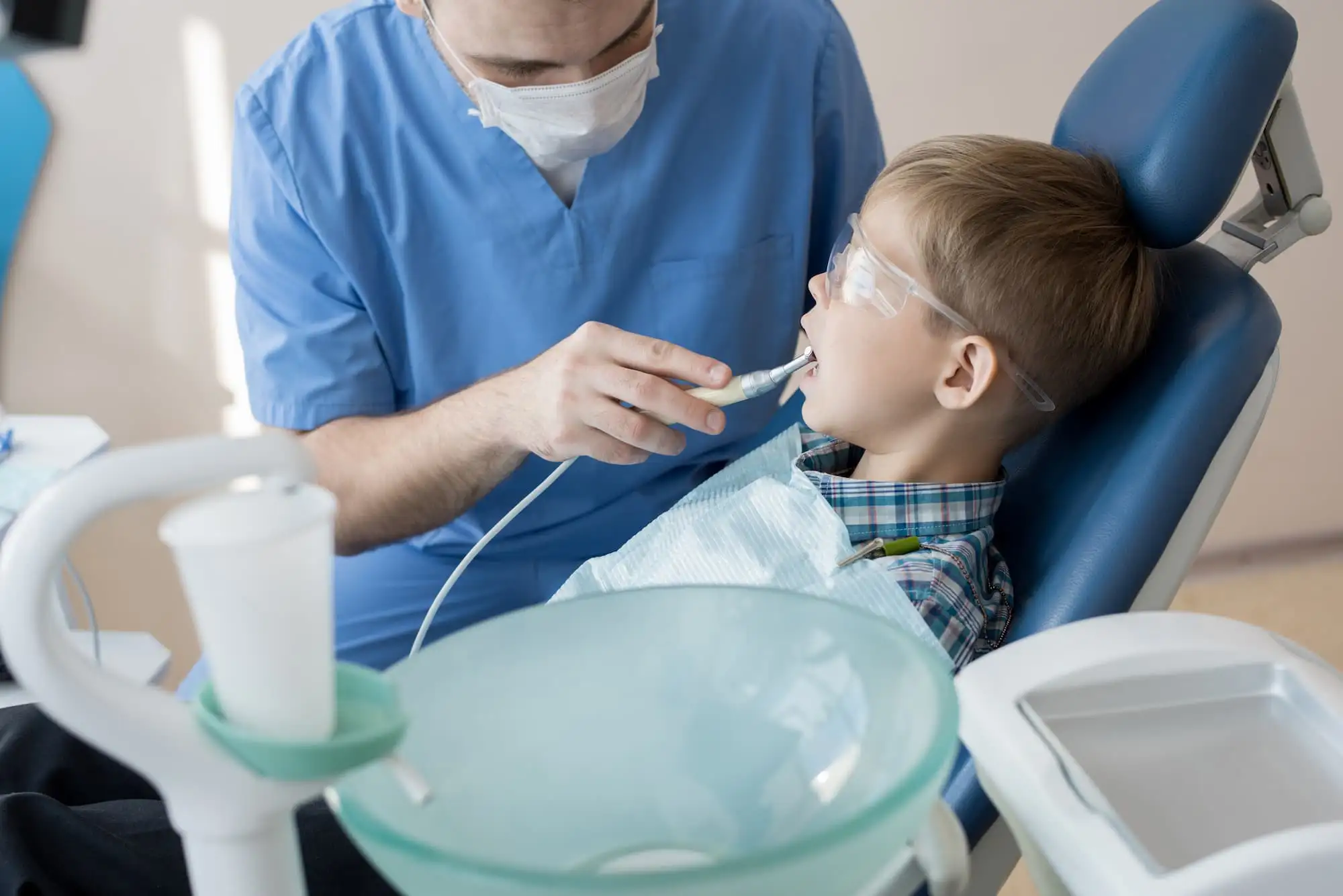
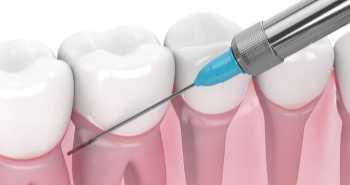
У детей пероральный прием мелатонина снижает стоматологическую тревожность и боль так же эффективно, как седация ингаляцией закиси азота, при сопоставимых показателях безопасности и восстановления.
Новое рандомизированное клиническое исследование показало, что пероральный прием мелатонина является эффективной и безопасной альтернативой ингаляционной седации закисью азота (N2O) для снижения тревожности у детей в возрасте от 5 до 8 лет, что открывает многообещающие перспективы для детской стоматологии и коррекции поведения.
С. Синха и соавт. (S. Sinha et al.) провели это рандомизированное исследование для оценки анксиолитического и седативного действия перорального приема мелатонина по сравнению с воздействием N2O у детей, что открывает новые перспективы в области детской стоматологии. В исследовании приняли участие 78 контактных детей, которые были случайным образом распределены в три группы:
Уровень тревожности оценивали с помощью шкалы тревожности Венхама, а также определяли физиологические показатели, включая частоту пульса, насыщение крови кислородом (SpO2) и уровень кортизола в слюне с помощью метода иммуноферментного анализа (ELISA). Глубина седации определялась с помощью шкалы оценки седации Houpt, а послеоперационное восстановление и удовлетворенность родителей регистрировались через 24 часа после лечения. Для статистического анализа использовали однофакторный дисперсионный анализ (ANOVA) и парные t-тесты, а размеры эффекта указывали как коэффициент d Коэна вместе с 95% доверительными интервалами (ДИ) для количественной оценки величины и точности наблюдаемых эффектов.
Результаты подтвердили, что пероральный прием мелатонина обеспечивает эффективное седативное действие и снятие тревоги, сопоставимое с N2O поддерживая стабильные жизненные показатели и повышая комфорт, что делает его жизнеспособной альтернативой для детской стоматологической практики.
European Archives of Paediatric Dentistry
Oral melatonin vs nitrous oxide inhalation for paediatric dental sedation: a randomised controlled ELISA-based study
S. Sinha и соавт.









Комментарии (0)