

Categories
Change Password!
Reset Password!


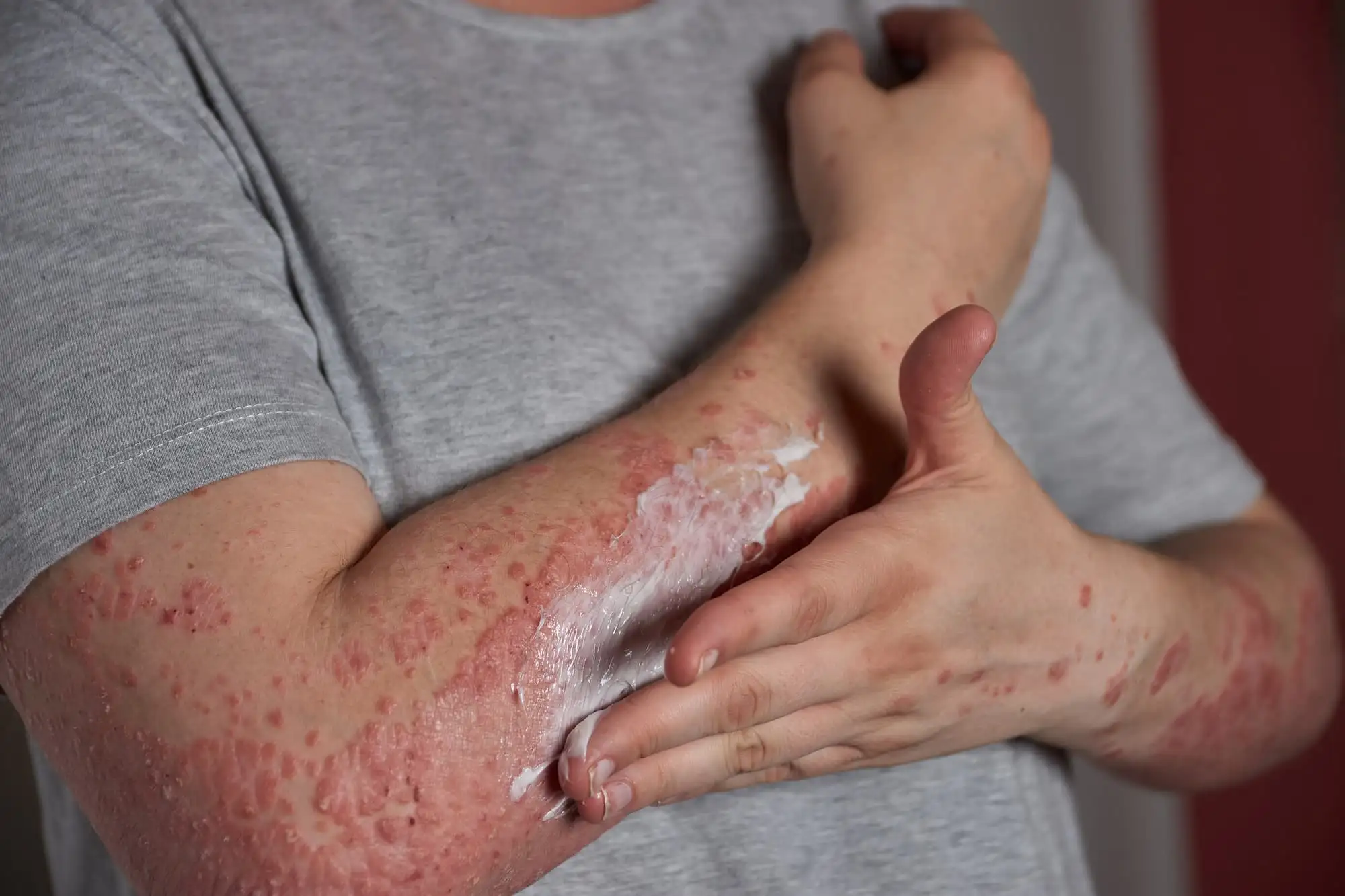
A traditional herbal formula, Jueyin Granules, delivers clinical improvements in mild-to-moderate psoriasis, emerging as a promising complementary therapy in modern dermatology.
Psoriasis is a persistent, immune-driven inflammatory disorder, and traditional Chinese medicine (TCM) is increasingly recognized for its multi-target therapeutic potential in this domain. Jueyin granules (JYG), a clinically validated botanical formulation, offers broad immunomodulatory and anti-inflammatory effects that align with the growing demand for safe, holistic treatment strategies. A randomized controlled study led by Xiaoying Sun et al. aimed to determine the efficacy and safety of oral JYG in adults with mild-to-moderate psoriasis (affecting less than 10% of their body surface area [BSA]) presenting with blood-heat syndrome.
A total of 195 participants were assigned in a 1:1 ratio to receive either JYG (n=99) or a matched placebo (n=96) using centralized allocation with block randomization. The changes were measured by the psoriasis area and severity index (PASI) and the proportion achieving a ≥50% reduction in PASI scores (PASI50) at week 8 as primary endpoints. Secondary assessments included dermatology life quality index (DLQI) scores, symptom severity on visual analog scales (VAS), and relapse rates through week 16. Data were collected across five clinical centers.
The results demonstrated a clear therapeutic advantage for JYG over placebo:
Researchers concluded that JYG offered a safe, effective therapeutic option for mild-to-moderate psoriasis, delivering clinically relevant reductions in disease severity. The trial reinforced the potential role of this traditional formulation as a complementary strategy in psoriasis care, particularly for patients seeking multidimensional, well-tolerated alternatives alongside standard care.
Journal of Ethnopharmacology
Efficacy and Safety of Jueyin Granules for Patients with Mild-to-Moderate Psoriasis Vulgaris: A Multicenter, Double-Blind, Randomized, Placebo-Controlled Trial
Xiaoying Sun et al.












Comments (0)