

Categories
Change Password!
Reset Password!


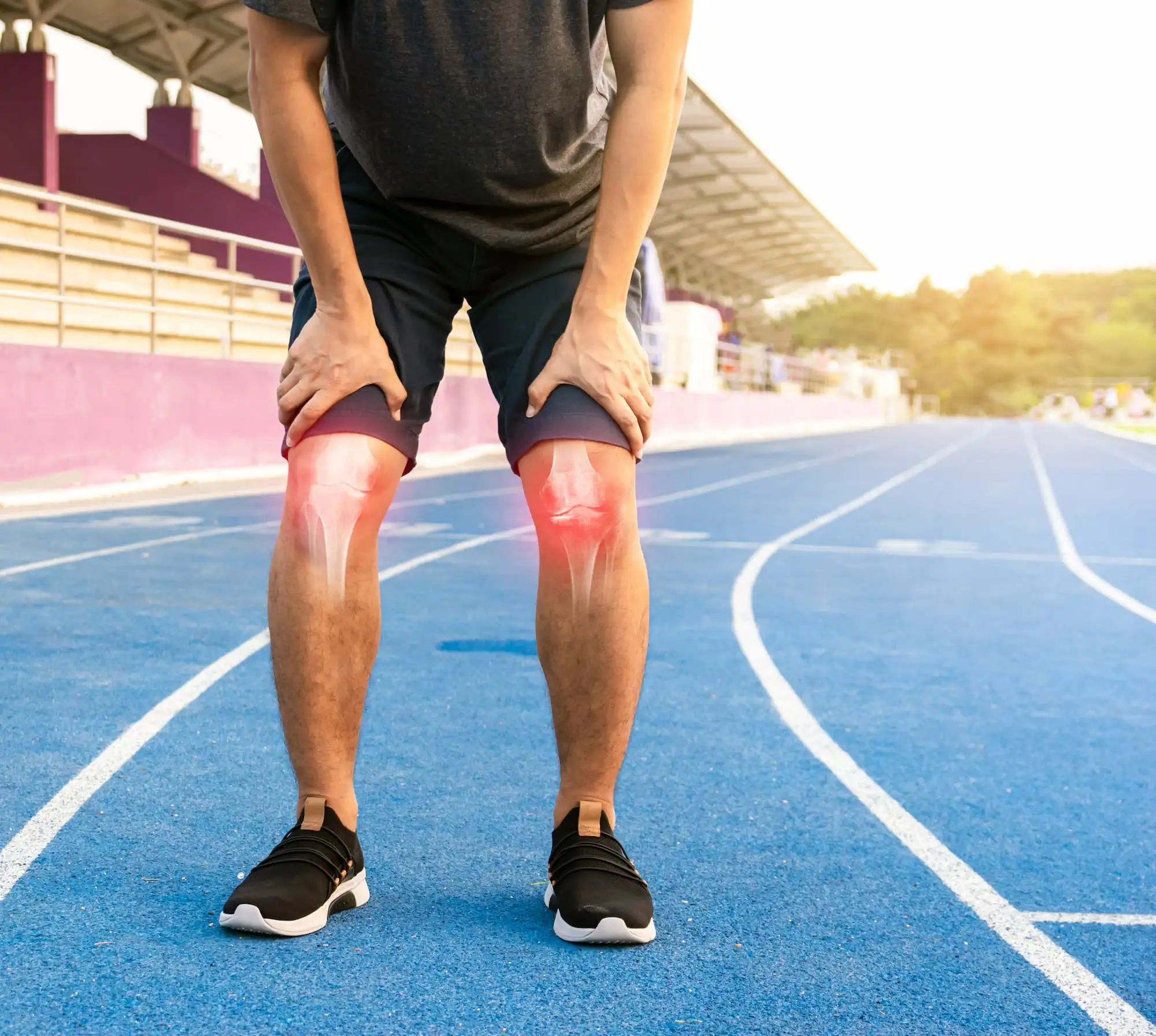
This randomized controlled trial compared the effectiveness of intra-articular (IA) injections of hyaluronic acid (HA) and oxygen-ozone (O2O3) in alleviating pain and disability in knee osteoarthritis (KOA).
Hyaluronic acid delivers more sustained pain reduction and functional recovery, whereas oxygen–ozone offers quicker but shorter-term relief in knee osteoarthritis.
This randomized controlled trial compared the effectiveness of intra-articular (IA) injections of hyaluronic acid (HA) and oxygen-ozone (O2O3) in alleviating pain and disability in knee osteoarthritis (KOA).
Patients experiencing KOA-related pain for a minimum of 3 months were randomly assigned to receive 3 weekly IA injections of either HA (Group A) or O2O3 (Group B). Assessments were conducted at baseline (T0) and then at 1 month (T1), 3 months (T2), 6 months (T3), and 12 months (T4) post-treatment. Outcome measures included the Western Ontario and McMaster Universities Osteoarthritis Index (WOMAC) pain scale, WOMAC Likert version 3.1, Numeric Rating Scale (NRS), and Knee Injury and Osteoarthritis Outcome Score (KOOS).
Of 122 patients screened, 112 were enrolled. Both treatment arms demonstrated significant improvements across all outcome measures as early as 1 month post-intervention (HA: 6.77 ± 2.53 to 3.66 ± 2.57; O2O3: 6.50 ± 2.24 to 3.45 ± 2.30). Notably, at T2 and T3, the HA group exhibited greater reductions in pain scores and superior functional recovery compared with O2O3.
Intra-articular administration of both HA and O2O3 proved to be safe and clinically effective in KOA management, attributable to their anti-inflammatory properties. O2O3 provided earlier symptomatic relief, whereas HA illustrated more sustained benefits, with superior outcomes from 3 months onward.
Journal of Back and Musculoskeletal Rehabilitation
Intra-articular injections of oxygen-ozone versus hyaluronic acid for the treatment of knee osteoarthritis: A randomized controlled trial
Cristiano Sconza et al.












Comments (0)