

Categories
Change Password!
Reset Password!


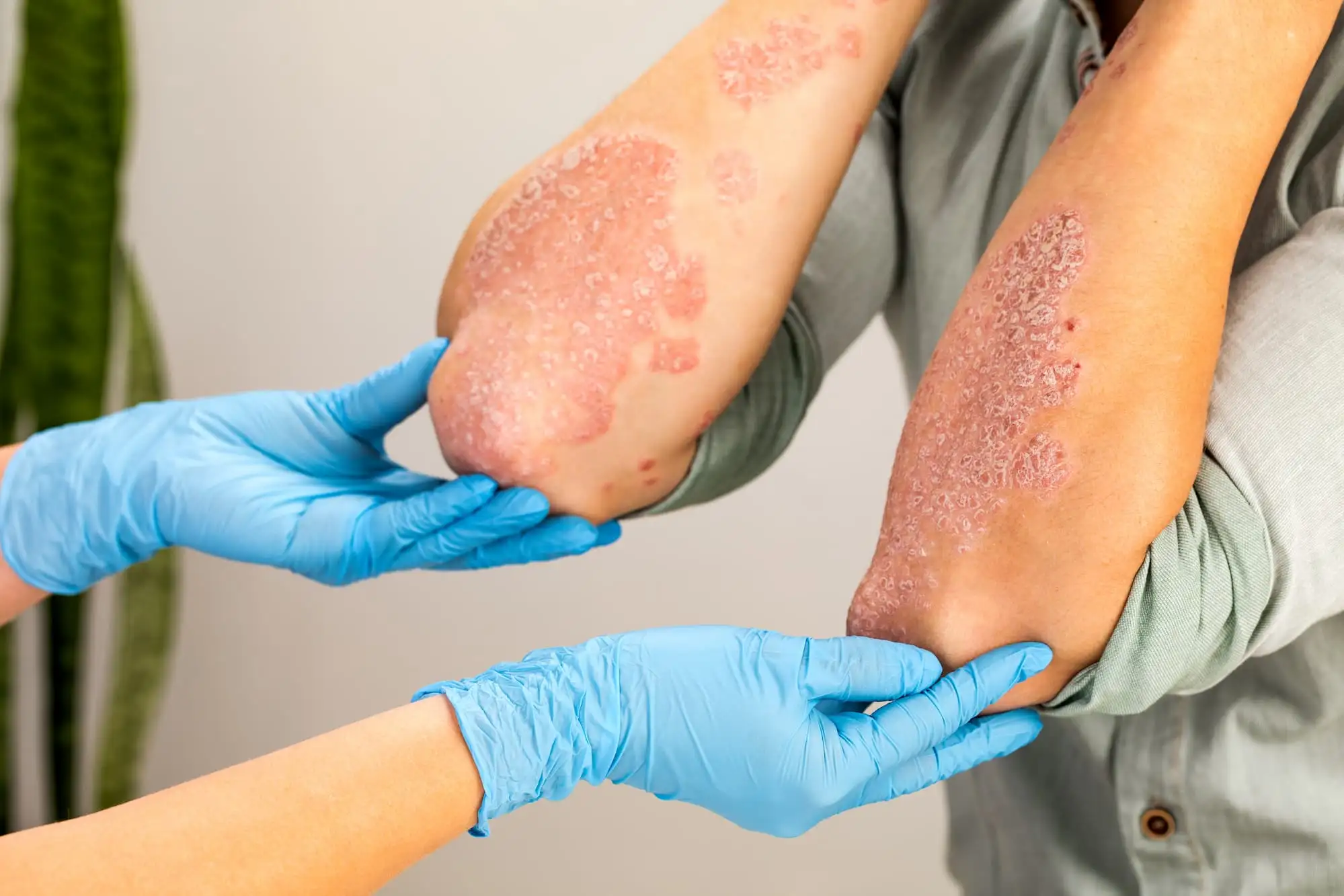
Combination therapy with terbinafine and itraconazole improves cure rates and reduces recurrence when compared with monotherapy in people with fungal infections.
For the management of fungal skin infections, using terbinafine and itraconazole together results in higher treatment success and fewer relapses than single-drug therapy, according to the findings of a systematic review and meta-analysis published in "Cureus". The goal was to compare itraconazole and terbinafine monotherapy versus combination therapy for fungal infections.
The analysis included randomized controlled trials (RCTs) and observational studies retrieved from PubMed and Cochrane Central databases, with no language restrictions. Data were analyzed using a random-effects statistical model, with risk ratios (RR), 95% confidence intervals, and significance set at p ≤ 0.05.
As found, combination therapy resulted in considerably higher cure rates compared to terbinafine alone, with a RR of 2.01 (p=0.0003). In the sensitivity analyses, combination therapy also outperformed itraconazole monotherapy, showing a cure rate RR of 1.91 (p<0.0001). The recurrence risk was dramatically lower among those receiving combination therapy, with a risk ratio of 0.08 (p=0.003), suggesting sustained therapeutic benefits.
The results strongly suggest that terbinafine + itraconazole combination therapy may be more beneficial for managing resistant and recurrent fungal diseases than standard single-drug treatment.
Cureus
Efficacy of Terbinafine and Itraconazole Combination Therapy Versus Terbinafine or Itraconazole Monotherapy in the Management of Fungal Diseases: A Systematic Review and Meta-Analysis
Syed Hassan Tanvir Ramzi et al.












Comments (0)