

Categories
Change Password!
Reset Password!


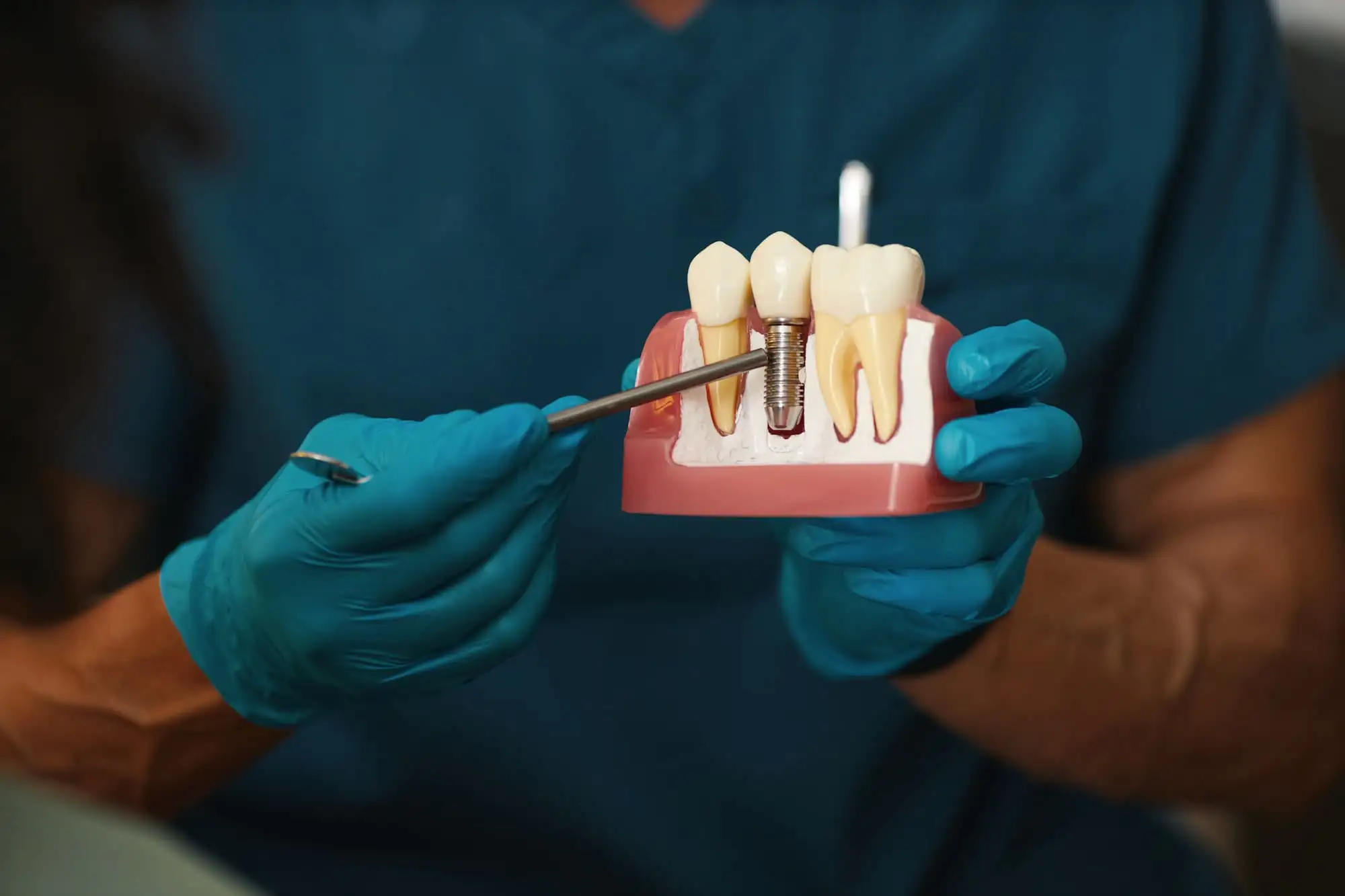
Computer-assisted dental implants improve esthetic outcomes and patient satisfaction, while free-hand placement reduces biological complications.
Digital dentistry is rapidly reshaping implant therapy, with computer-assisted systems increasingly used to enhance surgical accuracy, optimize esthetic outcomes, and support predictable long-term function. As these technologies continue to expand across clinical practice, understanding whether digital guidance truly outperforms traditional free-hand implant placement (FHIP) remains a critical question for clinicians seeking evidence-based treatment choices.
Against this evolving landscape, the study sought to compare computer-assisted implant surgery (CAIS) with FHIP across key clinical, radiographic, and patient-centered outcomes. The investigators performed a comprehensive search of 5 major databases, complemented by hand-searching and cross-referencing, to identify randomized controlled trials (RCTs) published up to November 2024.
Eligible studies included those directly comparing CAIS with FHIP and reporting outcomes such as marginal bone loss (MBL), implant survival, patient satisfaction, pink esthetic scores, probing depth, and postoperative complications. Data extraction and quality assessment were carried out via the Cochrane risk-of-bias tool, while certainty of evidence was rated via the GRADE framework.
In this systematic review and meta-analysis, sensitivity and subgroup analyses were applied to check the robustness of the findings. A total of 12 publications derived from 9 RCTs, encompassing 395 volunteers and 1,242 implants, were included. Overall comparisons showed no statistically significant differences in implant survival or general MBL between CAIS and FHIP. However, subgroup analyses revealed meaningful divergences.
The analysis showed that both CAIS and FHIP achieved consistently high implant survival rates exceeding 98%, yet their clinical strengths diverged across specific contexts. CAIS offered clear advantages in fresh socket applications and patient-reported esthetic outcomes, while FHIP demonstrated fewer biological complications and stronger performance in open-flap procedures. Despite variability in evidence quality, the findings highlighted the importance of tailoring implant placement techniques to individual clinical scenarios rather than adopting a universal approach.
The International Journal of Oral & Maxillofacial Implants
Comparison Between Computer-Assisted and Free-Hand Dental Implant Placement: A Systematic Review and Meta-analysis
Mohammadjavad Shirani et al.










Comments (0)