

Categories
Change Password!
Reset Password!


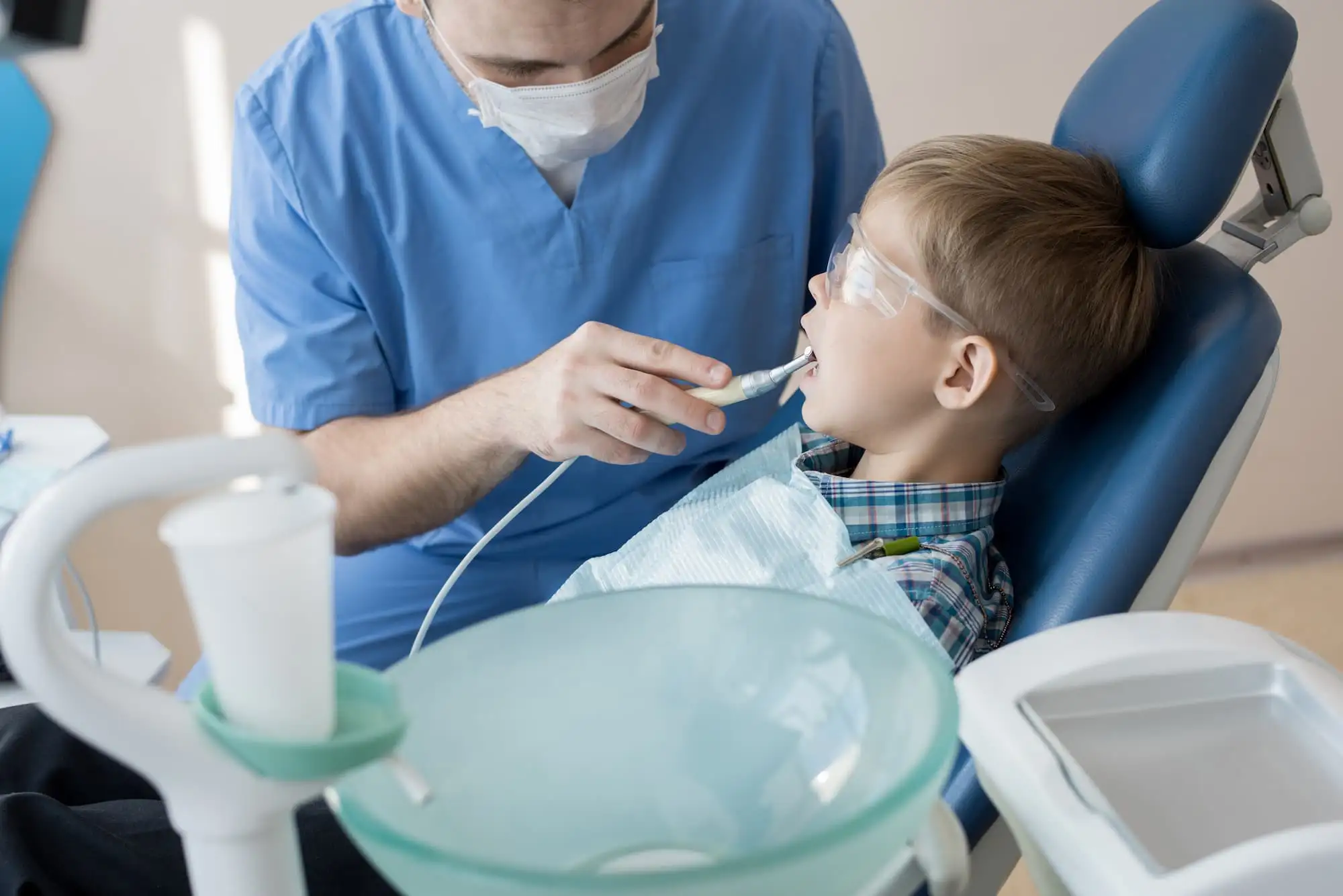
In children, oral melatonin reduces dental anxiety and pain as effectively as nitrous oxide inhalation sedation, with comparable safety and recovery outcomes.
A new randomized clinical trial highlights oral melatonin as an effective and safe alternative to nitrous oxide (N2O) inhalation sedation for easing dental anxiety in children aged 5 to 8 years, offering promising implications for paediatric dentistry and behaviour management.
S. Sinha et al. conducted this randomized trial to assess the anxiolytic and sedative effects of oral melatonin against N2O in children, offering new insights into pediatric dental care. The study involved 78 cooperative children, who were randomly assigned to three groups:
Anxiety was evaluated using the Venham Anxiety Scale, alongside physiological measures including pulse rate, oxygen saturation (SpO2), and salivary cortisol levels determined through enzyme-linked immunosorbent assay (ELISA). Sedation depth was assessed with the Houpt Sedation Rating Scale, while post-operative recovery and parental satisfaction were recorded 24 hours following treatment. Statistical analyses were conducted using one-way ANOVA and paired t-tests, with effect sizes reported as Cohen’s d alongside 95% confidence intervals (CI) to quantify the magnitude and precision of observed effects.
Pediatric patients treated with N2O or oral melatonin showed marked improvements in anxiety and pain scores over the control group.
Results confirmed that oral melatonin offered effective sedation and anxiety relief comparable to N2O, maintaining stable vitals and enhancing comfort, thus presenting a viable alternative for pediatric dental practice.
European Archives of Paediatric Dentistry
Oral melatonin vs nitrous oxide inhalation for paediatric dental sedation: a randomised controlled ELISA-based study
S. Sinha et al.










Comments (0)