

Categories
Change Password!
Reset Password!



Children born before 27 weeks show persistent cognitive vulnerability at 8 years, particularly those born at 22–23 weeks.
A single tertiary center in Japan investigated the long-term cognitive outcomes of children born before 27 weeks of gestation. The research focused on 73 children who were assessed at 8 years of age to determine the extent of neurodevelopmental impairments in this high-risk population. The cohort comprised four gestational-age groups (Table 1):
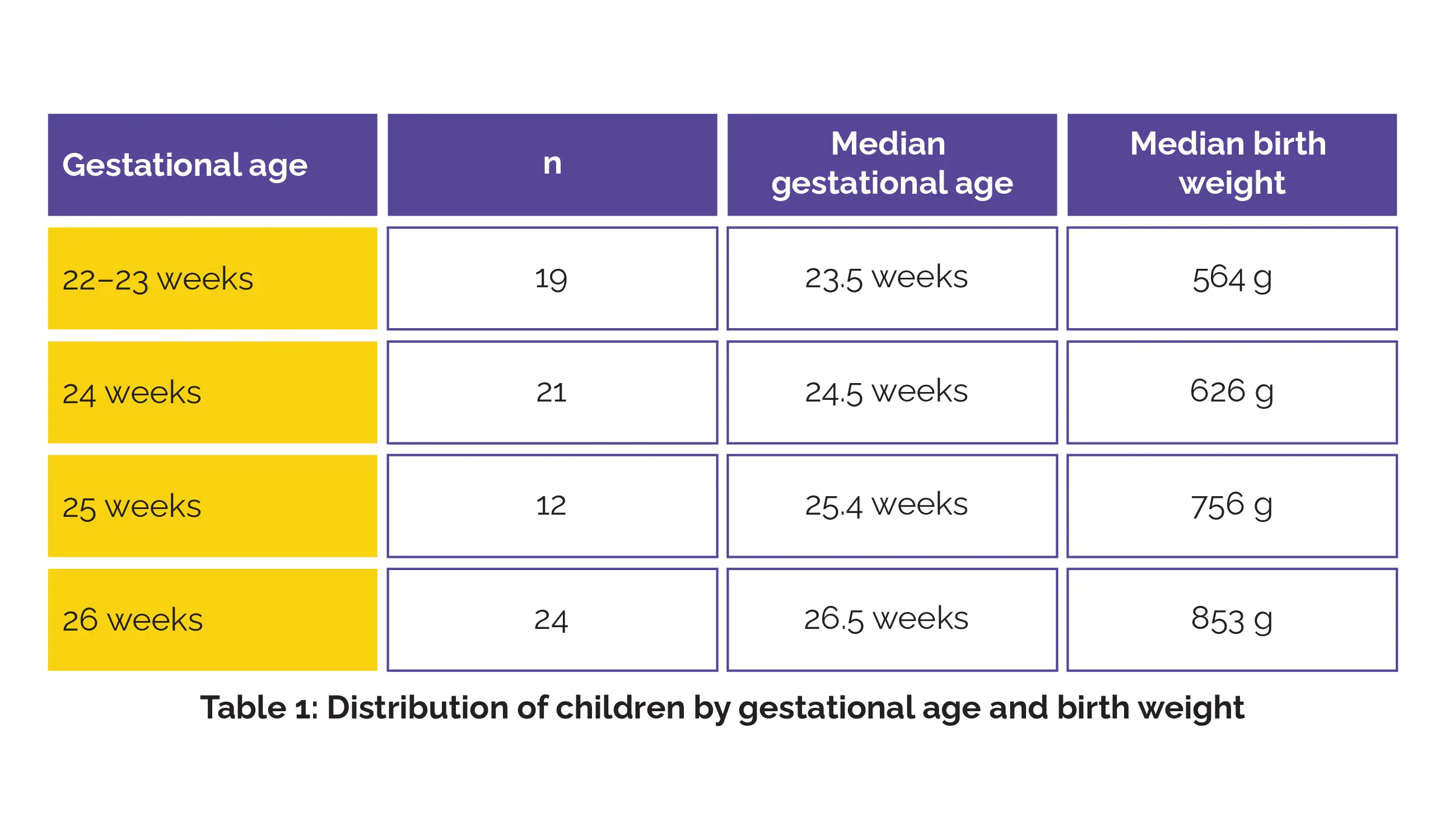
The evaluation utilized standardized tools, including the Wechsler Intelligence Scale for Children (WISC-IV or WISC-V) and the Kyoto Scale of Psychological Development. A lower gestational age was correlated with several critical perinatal factors:
The data showed that while median full-scale IQ scores at age eight remained below the national average across all gestational age groups, the scores improved remarkably as gestational age advanced. One of the most striking findings involved the longitudinal transition of cognitive categories between early childhood and school age. Substantial increase in the number of children functioning within the normal cognitive range over a five-year period was reported:
Children born at 22–23 weeks' gestation remained at the highest risk for cognitive difficulties. However, the overall significant improvement in outcomes and the potential for category shifts over time underscored the requisition for structured, long-term follow-up programs. These programs should extend well into school age to support the evolving needs of these children.
Pediatrics & Neonatology
Cognitive function at school age in children born before 27 weeks’ gestation: A single-center retrospective study in Japan
Keiji Takakubo et al.















Comments (0)