

Categories
Change Password!
Reset Password!


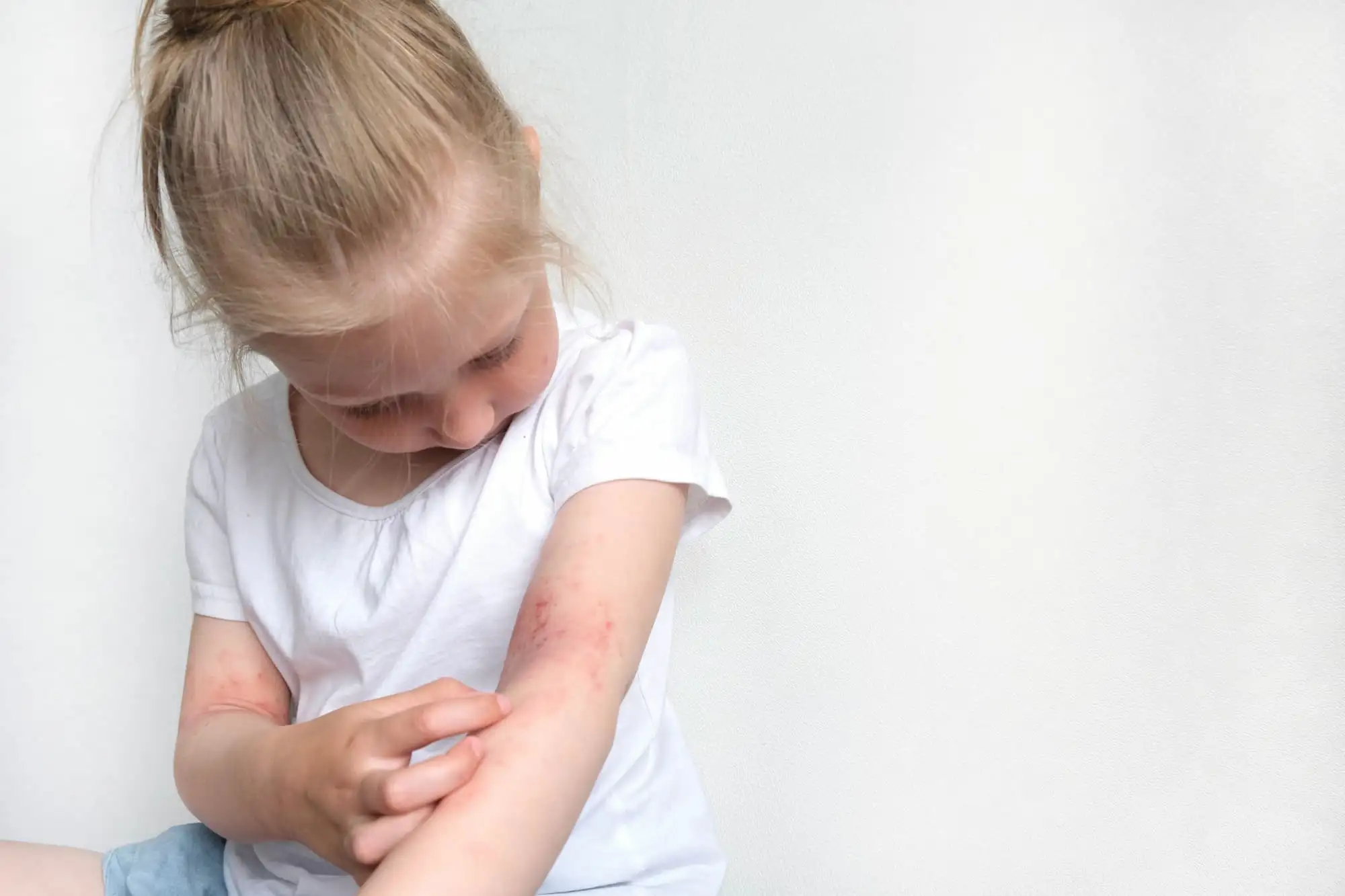
Targeted treatment of atopic dermatitis during the first months of life is associated with persistent benefits for food allergy prevention, extending into early childhood.
Atopic dermatitis (AD) is frequently the earliest step in the “atopic march,” a sequence of allergic conditions that can progress to food allergies, asthma, and allergic rhinitis during childhood. Disruption of the skin barrier in early life is believed to facilitate allergen exposure and sensitization, making infancy a critical window for intervention. As a result, researchers have increasingly explored whether aggressive early eczema care can influence the future development of allergic diseases.
The original Prevention of Allergy via Cutaneous Intervention (PACI) randomized controlled trial (RCT) showed that proactive topical corticosteroid (TCS) treatment initiated during infancy was associated with a modest reduction in food allergy (FA) risk during the first months of life. Building on these findings, the present follow-up study aimed to evaluate whether the benefits of early intensive eczema treatment were sustained through 3 years of age and whether they affected allergic outcomes, disease severity, quality of life (QoL), and growth.
Researchers performed a prospective follow-up assessment of children enrolled in the PACI RCT. Infants with AD were randomly assigned to receive either an enhanced proactive TCS regimen or a conventional reactive treatment strategy during the first 28 weeks of life. To evaluate the long-term impact of these early interventions, 590 children who completed the trial were monitored until 3 years of age. Following the intervention period, participants received standard clinical care without any study-directed treatment.
Researchers assessed the persistence of treatment effects by examining FA prevalence, AD severity, allergic sensitization patterns, respiratory and nasal allergic diseases, QoL, and growth outcomes. Long-term follow-up demonstrated that the benefits of proactive eczema treatment during infancy extended beyond the intervention period, with lower rates of FA observed at 3 years of age among children who received enhanced treatment (Table 1).
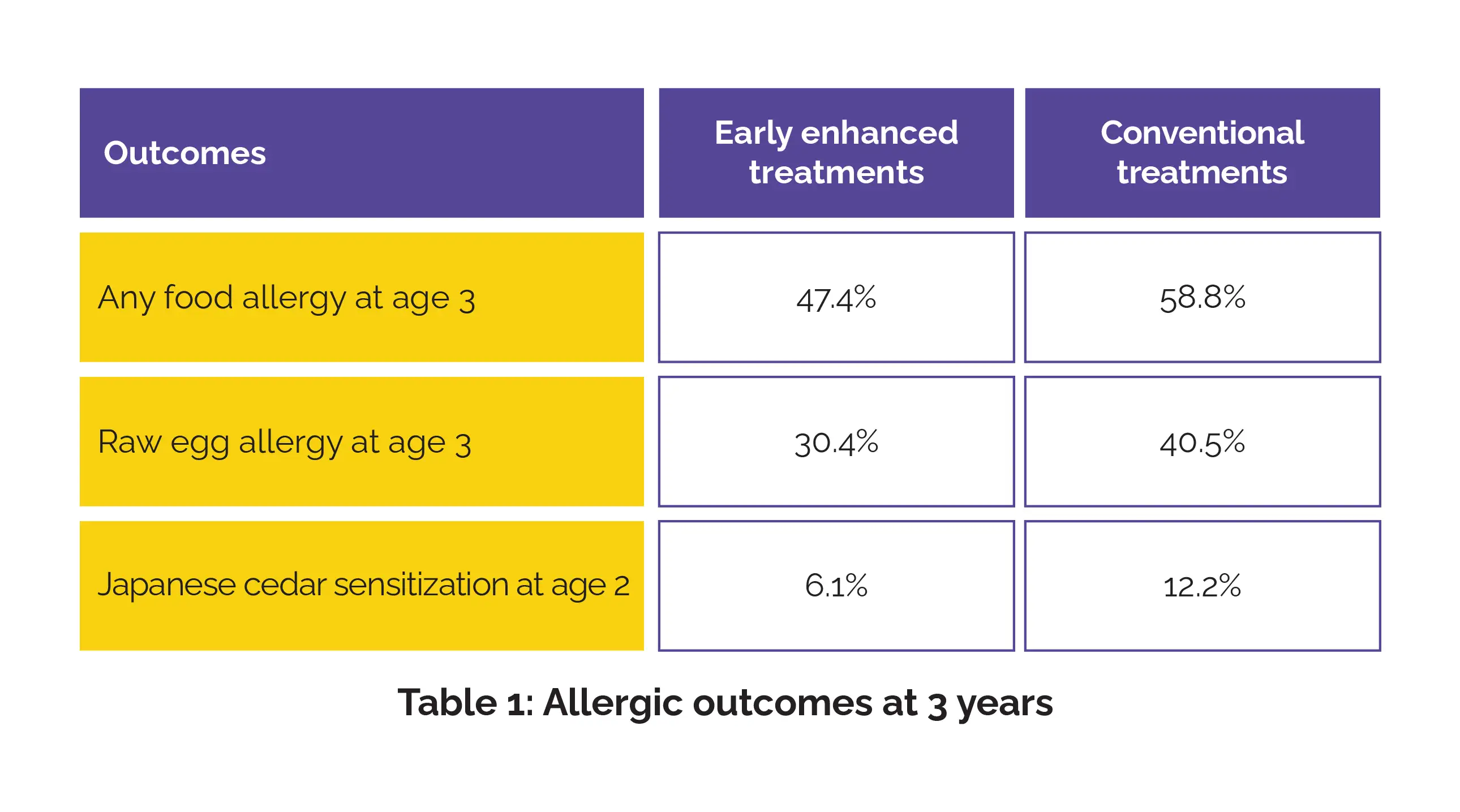
Beyond FA outcomes, both treatment groups showed similar rates of wheeze, asthma, and allergic rhinitis during follow-up. Disease control remained favorable, with more than 90% of children achieving mild or less severe AD. QoL measures were well maintained across both groups, and the temporary growth suppression observed earlier in childhood was no longer evident by age 3. The findings indicate that aggressive early management of AD may modestly alter allergic disease trajectories by reducing subsequent food allergy risk, although effects on respiratory allergic diseases remain unproven.
Allergy
Three-Year Follow-Up of the PACI Randomized Controlled Trial (PACI-ON): Effects of Early Intervention for Atopic Dermatitis on Atopic March
Kiwako Yamamoto-Hanada et al.











Comments (0)