

Categories
Change Password!
Reset Password!



Geriatric allergy complaints frequently stem from non-allergic etiologies, drug hypersensitivities, and high comorbidity burdens rather than traditional IgE-mediated atopy.
Allergic symptoms in older adults may not always signal a classic allergic disorder. A retrospective study of 1,302 geriatric patients attending a tertiary allergy clinic shows that non-allergic disease, drug-related reactions, and multiple comorbidities are prominent features of allergy care in this population.
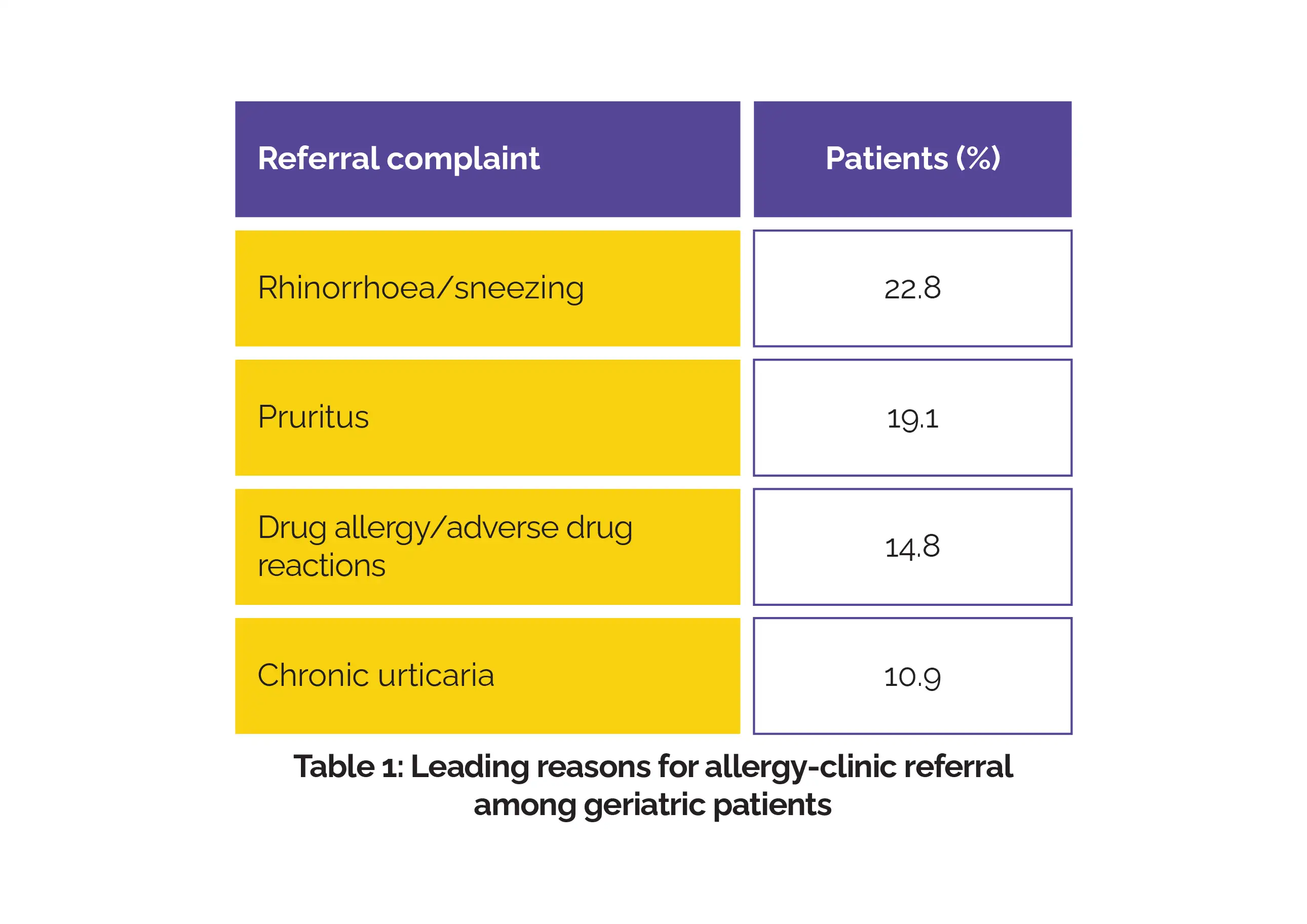
The study evaluated people aged 65 years and above who visited the Immunology and Allergy outpatient clinic. Subjects had a mean age of 70.9 years, and 59.8% were female. Rhinorrhoea and sneezing were the leading referral complaints, followed by pruritus, drug allergy/adverse drug reactions, and chronic urticaria (Table 1).
Not every "allergy" was allergic
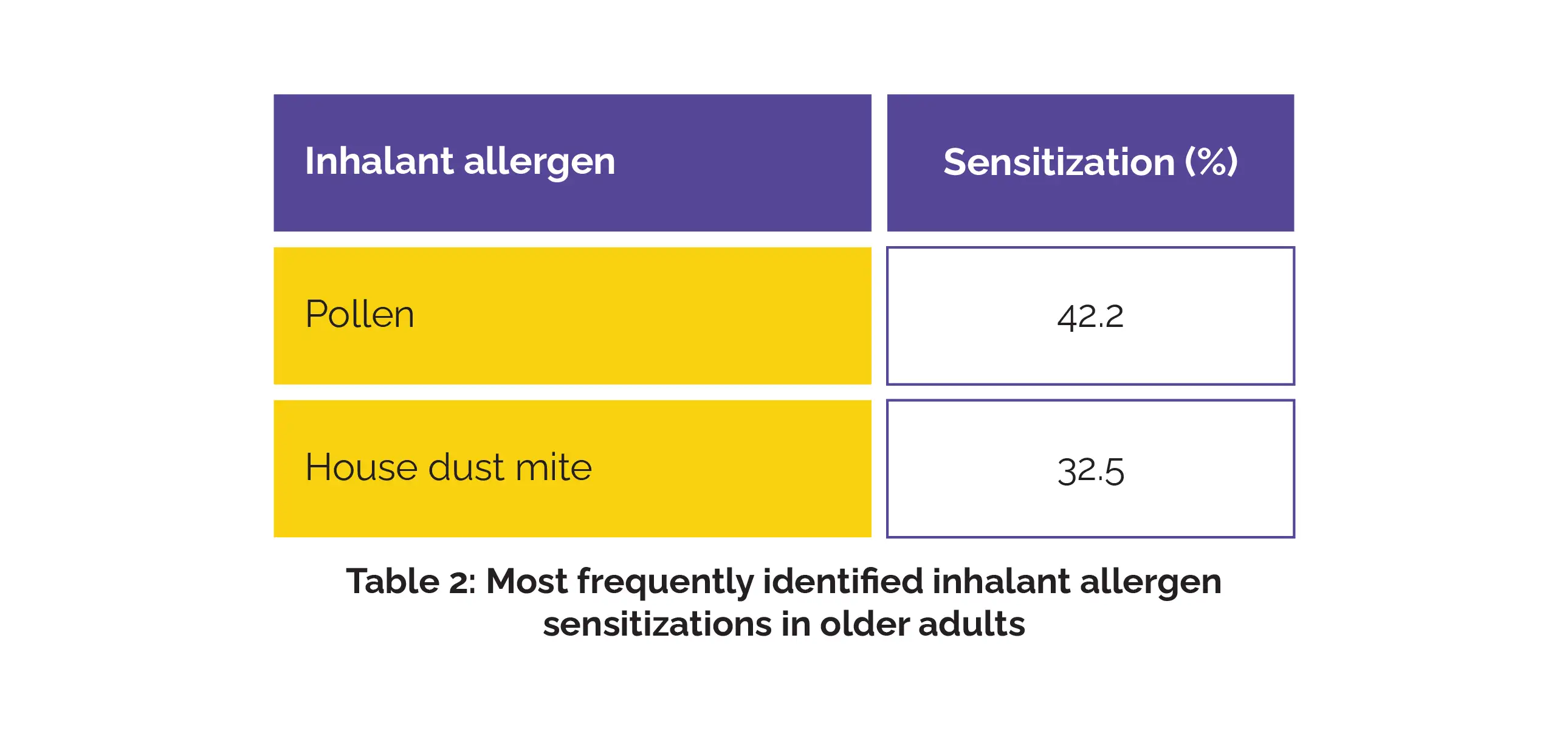
One of the study's notable results was the substantial contribution of non-allergic disease. Rhinitis was among the most common diagnoses, with 63.2% classified as non-allergic rhinitis. Non-allergic pruritus, chronic urticaria, and drug allergy were also frequent diagnoses. Among inhalant allergens, pollen sensitization was most common, followed by house dust mite sensitization (Table 2).
Women and men showed different patterns
The study also identified noticeable sex differences in selected allergic conditions. Women accounted for 68.6% of patients with chronic urticaria, whereas men represented 66.7% of patients with angiotensin-converting enzyme inhibitor-linked angioedema. These differences emphasize the heterogeneous nature of allergic presentations in the geriatric population.
Comorbidities were the rule, not the exception
A minimum of one comorbidity was present in 62.6% of the study population, with hypertension (39.4%) being the most common. Comorbidity burden was particularly high among those diagnosed with asthma and angioedema. Comorbid conditions were reported in 91.1% of patients with asthma, 83.7% with angioedema, and 55.8% with rhinitis. These associations were statistically significant.
The clinical message
The findings challenge the idea that allergy in older adults is simply a continuation of classic atopic disease. Instead, geriatric allergy encompasses a broad mix of allergic and non-allergic disorders, drug-related reactions, age-linked immunological alterations, and multimorbidity.
For clinicians, this means that examining an older patient with rhinitis, pruritus, urticaria, angioedema, asthma, or suspected drug allergy requires more than simply searching for an allergen. Medication history, comorbidities, clinical phenotype, and appropriate allergy testing all need to be considered.
Medicina
Allergy in the Elderly: A Broad Clinical Spectrum Beyond Atopy
Fikriye Kalkan et al.















Comments (0)