

Категории
Сменить пароль!
Сброс пароля!


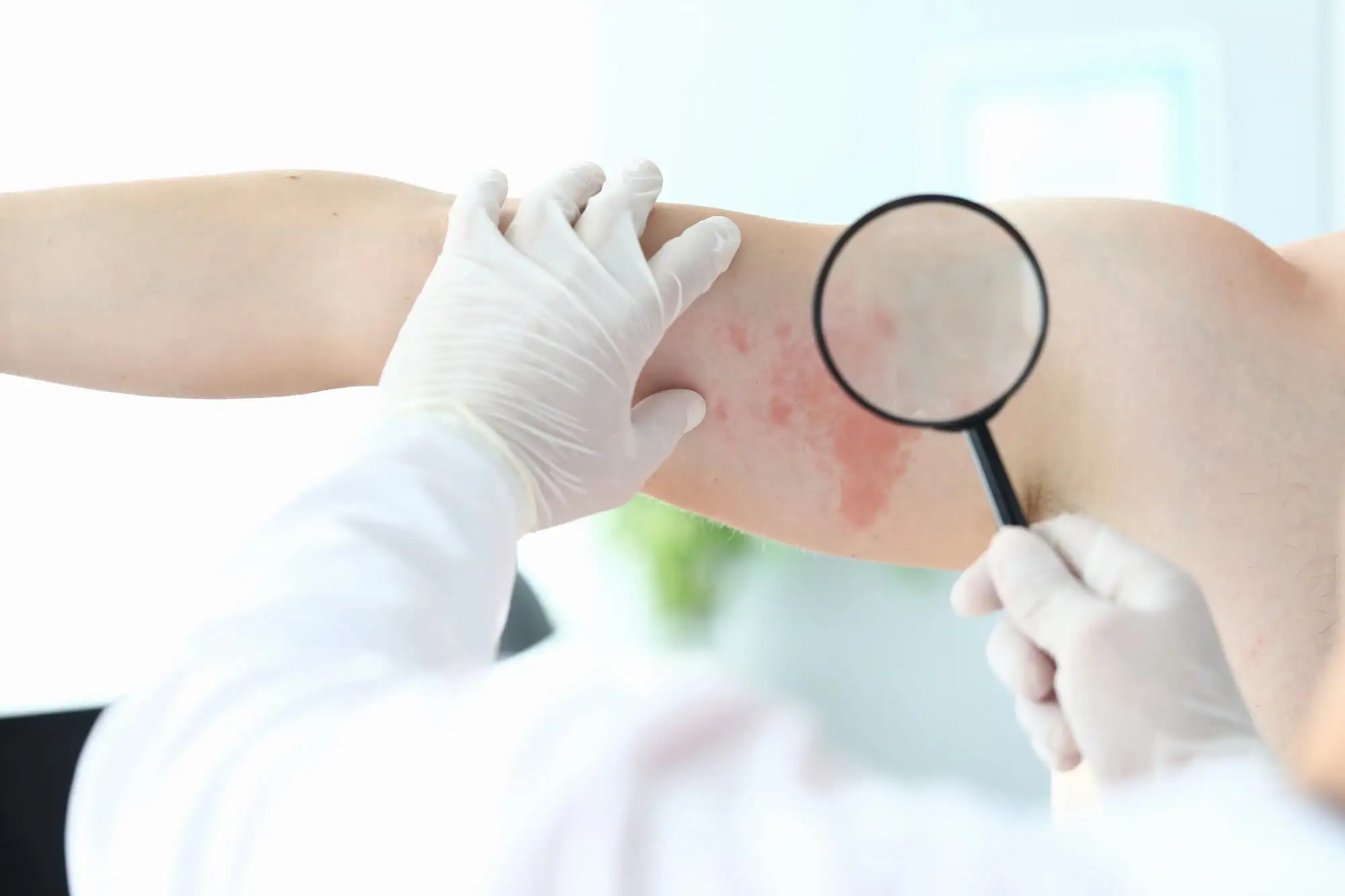
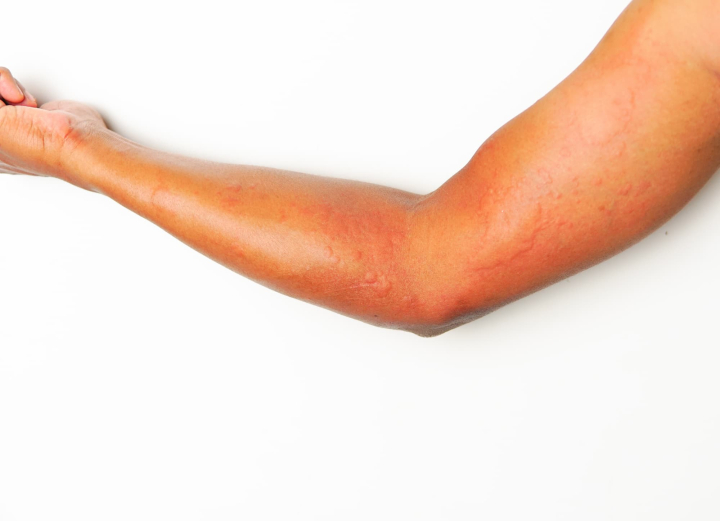
При хронической спонтанной крапивнице, недостаточно контролируемой H1-антигистаминными препаратами, дупилумаб эффективно уменьшает тяжесть зуда и активность крапивницы через 24 недели.
Рандомизированное клиническое исследование 3 фазы LIBERTY-CSU CUPID-C подтверждает, что дупилумаб снижает активность заболевания у пациентов с хронической спонтанной крапивницей (ХСК), у которых сохраняются симптомы, несмотря на лечение H1-антигистаминными препаратами (H1-АГ).
ХСК характеризуется рецидивирующими зудящими волдырями и/или ангиоотёком, и значительная доля пациентов продолжает испытывать симптомы, несмотря на стандартную антигистаминную терапию. Дупилумаб, блокирующий сигнальный путь интерлейкина-4 (ИЛ-4)/интерлейкина-13 (ИЛ-13), оценивался в этом исследовании как вариант лечения для пациентов, не получавших анти-IgE препараты.
Дизайн исследования и участники
Исследование LIBERTY-CSU CUPID-C воспроизвело дизайн более раннего исследования CUPID-A и включало пациентов из 10 стран Азии, Европы, Северной Америки и Южной Америки. Анализ включал 151 пациента в возрасте 6–80 лет, средний возраст 44,7 ± 16,9 года; 106 (70,2%) были женского пола. Важно отметить:
Дупилумаб значительно уменьшает зуд и крапивницу
На 24-й неделе было установлено, что дупилумаб вызывает заметные улучшения как индекса тяжести зуда за 7 дней (ISS7), так и индекса UAS7 по сравнению с плацебо (таблица 1).
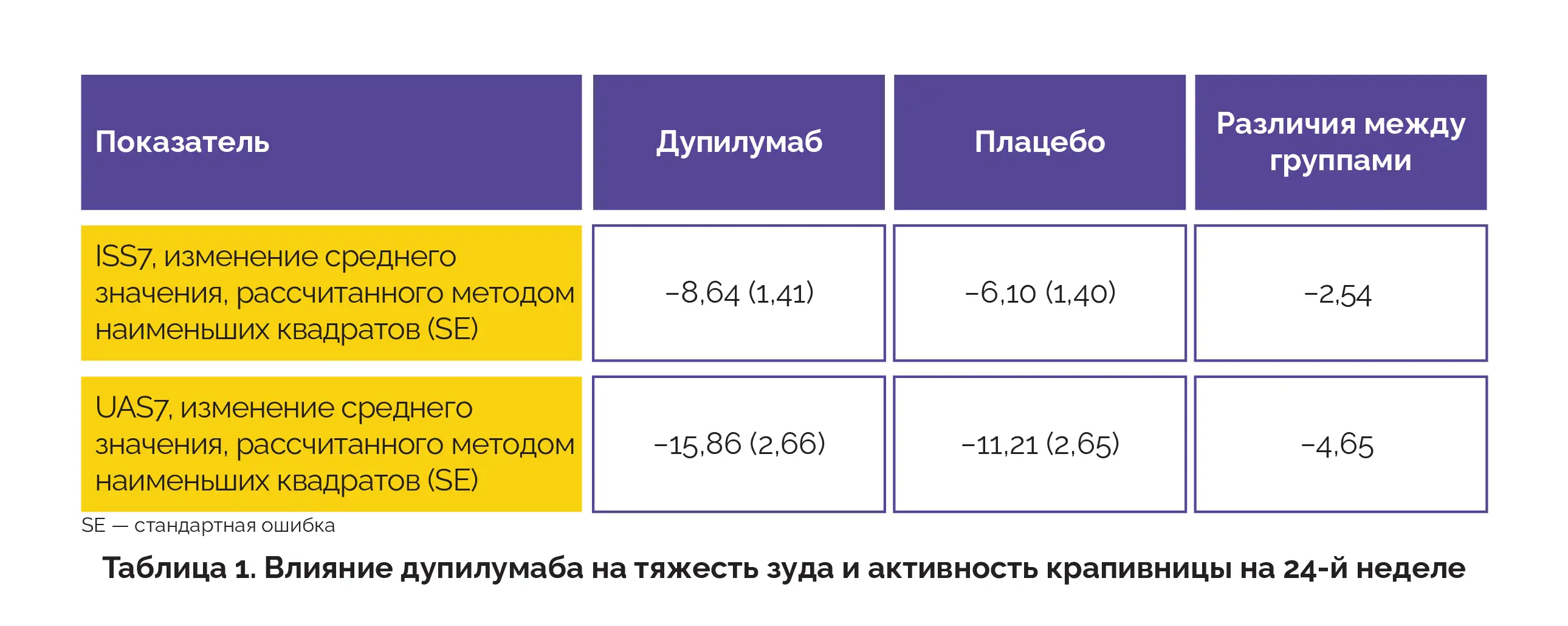
Результаты указывают на то, что дупилумаб обеспечивает снижение тяжести зуда, а также волдырей/общей активности крапивницы по сравнению с плацебо у пациентов с недостаточным контролем при применении H1-АГ.
Объединенные результаты исследований CUPID-A и CUPID-C
Объединённый анализ 289 участников из исследований CUPID-A и CUPID-C дополнительно продемонстрировал более выраженные улучшения по шкалам UAS7 и ISS7 при применении дупилумаба, что укрепляет доказательства его эффективности при ХСК у пациентов, не получавших анти-IgE-препараты. Результаты оценки безопасности в целом соответствовали установленному профилю безопасности дупилумаба. В объединенном анализе нежелательные явления, возникшие в ходе лечения, были отмечены у 77 пациентов (53,5%), получавших дупилумаб, по сравнению с 81 пациентом (55,9%), получавшим плацебо.
Клиническое значение
Исследование CUPID-C воспроизводит и подтверждает результаты исследования CUPID-A, показывая, что дупилумаб успешно уменьшает зуд, волдыри и общую активность крапивницы у пациентов с ХСК, не получавших анти-IgE-препараты, у которых заболевание остаётся неконтролируемым, несмотря на терапию H1-антигистаминными препаратами. Полученные результаты подтверждают роль ингибирования пути ИЛ-4/ИЛ-13 в качестве терапевтической стратегии при ХСК.
JAMA Dermatology
Dupilumab in Patients With Chronic Spontaneous Urticaria: Phase 3 LIBERTY-CSU CUPID Randomized Clinical Trials
Thomas B Casale и соавт.









Комментарии (0)