

Categories
Change Password!
Reset Password!


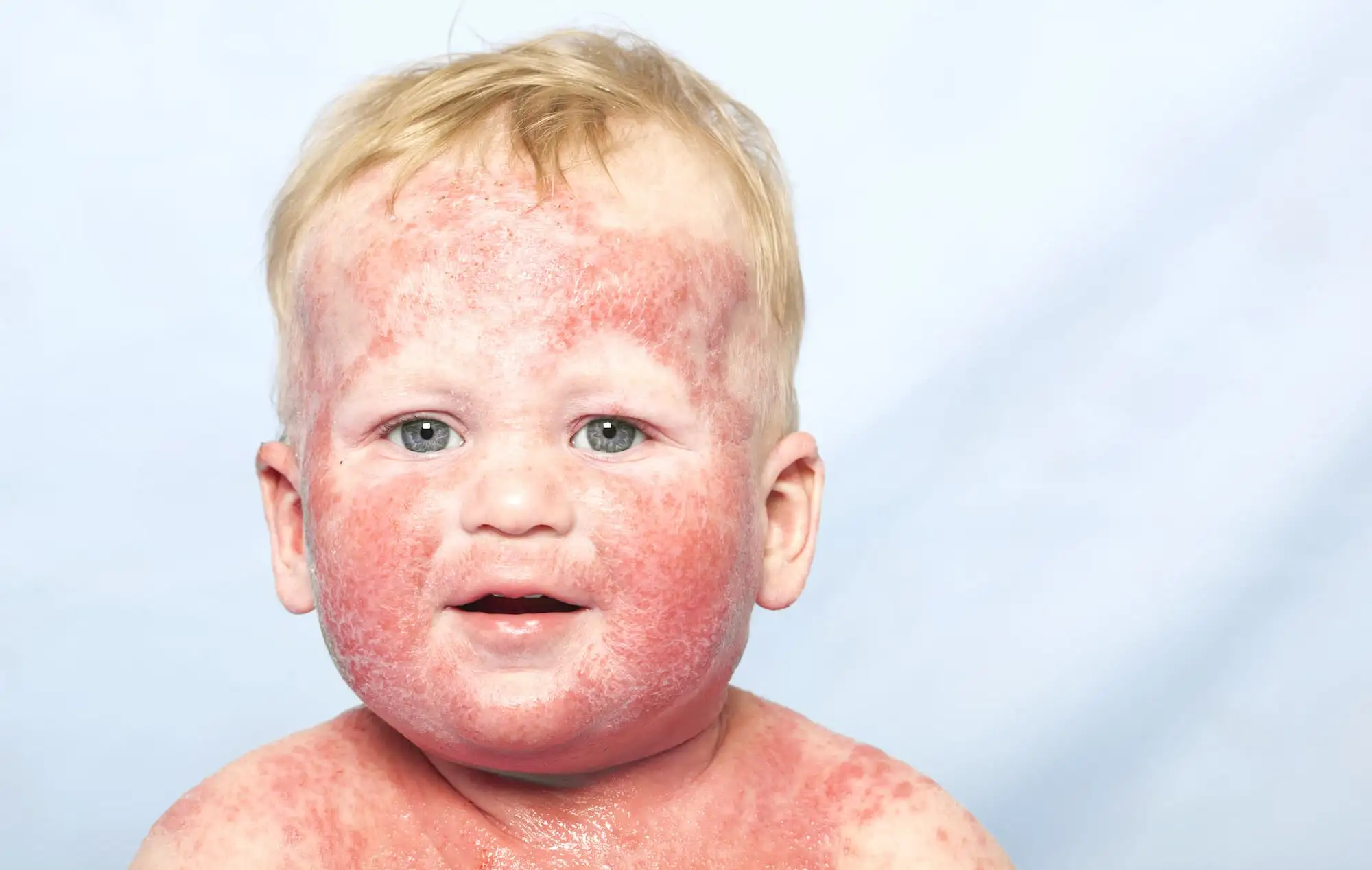
Exclusive breastfeeding provides a superior immunological defense for premature infants, markedly reducing allergic symptoms and stabilizing inflammatory triggers relative to formula feeding.
Premature infants face a unique challenge: their immune system and gastrointestinal tract are still developing at birth, potentially increasing their vulnerability to allergic diseases. New findings suggest that what these infants are fed may influence their early allergic profile. Researchers included 120 infants and divided them into two groups, as shown in Table 1:
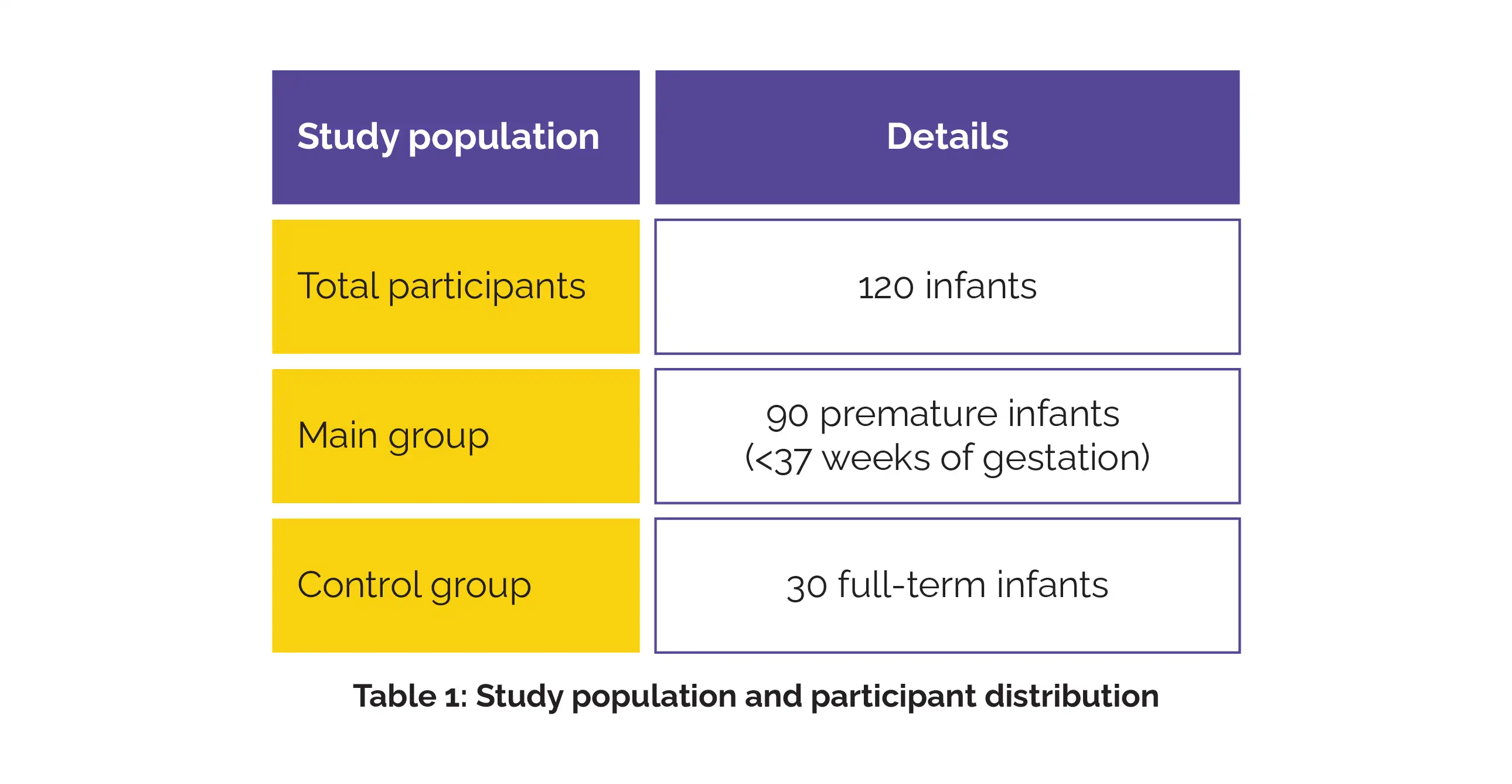
The premature participants were categorized into three distinct subgroups: those receiving exclusive breastfeeding, formula feeding, or mixed feeding. Researchers meticulously assessed clinical manifestations of allergy, such as atopic dermatitis, gastrointestinal symptoms, recurrent skin rashes, and signs of food intolerance.
The findings revealed a clear correlation between feeding types and health outcomes. Allergic manifestations were found to be more frequent among premature infants who were formula-fed than those who were breastfed. Furthermore, laboratory parameters supported these clinical observations; infants receiving artificial feeding more commonly exhibited elevated peripheral blood eosinophil counts and increased total serum immunoglobulin E (IgE) levels.
In contrast, breastfed premature infants demonstrated a significantly lower frequency of allergic symptoms and maintained a milder clinical course. These results confirmed the essential protective role of breastfeeding in establishing immune tolerance and healthy intestinal microbiota. The study concluded that individualized nutritional support remained a priority for this high-risk group to mitigate inflammatory responses and promote long-term health.
BG Pulse Journal
CLINICAL AND IMMUNOLOGICAL FEATURES OF ALLERGIC DISEASES IN PREMATURE INFANTS DEPENDING ON THE TYPE OF FEEDING
Murtazayeva Zilola Fakhriddinovna et al.















Comments (0)