

Categories
Change Password!
Reset Password!


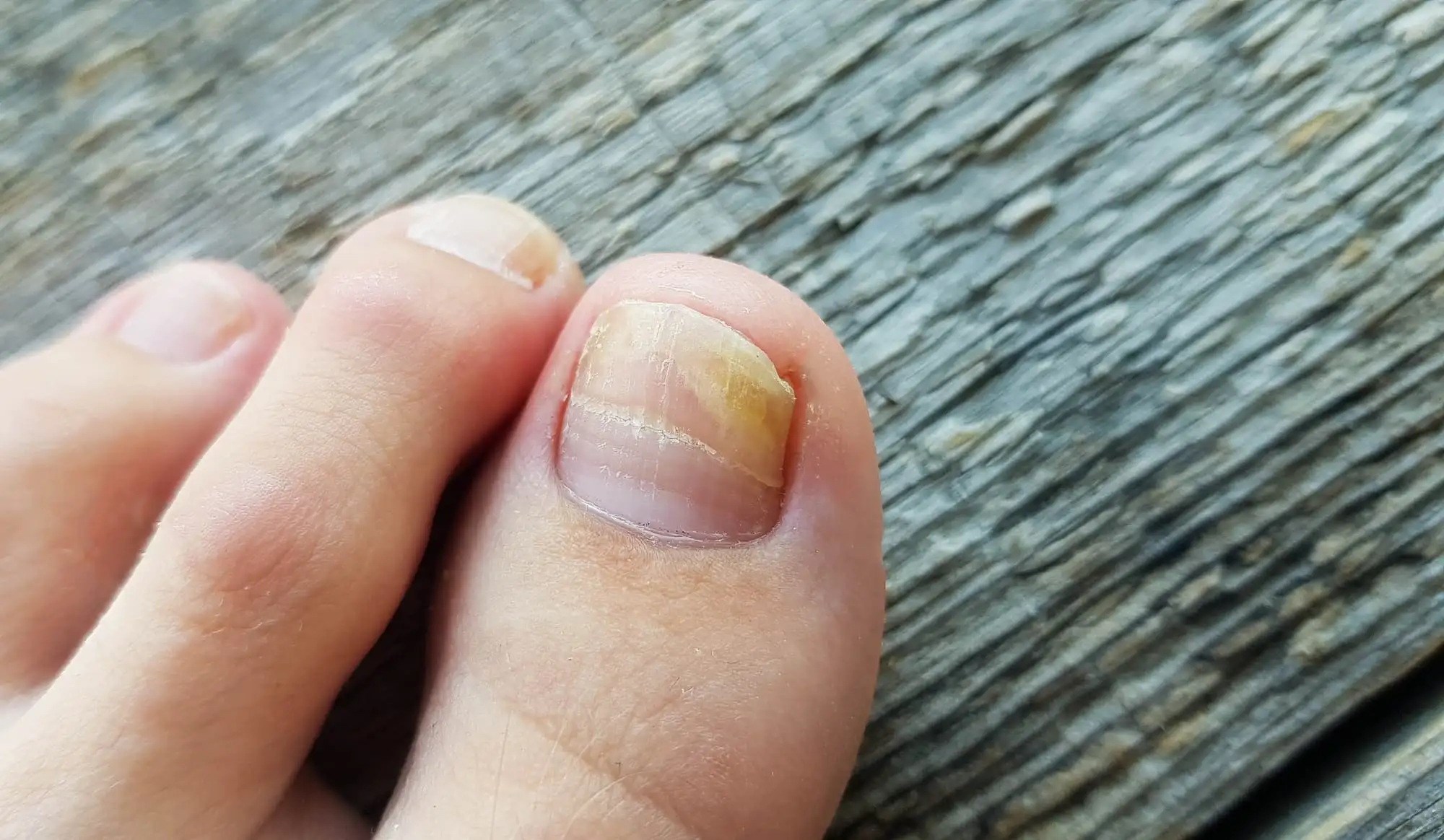
Topical antifungal therapy is commonly used to tackle onychomycosis (OM), a fungal infection of the nail.
During topical antifungal therapy for onychomycosis, great toenail involvement and increased nail thickness are associated with poorer response and lower complete-cure rates.
Topical antifungal therapy is commonly used to tackle onychomycosis (OM), a fungal infection of the nail. However, morphological features that may influence treatment response have not been well quantified, particularly at the individual-lesion level.
This study evaluated whether baseline nail characteristics, specifically nail thickness and involvement of the great toenail, are associated with treatment outcomes in patients receiving topical antifungal therapy.
Researchers retrospectively identified 66 patients with 80 OM lesions treated between 2017 and 2021 with either luliconazole 5% nail solution or efinaconazole 10% solution. Treatment response was assessed at the lesion level using generalized estimating equations (GEE), with lesions clustered according to patient identification to account for correlations between multiple lesions from the same patient. Repeated observations were analysed using an exchangeable working correlation structure with robust sandwich variance estimates.
Two outcomes were examined:
Sensitivity analyses were additionally performed via a linear mixed-effects model.
Great toenail involvement was consistently linked with poorer treatment outcomes. Lesions involving the great toenail showed a lower improvement rate (β = −0.461) and markedly reduced odds of complete cure (odds ratio [OR] = 0.07). Greater baseline nail thickness was also considerably linked with a lower likelihood of complete cure (OR = 0.17), although its association with improvement rate did not reach statistical significance (β = −0.089).
Compared with efinaconazole 10% solution, luliconazole 5% nail solution was related to a lower improvement rate (β = −0.310) and reduced odds of complete cure (OR = 0.07). Sensitivity analyses utilizing a linear mixed-effects model illustrated concordant directions of effect, supporting the primary findings.
Great toenail involvement served as a valuable clinical predictor of poor response to topical antifungal therapy, whereas increased baseline nail thickness acted as a primary physical barrier to complete cure. Although efinaconazole 10% solution demonstrated superior odds of complete cure compared to luliconazole 5% nail solution, non-randomized treatment allocation mandates cautious interpretation of drug-specific comparisons. Clinicians should consider lesion location and hyperkeratotic thickness during initial patient risk stratification to optimize therapy selection or consider combination regimens.
The Journal of Dermatology
Baseline Nail Thickness and Great Toenail Involvement Are Associated With Poor Response to Topical Antifungal Therapy for Onychomycosis: A Lesion-Level Generalized Estimating Equations Analysis
Tsuyoshi Inoue et al.













Comments (0)