

Категории
Сменить пароль!
Сброс пароля!


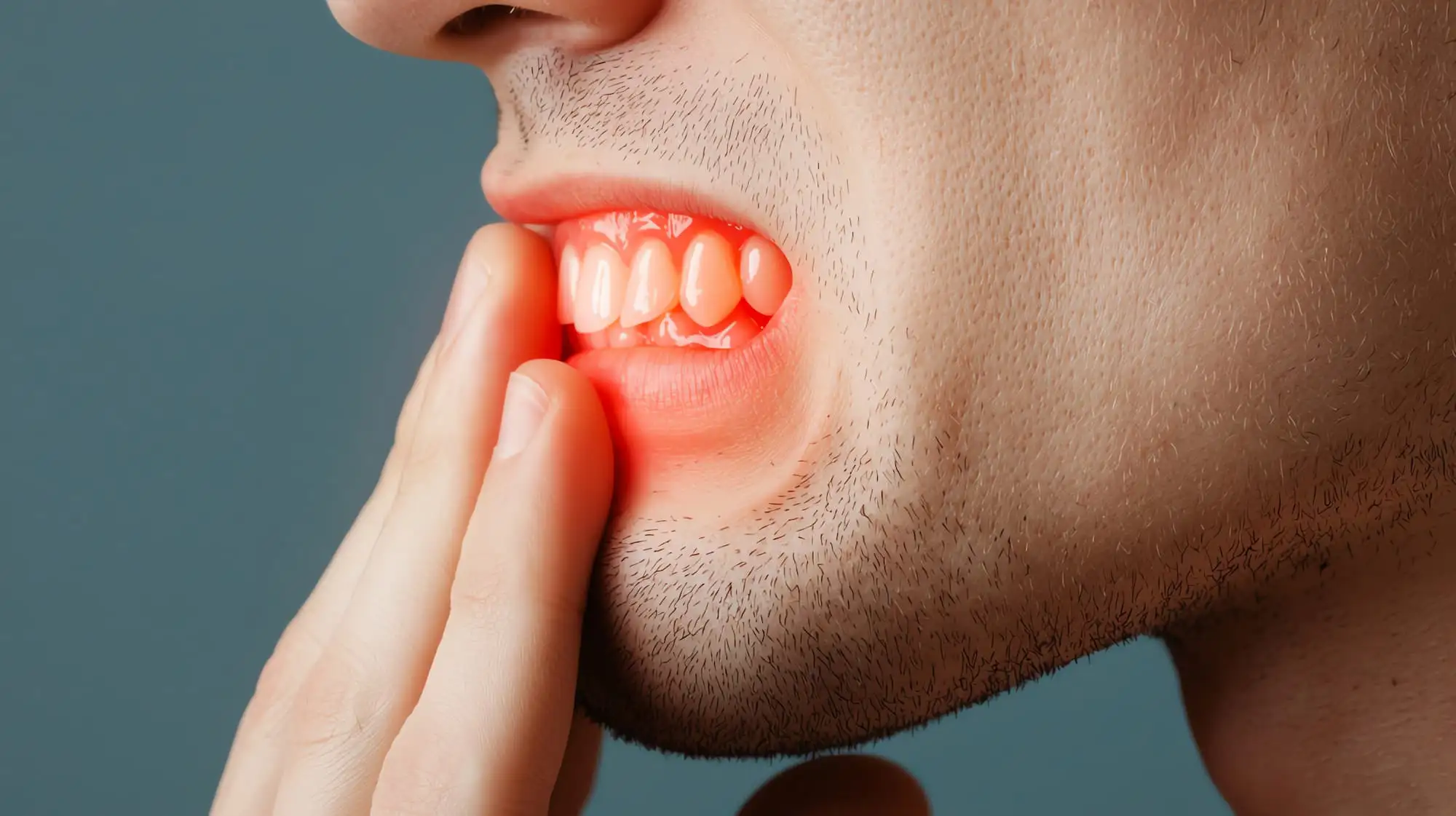
Бруксизм тесно связан с повышенной тревожностью, неадаптивными копинг-стратегиями и замедленным когнитивным торможением, что подчеркивает его роль как сложного биопсихосоциального расстройства.
Недавнее обсервационное исследование выявило поразительную связь между бруксизмом — широко известным как скрежетание зубами — и повышенным уровнем тревожности, замедленным когнитивным торможением и неадаптивными копинг-стратегиями среди студентов медицинских специальностей.
Бруксизм все чаще рассматривается как многофакторное биопсихосоциальное состояние, обусловленное взаимодействием мышечной активности, психологического стресса, тревоги и нарушенных механизмов копинга. Новые исследования продолжают показывать, что эмоциональная регуляция, когнитивный контроль и поведенческие паттерны обработки стресса играют ключевую роль в формировании как возникновения, так и тяжести бруксизма у молодых людей. В этом контексте целью исследования было изучить, как уровень тревожности, стратегии копинга и показатели исполнительных функций связаны с бруксизмом.
Исследователи провели одномоментное исследование с участием 111 студентов медицинских специальностей, средний возраст которых составил 22,29 года. Участники прошли стандартизированные клинические обследования в соответствии с диагностическими критериями дисфункции височно-нижнечелюстного сустава (DC/TMD) для выявления бруксизма и сопутствующих мышечно-скелетных симптомов. Каждый студент также прошёл валидизированные психологические тесты: оценку по шкале генерализованного тревожного расстройства из 7 пунктов (GAD-7) для измерения уровня тревожности, опросник COPE для оценки копинг-стратегий и тест Струпа из 105 заданий для оценки исполнительных функций, когнитивного торможения и избирательного внимания.
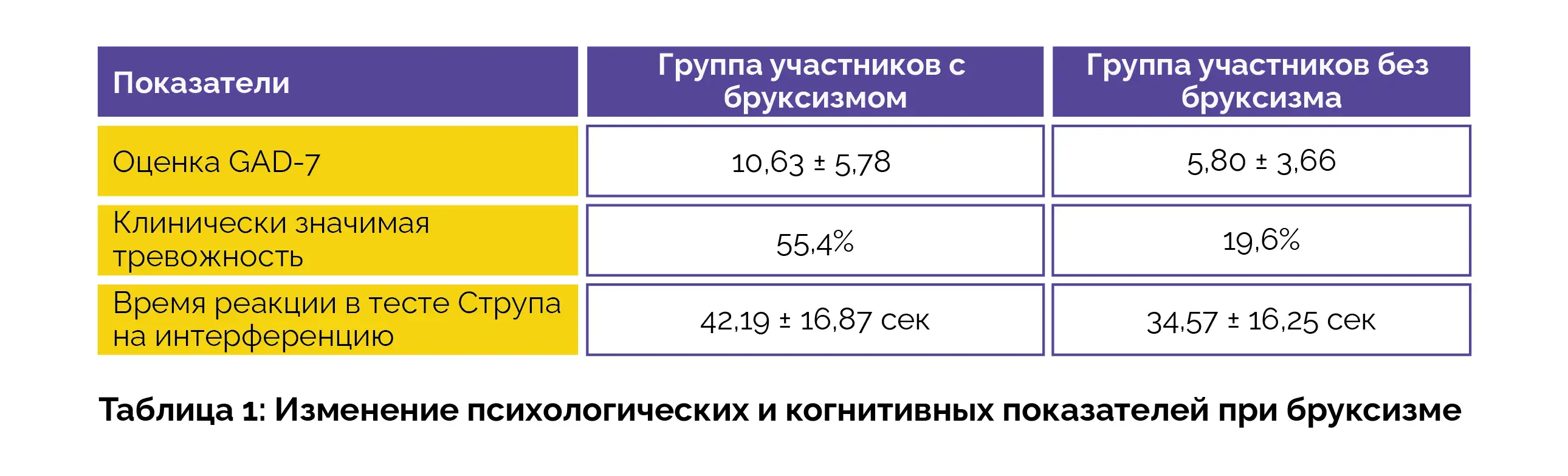
Анализ показал, что бруксизм наблюдался у 63,96% студентов (71 из 111). У студентов с бруксизмом наблюдались значительно более высокие баллы по шкале GAD-7, а клинически значимые проявления тревожности встречались почти в 3 раза чаще, чем у их сверстников без бруксизма. Участники с бруксизмом демонстрировали более медленное время реакции в тесте Струпа на интерференцию, что указывает на снижение скорости тормозного контроля, хотя точность выполнения задания оставалась сопоставимой (Таблица 1).
Анализ опросника COPE показал смещение в сторону эмоционально-сфокусированного и избегающего копинга по мере усиления мышечной боли, что указывает на дезадаптивные поведенческие реакции, связанные с бруксизмом. Данное исследование подчеркивает, что бруксизм представляет собой не просто стоматологическую проблему — он тесно связан с психологическим стрессом и индивидуальными механизмами копинга.
Исследователи выступают за включение рутинных психологических скрининговых тестов, таких как GAD-7 и COPE, в практику стоматологических и медицинских учреждений. Раннее выявление лиц из группы риска позволяет своевременно направить их на комплексное лечение, сочетающее стоматологическую помощь с психологическими вмешательствами, что потенциально может предотвратить развитие хронической боли и долгосрочных проблем.
Journal of Clinical Medicine
Bruxism as a Biopsychosocial Disorder: An Interdisciplinary Cross-Sectional Study
Karolina Walczyńska-Dragon и соавт.














Комментарии (0)