

Categories
Change Password!
Reset Password!


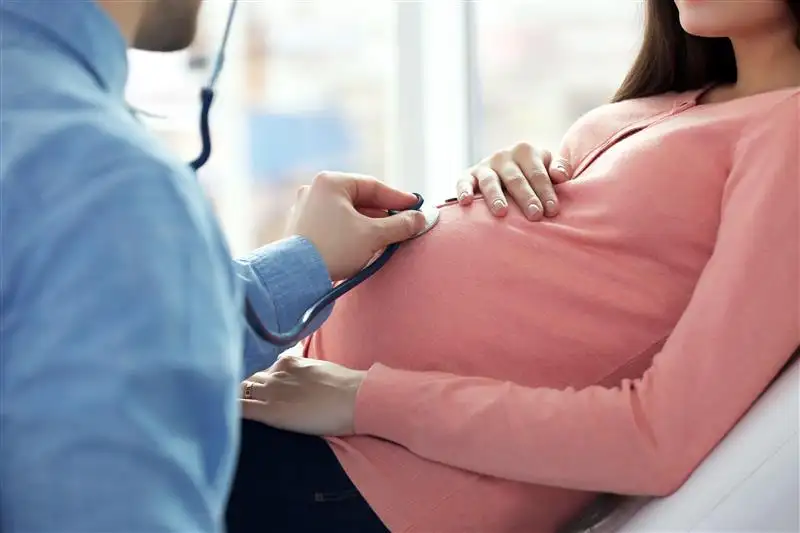
Self-operated fetal heart rate telemonitoring delivers clinically interpretable recordings in over 90% of cases with acceptable usability and high patient satisfaction across both low- and high-risk pregnancies.
A new prospective cohort study suggests that self-administered fetal heart rate (FHR) telemonitoring is a practical and reliable option for both low-risk and high-risk pregnancies, reinforcing the growing role of digital health and hospital-at-home models in obstetric care.
The study evaluated user experience and the feasibility of a wireless FHR monitor among pregnant women between 24 and 37 weeks of gestation. Overall, 60 women were enrolled, evenly segregated between low-risk pregnancies (uncomplicated singleton gestations) and high-risk pregnancies requiring daily fetal surveillance, including conditions such as fetal growth restriction, antenatal hemorrhage, preterm pre-labor rupture of membranes, and pre-eclampsia.
Volunteers used the telemonitoring device over a 14-day period and were instructed to carry out 20-minute FHR recordings, which were reviewed in real time by a midwife or physician. User experience, the primary outcome, was assessed via the system usability scale (SUS) and a dedicated telemonitoring survey. The system attained a mean SUS score of 70.7 (range 52.5–95), corresponding to a grade C, which reflects acceptable usability.
Most women reported overall satisfaction with the device and expressed confidence in their capability to carry out recordings independently. However, challenges like prolonged search time to locate the fetal heartbeat and intermittent signal loss were frequently cited, sometimes leading to frustration or insecurity during use. Feasibility, the secondary outcome, was assessed through functionality, signal quality, and clinical interpretability of the recordings. All subjects successfully completed recordings of at least 20 minutes.
In the low-risk group, 173 home-recorded traces were collected, with a median duration of 21.8 minutes (range 2.2–43.6). In the high-risk group, 85 self-recorded traces were procured during hospital admission, with a median duration of 20.5 minutes (range 5.3–40.5). Signal quality was comparable between groups. The median signal loss ratio was 19.4% in low-risk pregnancies and 17.1% in high-risk pregnancies. Importantly, the vast majority of recordings were clinically interpretable. Clear identification of FHR baseline, variability, accelerations, and decelerations was possible in 95.1% of low-risk traces and 91.8% of high-risk traces.
Overall, the study confirms that wireless FHR telemonitoring is feasible, acceptable, and well-received by pregnant women across risk categories. By combining high patient satisfaction with strong clinical interpretability, self-administered fetal monitoring emerges as a promising tool for remote surveillance, potentially minimizing unnecessary hospital admissions and supporting safer, more patient-centered obstetric care.
European Journal of Obstetrics & Gynecology and Reproductive Biology
Patient perspectives on telemonitoring in low- and high-risk pregnancies: A feasibility study using a wireless fetal heart rate monitor
Shariva S. Kariman et al.















Comments (0)