

Categories
Change Password!
Reset Password!


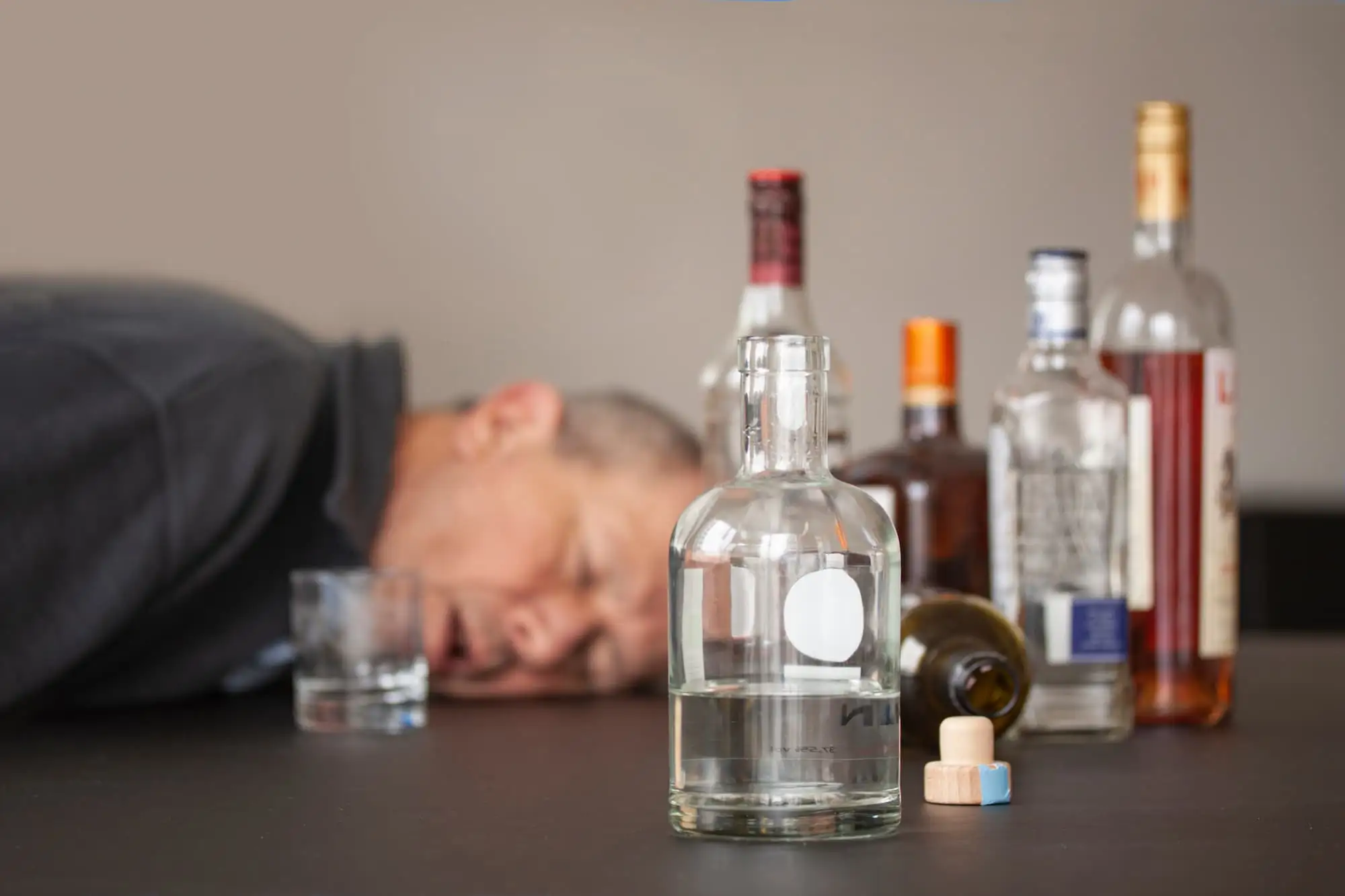
Integrating psychosocial care with pharmacotherapy—specifically oral naltrexone (50 mg daily) and acamprosate—offers strongest protection against relapse in alcohol use disorder.
A large-scale review of clinical trials has reinforced the role of two medications—oral naltrexone and acamprosate—as the most effective first-line therapies for alcohol use disorder (AUD).
In this study, evidence was analyzed from 118 randomized clinical trials (RCTs) involving 20,976 volunteers. The review covered studies published between 2012 and 2022, with updated data collected through August 2023 from databases including PubMed, the Cochrane Library, PsycINFO, CINAHL, and EMBASE.
The target was to investigate the comparative effectiveness and safety of drug therapies for AUD, with alcohol consumption as the key outcome, and broader health measures—such as quality of life, injuries, accidents, and mortality—as secondary outcomes.
As per the findings of this systematic review and meta-analysis:
Both medications were generally well-tolerated but linked with some gastrointestinal side effects:
When paired with psychosocial interventions, the evidence strongly supports oral naltrexone (50 mg daily) and acamprosate as the most effective pharmacologic options for AUD. Researchers emphasize that their benefits outweigh the manageable risks of side effects, making them the best-supported choices for minimizing alcohol consumption and sustaining abstinence.
JAMA
Pharmacotherapy for Alcohol Use Disorder: A Systematic Review and Meta-Analysis
Melissa McPheeters et al.









Comments (0)