

Categories
Change Password!
Reset Password!


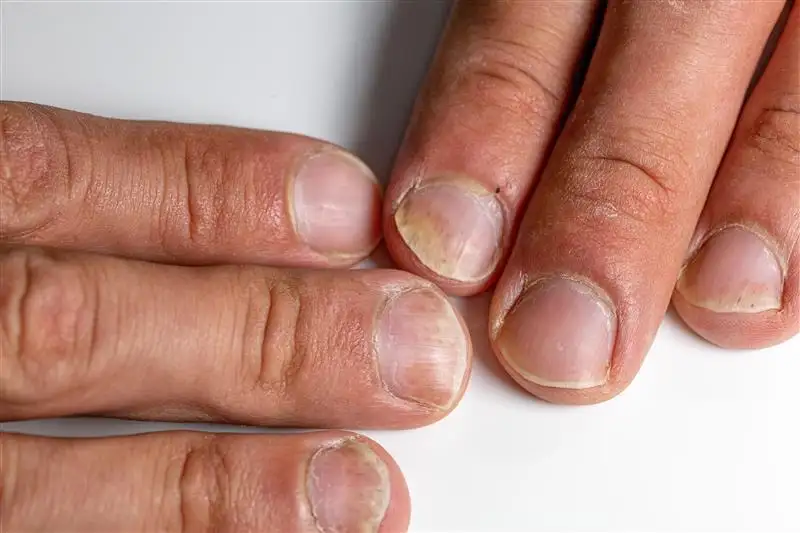
Fingernail onychomycosis (OM) presents distinct etiological and epidemiological characteristics compared with toenail fungal infections and is often complicated by microbial colonization and mixed fungal growth.
Fingernail OM is predominantly caused by yeast species, with strong microscopy–culture concordance and clinically relevant, species-specific antifungal resistance patterns.
Fingernail onychomycosis (OM) presents distinct etiological and epidemiological characteristics compared with toenail fungal infections and is often complicated by microbial colonization and mixed fungal growth. Accurate interpretation of microscopy and culture results is fundamental to prevent misdiagnosis and ensure appropriate antifungal therapy.
This research examined the diagnostic characteristics, spectrum of fungal pathogens, and antifungal susceptibility patterns of fingernail OM in a large real-world laboratory population. It also examined a structured five-tier classification model that integrates direct microscopy with semi-quantitative culture to boost diagnostic accuracy.
A retrospective analysis was conducted on lab data from 1,075 patients with clinically suspected fingernail OM. Nail and periungual specimens were examined via calcofluor white direct microscopy, semi-quantitative fungal culture, and species identification through matrix-assisted laser desorption/ionization time-of-flight (MALDI-TOF) mass spectrometry.
Cases were categorized as per the predefined criteria combining microscopic findings with colony quantity and purity. The study investigated age- and gender-specific trends, diagnostic concordance between microscopy and culture, fungal species distribution, and antifungal susceptibility patterns using European Committee on Antimicrobial Susceptibility Testing (EUCAST) broth microdilution testing for selected yeast isolates.
The overall rate of mycologically confirmed fingernail fungal infection was comparable between women and men, though age-related trends varied. Clear correlations were noted between microscopy and culture findings: the presence of hyphae was strongly related to dermatophytes, yeast cells predicted ascomycetous yeasts, and negative microscopy corresponded with absent fungal growth.
Yeast species predominated, led by Candida parapsilosis (30.9%) and Candida albicans (18.5%). Among dermatophytes, Trichophyton rubrum was the most frequently identified, while non-dermatophyte molds were rare. Periungual swab cultures illustrated species distributions closely aligned with nail specimens and showed high analytical agreement. EUCAST minimum inhibitory concentration (MIC) testing revealed clinically significant, species-specific antifungal susceptibility differences, including higher amorolfine MICs in Candida parapsilosis and reduced fluconazole susceptibility in Wickerhamomyces pararugosa.
Fingernail OM is predominantly yeast-driven, with consistent microscopy–culture correlations and distinct demographic patterns. The proposed five-tier diagnostic framework enhances differentiation between true infection and colonization and represents a practical tool for routine mycology laboratories, pending further clinical validation. Contemporary antifungal susceptibility data underscore important interspecies variability with direct therapeutic implications.
Journal of Clinical Medicine
Fingernail Onychomycosis: A Laboratory-Based Retrospective Study with Species Profiling and Antifungal Susceptibility of Yeasts
Paweł Krzyściak et al.















Comments (0)