

Categories
Change Password!
Reset Password!



Electroacupuncture improves patient-reported pain outcomes in diabetic distal symmetric polyneuropathy without adverse effects.
A novel study suggests that electroacupuncture (EA) may help alleviate pain in patients with diabetic distal symmetric polyneuropathy (DSPN), a debilitating complication of type 2 diabetes mellitus.
Investigators executed a randomized, double-blind, sham-controlled pilot trial in northern Mexico City. The study included 18 people with clinically and electrophysiologically confirmed axonal DSPN. Volunteers were randomly assigned to get either true EA or sham treatment. Therapy was given twice weekly for 8 weeks, totaling 16 sessions of 20 minutes each.
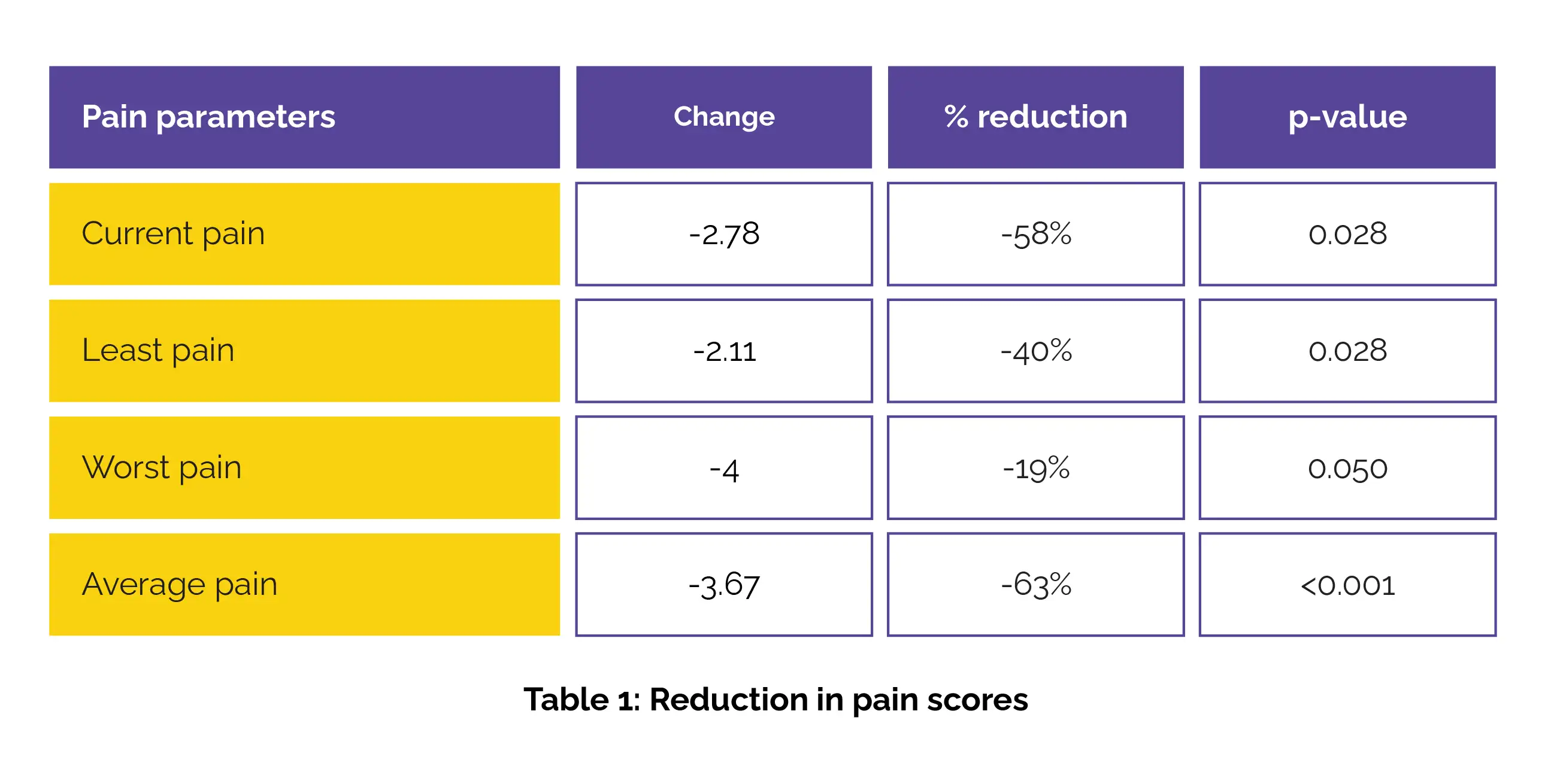
Pain outcomes were assessed at baseline and after treatment via the Douleur Neuropathique 4 (DN4) questionnaire and the numeric rating scale (NRS). After 16 sessions, DN-4 scores did not show changes in either group. However, the EA group showed remarkable reductions in pain intensity on the NRS, while the sham group showed no improvement (Table 1).
No adverse effects were reported during the study, highlighting a favorable safety profile. Given the small sample size, these findings are preliminary and should be confirmed in larger trials to establish potency and underlying mechanisms.
BMC Complementary Medicine and Therapies
Effect of electroacupuncture for pain relief in diabetic distal symmetric polyneuropathy: a pilot randomized clinical trial
María Fernanda Pérez Hernández et al.















Comments (0)