

Категории
Сменить пароль!
Сброс пароля!


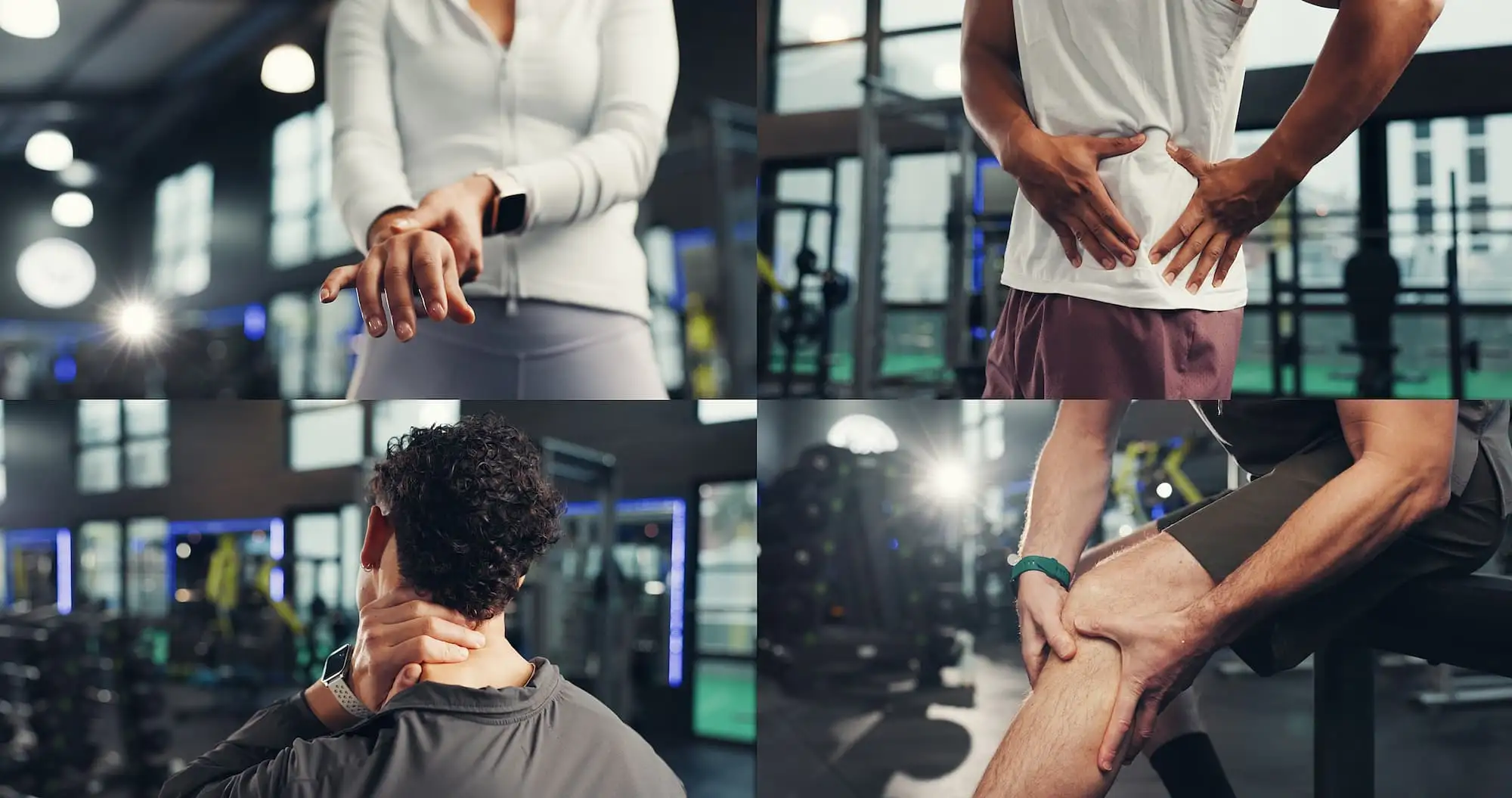
Восприятие боли и ответы на анальгетики находятся под влиянием как биологического пола, так и гендерных факторов. Полученные результаты ставят под сомнение давнюю практику применения универсального подхода к лечению боли и подтверждают необходимость более индивидуального понимания того, как пациенты переживают боль и реагируют на нее.
Подход к лечению боли часто базируется на стандартных дозах, но новый нарративный обзор свидетельствует о том, что биологический пол и социокультурный гендер могут оказывать существенное влияние на то, как обрабатывается боль и как действуют обезболивающие препараты.
В обзоре, подготовленном Доминикой Доминьчак и соавт. (Dominika Domińczak et al.), были рассмотрены последние экспериментальные и клинические данные о нейробиологии боли, нейроиммунологии, фармакокинетике и исходах лечения, выявив важные различия между мужчинами и женщинами.
От микроглии до Т-клеток: разные пути, одна и та же боль
Один из наиболее значимых результатов касается иммунных механизмов, лежащих в основе хронической боли. Микроглия, по-видимому, играет доминирующую роль в хронической боли у мужчин, тогда как Т-клетки имеют большее значение у женщин.
Эта специфичная для каждого пола нейроиммунная реакция может помочь объяснить, почему пациенты могут по-разному воспринимать болевые ощущения и реагировать на лечение боли — даже при, казалось бы, схожих болевых состояниях.
У женщин метаболизм лекарственных препаратов может отличаться
В ходе обзора также были выявлены многочисленные фармакокинетические особенности у женщин. По сравнению с мужчинами, у женщин, как правило, наблюдаются следующие особенности:
В совокупности эти различия могут изменять концентрации препаратов, клиренс, терапевтические эффекты и токсичность.
Обезболивающий эффект не может быть универсальным
Биологические различия могут иметь прямые клинические последствия. У женщин эффективность нестероидных противовоспалительных препаратов (НПВП) и μ-опиоидов может отличаться, а риск нежелательных лекарственных реакций может быть выше.
Интересно, что агонисты κ-опиоидных рецепторов могут обеспечивать более выраженный анальгетический эффект у женщин, что указывает на потенциальную ценность подходов к выбору анальгетиков с учетом половых различий.
Может ли персонализированное лечение боли устранить «гендерный разрыв в обезболивании»?
Авторы утверждают, что универсальная дозировка анальгетиков может привести к недостаточному обезболиванию у некоторых пациентов, особенно у женщин, или к повышению токсичности препарата.
Они выступают за то, чтобы пол регулярно учитывался как биологическая переменная в исследованиях боли, а также за более широкое применение Руководящих принципов по учёту пола и гендера в исследованиях (SAGER).
Вывод очевиден: будущее обезболивания, вероятно, не за принципом «одна доза для всех». Осознание того, как пол и гендер определяют болевые пути и ответы на препараты, могло бы способствовать переходу клинической помощи к более справедливой и истинно персонализированной медицине боли.
Journal of Education, Health and Sport
From Microglia to Stereotypes: The Impact of Sex and Gender on Pain Perception and Analgesic Response
Dominika Domińczak и соавт.














Комментарии (0)