

Категории
Сменить пароль!
Сброс пароля!


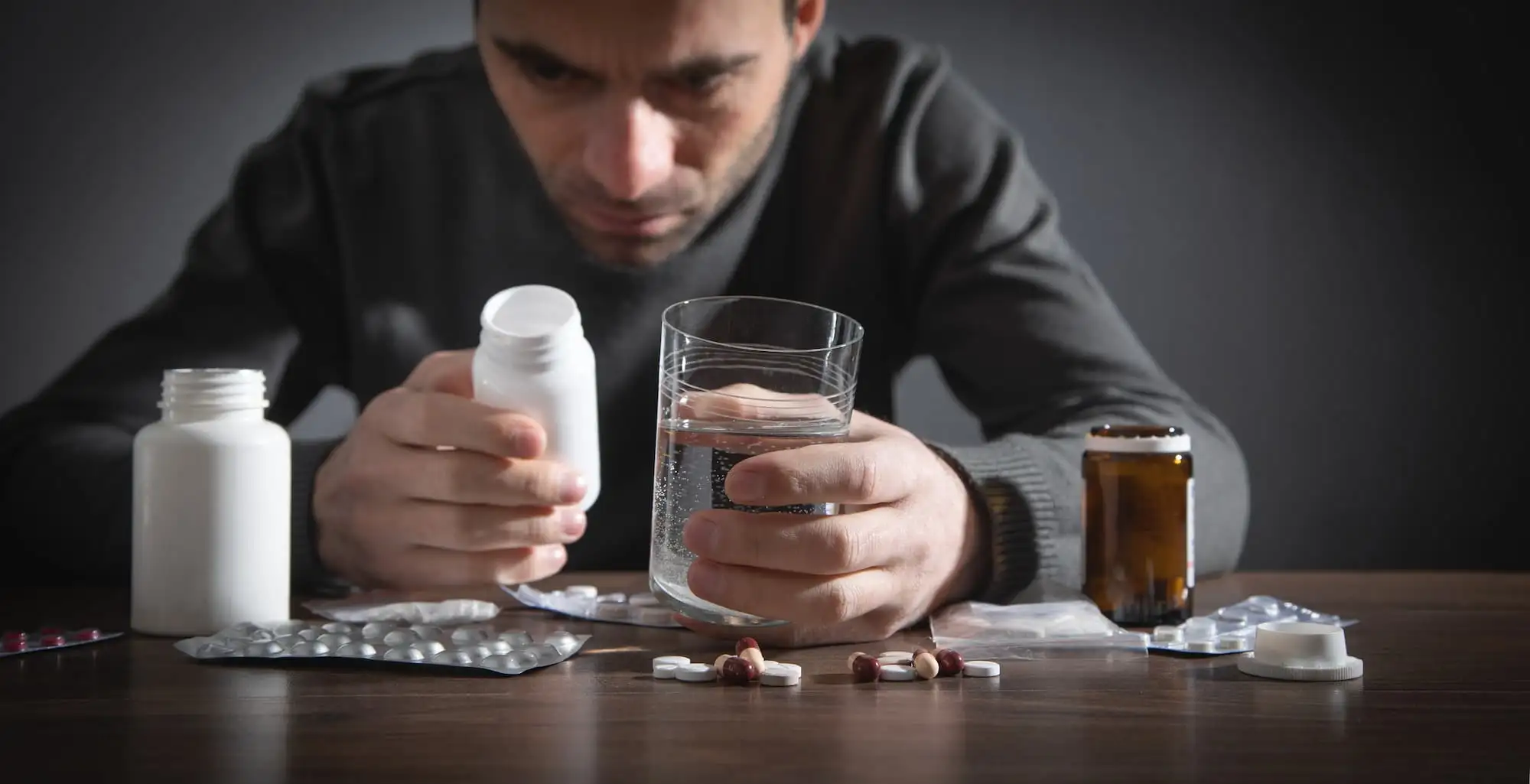
Несмотря на ограничения, установленные клиническими рекомендациями, назначение НПВП продолжает расти, что подчеркивает разрыв между нормативными предписаниями и реальной клинической практикой.
Новый анализ, проведенный в условиях реальной клинической практики, выявил значимые тенденции в назначении нестероидных противовоспалительных препаратов (НПВП) в Италии, что вызывает опасения по поводу соблюдения рекомендаций Итальянского агентства по лекарственным средствам (Agenzia italiana del farmaco, AIFA) (Примечание 66). Исследование, проведенное Валентиной Перроне и соавт. (Valentina Perrone et al.), оценило структуру использования НПВП в период с 2019 по 2022 год и выявило рост числа назначений, изменение наиболее часто используемых препаратов и потенциальное ненадлежащее использование за пределами утвержденных медицинских показаний.
Исследователи проанализировали данные, собранные из административных баз данных здравоохранения, охватывающих приблизительно 9,1 миллиона граждан Италии. В исследование были включены все лица, получившие хотя бы один рецепт на НПВП в период с 2019 по 2022 год. Оценивали демографические данные пациентов, частоту назначения НПВП с течением времени, наиболее часто назначаемые НПВП и потребление лекарственных препаратов, измеренное в установленных суточных дозах (УСД) на 1000 жителей в день.
Основные результаты
Использование НПВП неуклонно росло с 2019 по 2022 год.
Наиболее часто назначаемые НПВП представлены в Таблице 1:

Важно отметить, что, хотя большинство НПВП назначались в низких или средних дозах, ибупрофен (600 мг) использовался в высоких дозах в 80% назначений, что вызывает опасения по поводу безопасности.
Характеристики пациентов и схемы назначения лекарственных препаратов
Исследователи пришли к выводу, что НПВП могут назначаться чрезмерно или использоваться вне клинических показаний, одобренных AIFA (Примечание 66), особенно с учетом более молодого, чем ожидалось, возраста пациентов и ограниченной связи с хроническими ревматологическими или онкологическими заболеваниями. Полученные результаты подчеркивают необходимость:
Поскольку НПВП связаны с потенциальными нежелательными эффектами со стороны желудочно-кишечного тракта, почек и сердечно-сосудистой системы, особенно при высоких дозах и длительном применении, эксперты подчеркивают необходимость оптимизации стратегий обезболивания в Италии для обеспечения безопасности и экономической эффективности.
Advances in Therapy
An Up-to-Date Description of the Use of Non-steroidal Anti-inflammatory Drugs (NSAIDs) in Italy: Evidence from Real Clinical Practice
Valentina Perrone и соавт.










Комментарии (0)