

Categories
Change Password!
Reset Password!


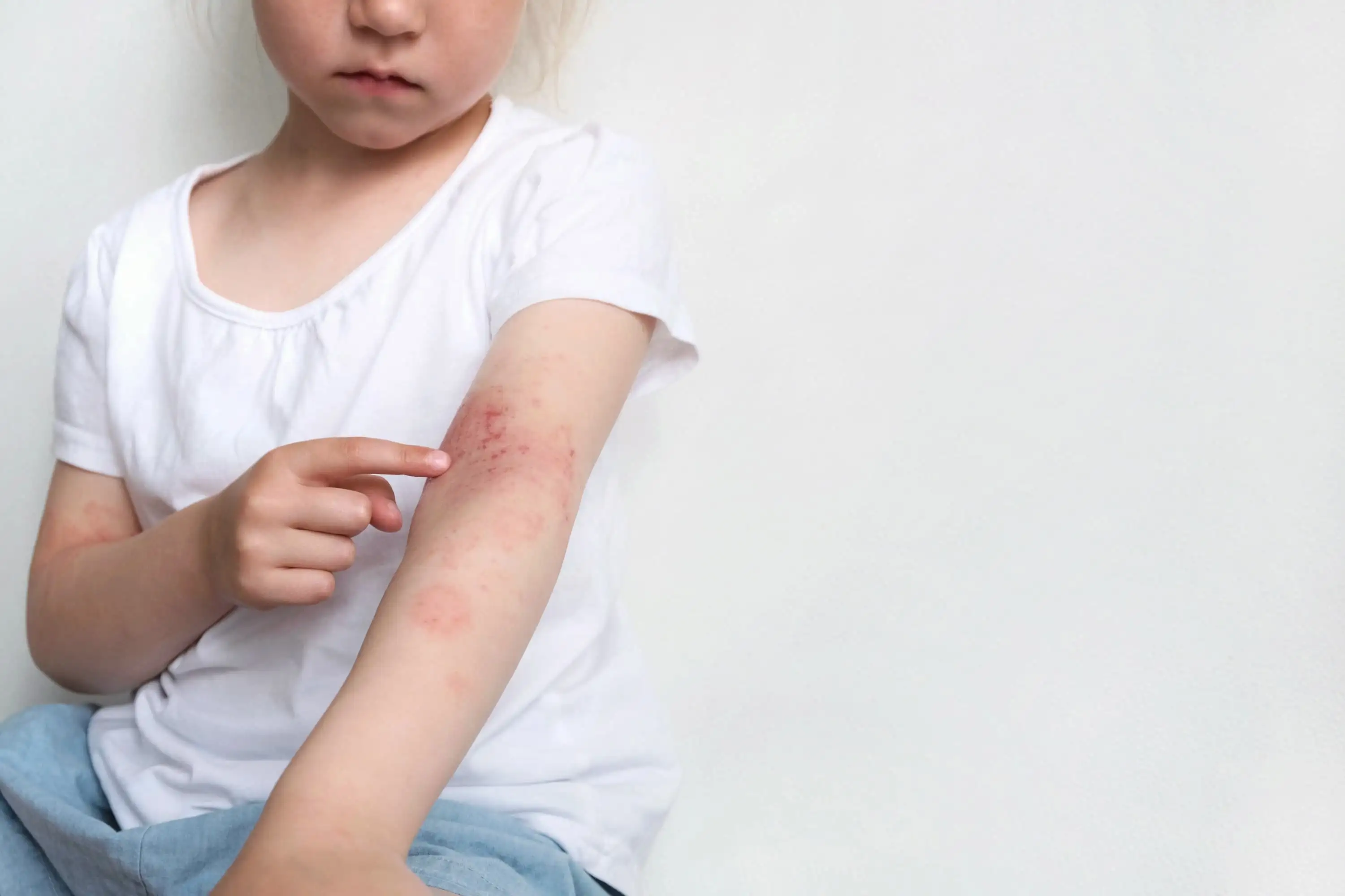
Family history, genetic susceptibility, and early-life environmental exposures collectively influence the development and progression of childhood allergic diseases, highlighting opportunities for early risk identification and personalized prevention.
Asthma, allergic rhinitis, atopic dermatitis, and food allergy are common childhood immune-mediated conditions. Their development involves interactions between genetic susceptibility, immunoglobulin E (IgE)-mediated responses, epithelial barrier dysfunction, immune regulation, and environmental influences.
Review examines hereditary and environmental factors
Researchers executed a narrative review of literature indexed in PubMed/MEDLINE, without publication date restrictions. The review encompassed original studies, systematic reviews, clinical guidelines, and consensus documents examining family history, genetic predisposition, epigenetic regulation, the microbiome, early-life diet, and environmental exposures.
Family history and early-life exposures influence susceptibility
Family history was identified as an important marker of atopic disease susceptibility, reflecting inherited genetic factors, epigenetic influences, and shared environmental exposures. The review also highlighted early-life factors that may influence immune maturation and allergic disease risk, including:
The findings emphasize that childhood atopic diseases are multifactorial, with no single factor established as their cause.
Atopic march and clinical implications
The review discussed the atopic march, in which allergic conditions could coexist or develop sequentially during childhood. However, this progression was not uniform in every child and was considered to reflect complex interactions between inherited susceptibility and environmental influences.
A better understanding of these relationships was suggested to inform research into early risk identification and individualized preventive and therapeutic strategies. As a narrative review, the analysis synthesized existing evidence but did not establish causality or quantify the independent contribution of individual risk factors.
Journal of Pediatrics & Neonatal Care
Family history of food allergy, asthma, allergic rhinitis, and atopic dermatitis: genetic and environmental factors – a narrative review
Jéssika Alves de Sousa Costa et al.












Comments (0)