

Categories
Change Password!
Reset Password!


Migraine, a common and disabling neurological disorder, is marked by recurrent moderate-to-severe headache attacks accompanied by symptoms like phonophobia, photophobia, nausea, and vomiting.
Lasmiditan provides clinically meaningful relief of acute migraine symptoms in real-world practice while maintaining a favorable safety profile. Most adverse events (AEs) are mild, transient central nervous system (CNS) effects, with no serious safety signals identified during post-marketing surveillance.
Migraine, a common and disabling neurological disorder, is marked by recurrent moderate-to-severe headache attacks accompanied by symptoms like phonophobia, photophobia, nausea, and vomiting. It represents a major public health burden worldwide and affects approximately 6–9% of the Japanese population, with a substantially higher prevalence among women and peak occurrence during the most productive years of adulthood.
Although acute migraine management commonly relies on triptans, acetaminophen, and nonsteroidal anti-inflammatory drugs (NSAIDs), a considerable proportion of patients experience inadequate symptom control. Furthermore, the vasoconstrictive properties of triptans restrict their use in individuals with cardiovascular comorbidities, highlighting the need for alternative treatment options. Lasmiditan, a selective 5-hydroxytryptamine 1F (5-HT1F) receptor agonist, offers a novel non-vasoconstrictive approach to acute migraine treatment by targeting trigeminal pain pathways and reducing CGRP release.
Clinical trials, including global Phase 3 studies and the Japanese MONONOFU trial, have demonstrated its efficacy and safety in acute migraine management. However, evidence from routine clinical practice remains limited, particularly among patient populations that are often underrepresented in controlled trials. Therefore, real-world post-marketing evaluation is essential to further characterize its safety and effectiveness in everyday clinical settings.
Objective
This study examined the real-world safety and effectiveness of lasmiditan in Japanese patients suffering from migraine as part of mandatory post-marketing pharmacovigilance in Japan.
(a) Study design
This was a multicenter, prospective, non-interventional, single-arm post-marketing surveillance study conducted at 53 medical institutions across Japan.
(b) Study duration
Patients were enrolled between June 2022 and September 2024 and followed for up to 12 weeks after the initial lasmiditan prescription. Baseline characteristics were assessed during the 3 months prior to the index date.
(c) Study population
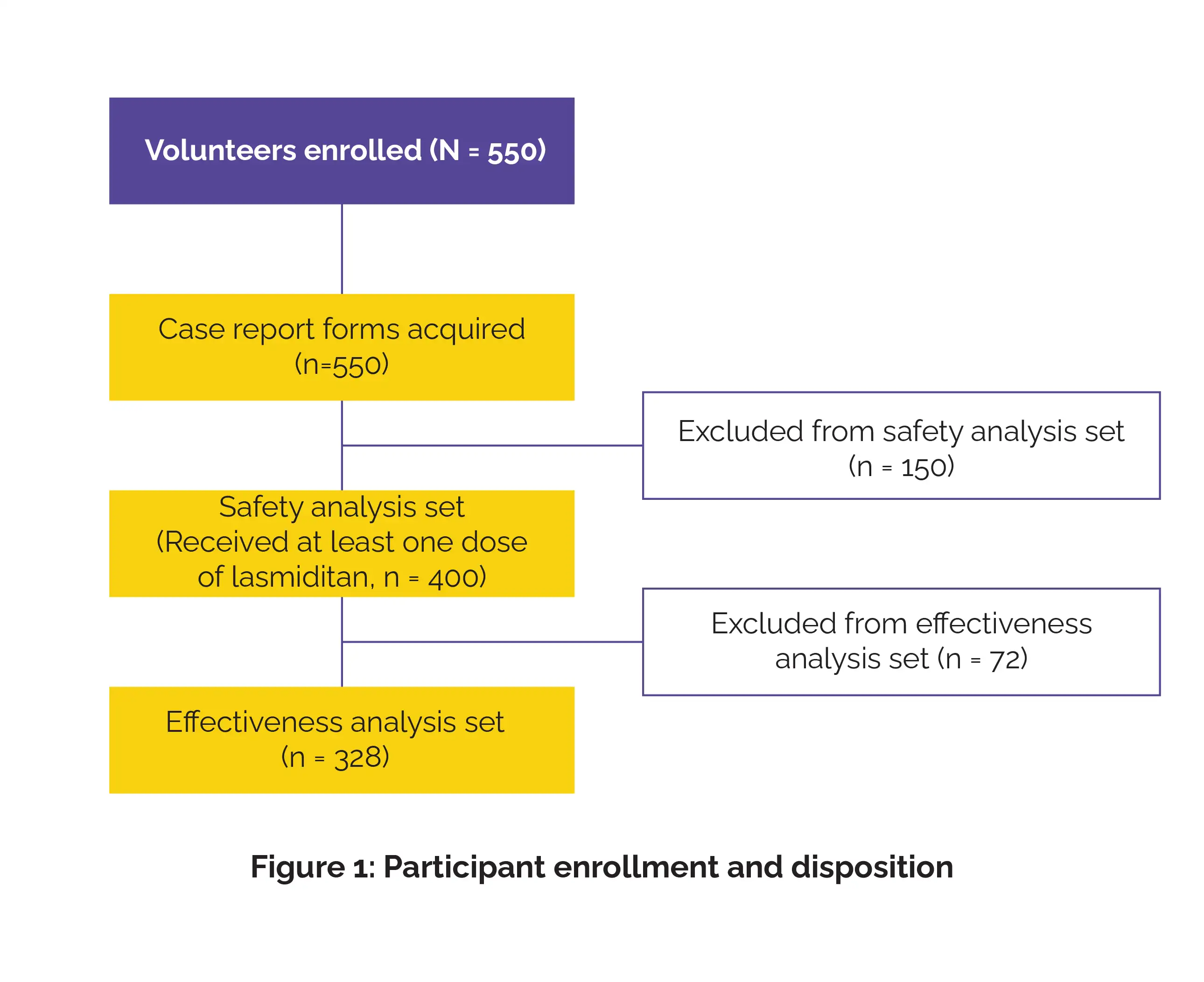
A total of 550 patients were enrolled. The safety analysis set included 400 patients. The effectiveness analysis set included 328 patients.
(d) Inclusion criteria
(e) Exclusion criteria
(f) Treatment
Patients received oral lasmiditan (50 mg, 100 mg, or 200 mg) for the acute treatment of migraine according to routine clinical practice and physician discretion.
(g) Outcome measures
1. Effectiveness outcomes
2. Safety outcomes
(h) Data collection
Clinical data were collected through electronic case report forms, patient-reported electronic diaries, and paper questionnaires. Information included demographic characteristics, migraine history, cardiovascular risk factors, comorbidities, prior treatments, treatment outcomes, and AEs. Physicians reviewed and validated patient-reported diary entries.
(i) Statistical analysis
All analyses were descriptive. Continuous variables were summarized using mean ± standard deviation or median (range), while categorical variables were reported as frequencies and percentages. Kaplan–Meier methods were used for time-to-event analyses, and categorical comparisons were evaluated using Fisher's exact test or chi-square test. Analyses were performed using SAS version 9.4, without imputation of the missing data.
(a) Patient disposition
A total of 550 patients were enrolled across 53 medical institutions in Japan. Of these, 400 patients who received at least one dose of lasmiditan comprised the safety analysis set, while 328 patients met the predefined criteria for inclusion in the effectiveness analysis. Overall, the safety population received 1,759 lasmiditan doses, whereas the effectiveness analysis included 1,345 treated migraine attacks (Figure 1).
(b) Patient demographics
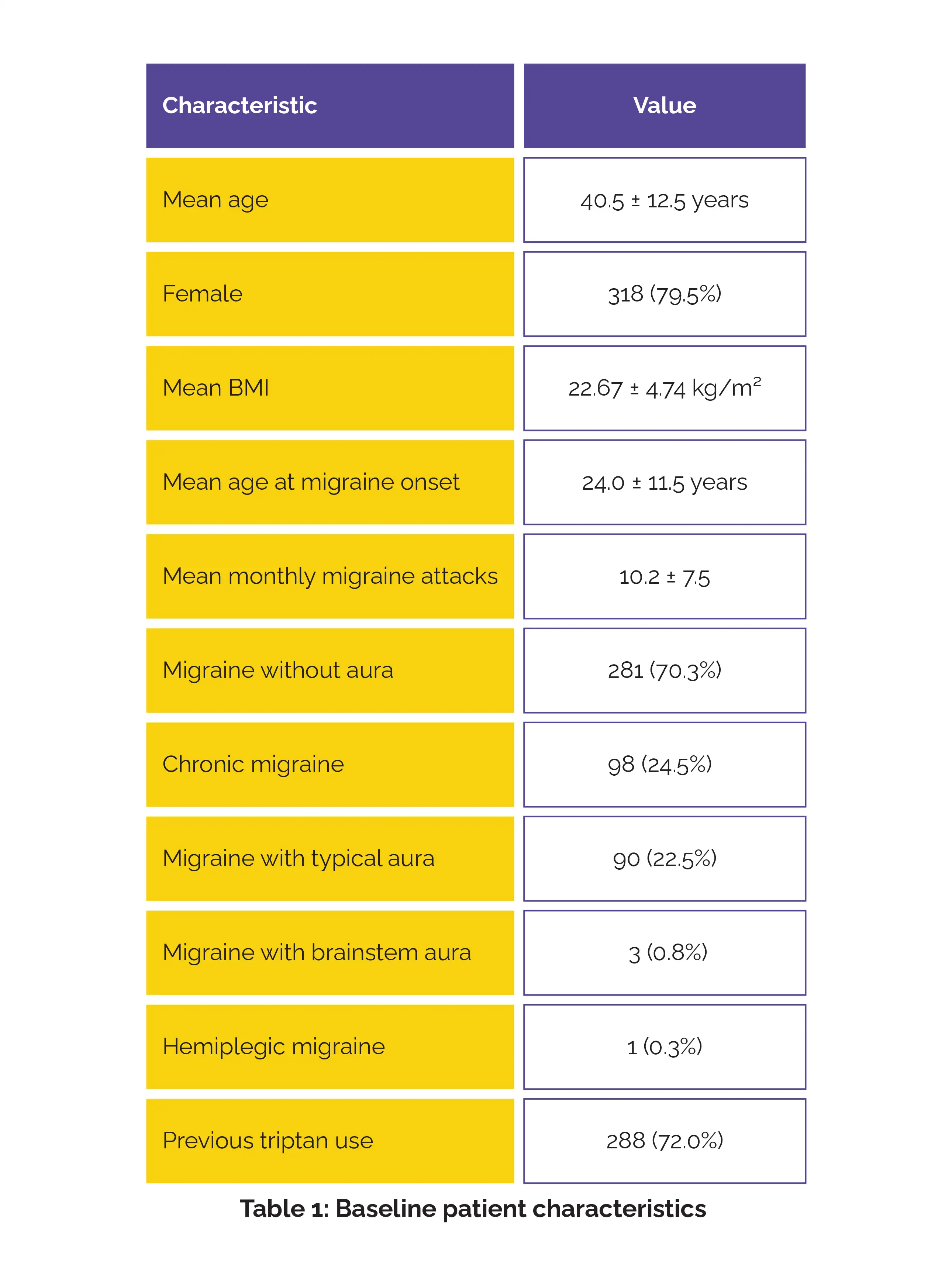
The baseline demographic and clinical characteristics reflected a predominantly female cohort with diverse migraine subtypes. The majority had migraine without aura and a history of previous triptan use (Table 1).
(c) Dosing patterns
(d) Safety outcomes
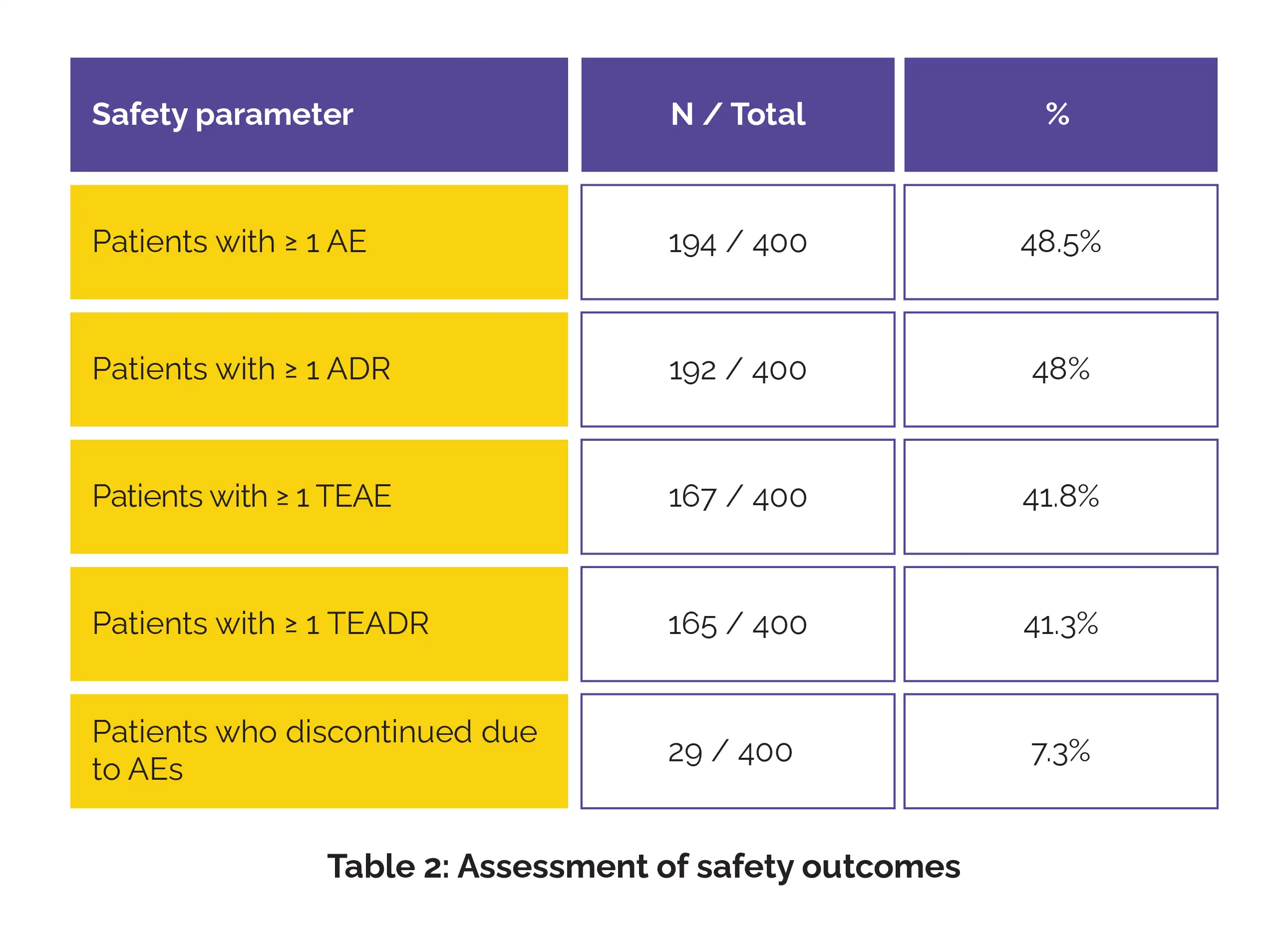
The safety analysis showed that AEs and ADRs were commonly reported, most of which occurred during treatment. Importantly, no serious AEs, serious TEAEs, or deaths were witnessed throughout the study (Table 2).
(e) Most frequent TEAEs
Among 1,662 evaluable lasmiditan doses, dizziness and somnolence were the most frequently reported TEAEs (Table 3).
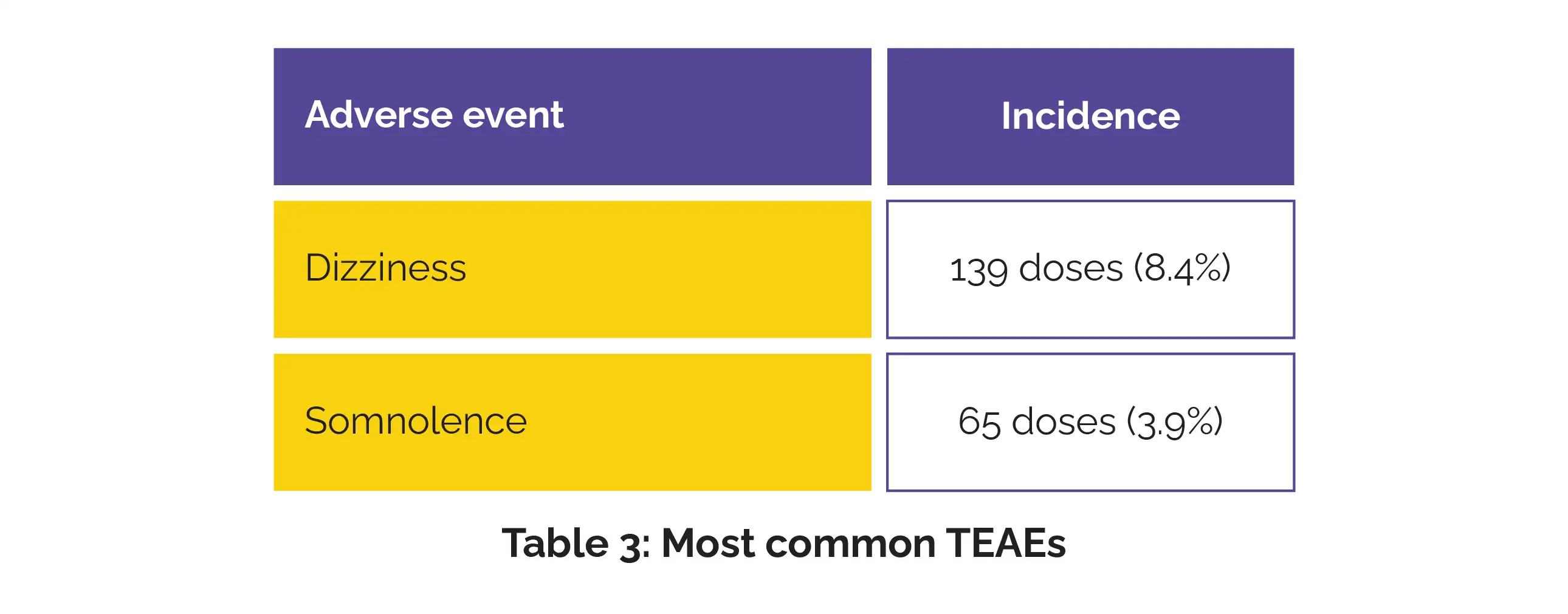
Their incidence decreased with repeated dosing, indicating improved tolerability over time. The median onset of dizziness occurred 0.6 hours after dosing and resolved within 2.2 hours, whereas somnolence developed after 1.0 hour and resolved within 3.5 hours. Median event durations were 3 hours for dizziness and 4 hours for somnolence.
(f) Effectiveness outcomes
1. Pain freedom and pain relief
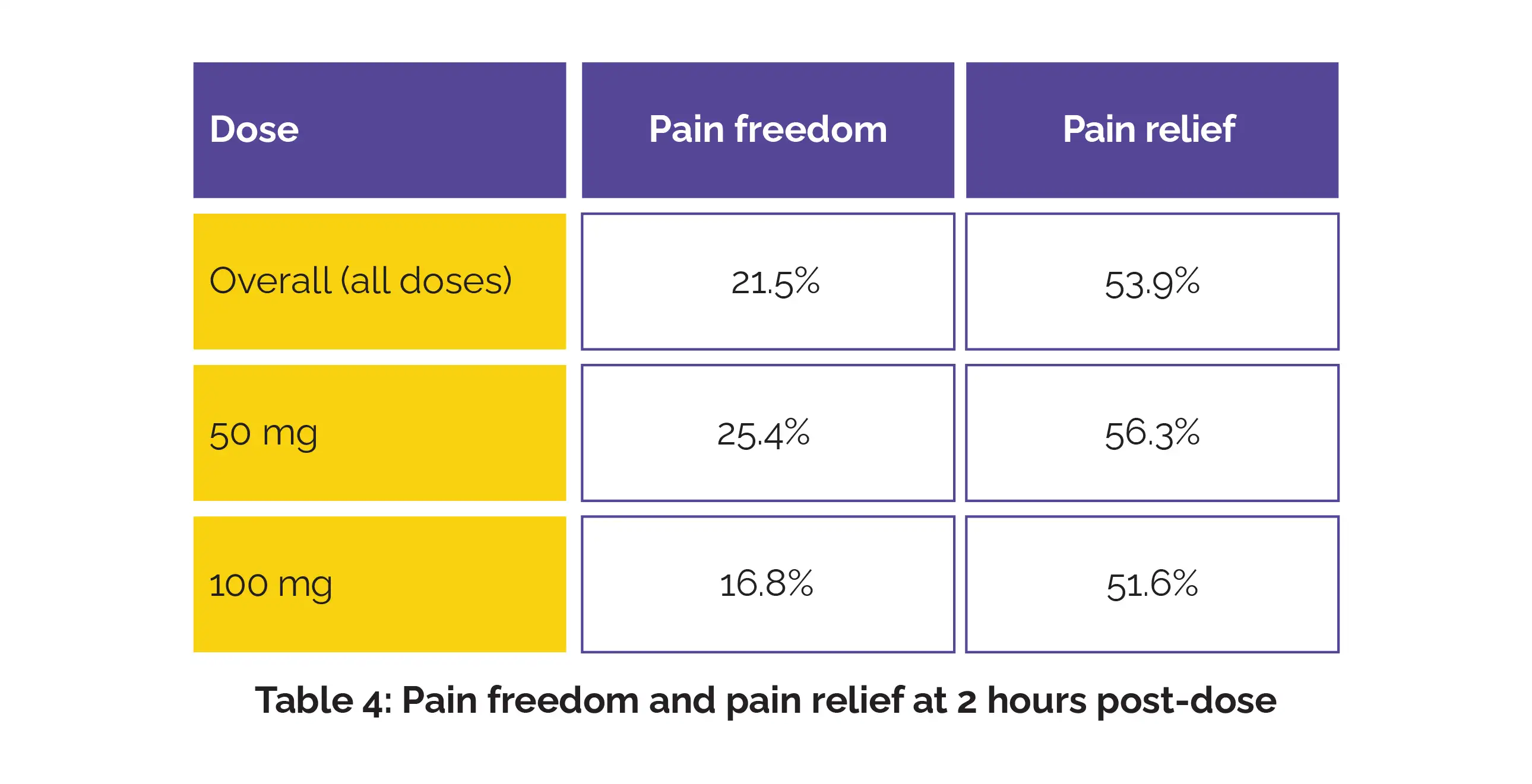
The primary effectiveness analysis evaluated migraine attacks with moderate-to-severe headache treated within 4 hours of symptom onset. At 2 hours after dosing, both pain freedom and pain relief were assessed overall, according to lasmiditan dose (50 mg and 100 mg), and for first-treated migraine attacks (Table 4).
2. Time to clinical improvement
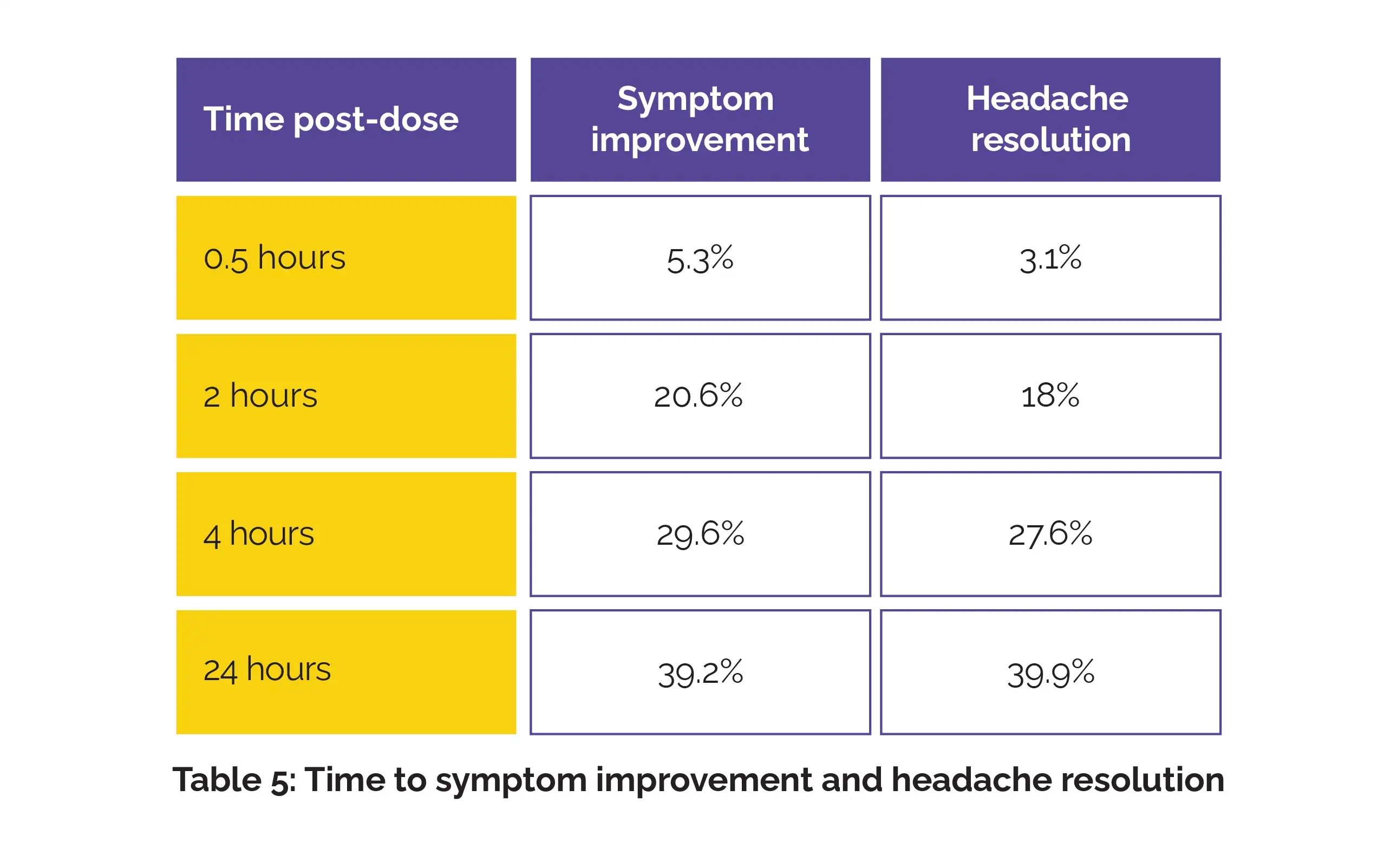
Symptom improvement continued progressively after treatment. By 24 hours, nearly 40% of migraine attacks demonstrated clinically meaningful improvement, while complete headache resolution occurred in almost the same proportion (Table 5).
3. Functional recovery
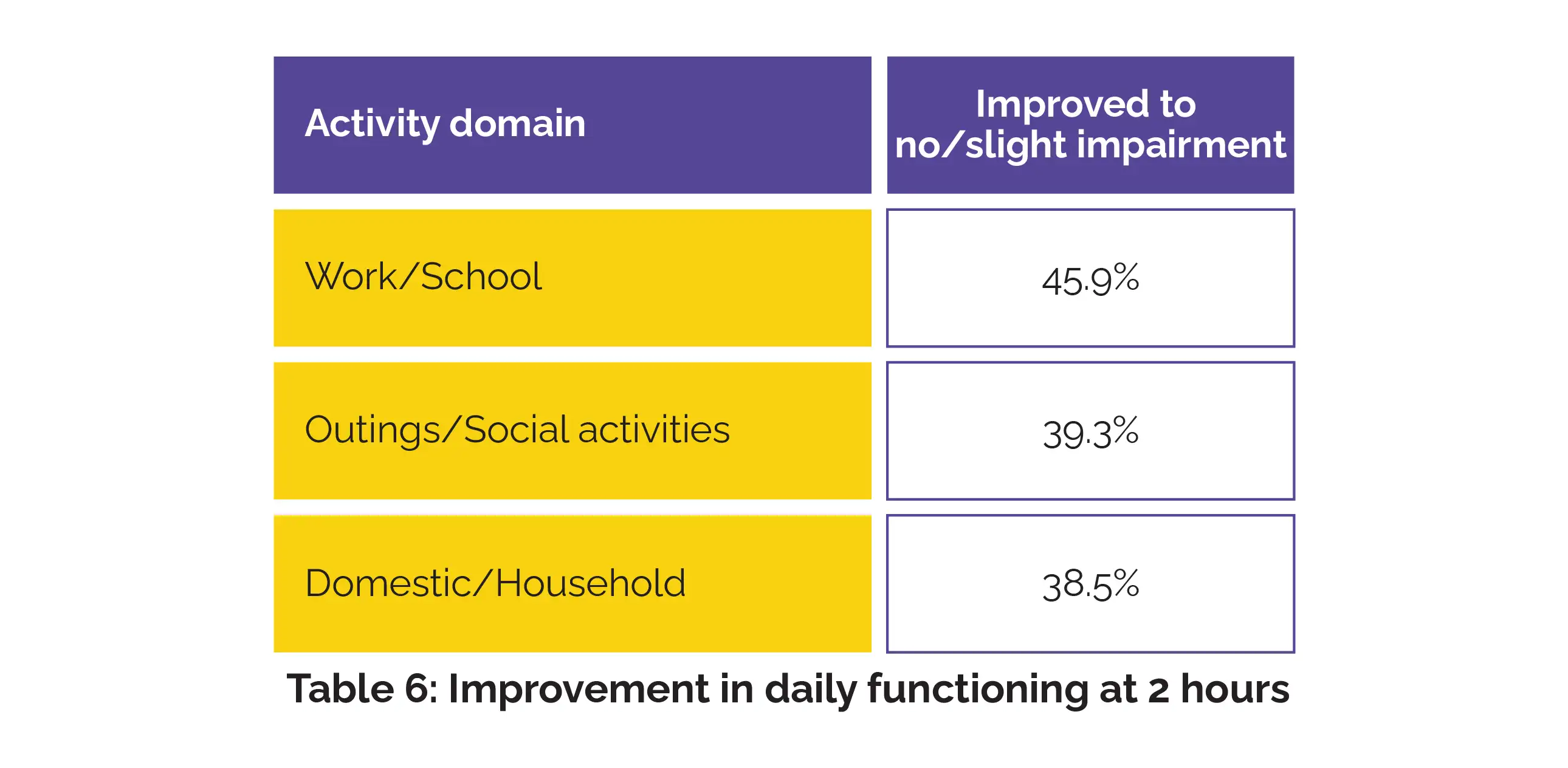
Lasmiditan use translated into meaningful improvements in daily functioning. Among patients whose activities were severely impaired before treatment, the proportion achieving no or only slight impairment at 2 hours was greatest for work or school activities (Table 6).
4. Return to normal daily activities
Patients also assessed whether lasmiditan enabled them to return to their usual daily activities. Overall, restoration of normal daily activities increased progressively during follow-up, supporting sustained functional recovery after acute migraine treatment.
5. Patient satisfaction
This post-marketing study provides robust real-world evidence supporting the safety and effectiveness of lasmiditan for the acute treatment of migraine in Japanese clinical practice. No new safety concerns emerged, and the overall adverse event profile remained consistent with previous clinical trials. The study population closely reflected patients encountered in routine care and included individuals with chronic migraine and rare migraine subtypes that are often underrepresented in randomized trials, enhancing the clinical relevance of the findings.
The observed incidence of TEAEs was lower than that reported in earlier Japanese clinical studies, while dizziness and somnolence remained the most commonly reported events, consistent with lasmiditan's known CNS effects. The declining frequency of these events with repeated use suggests improved tolerability over time. Although pain freedom and pain relief rates were lower than those reported in controlled clinical trials, the effectiveness outcomes remained clinically meaningful.
Differences likely reflect the inclusion of more complex and treatment-resistant patients, broader treatment practices, and concomitant medication use typical of real-world settings. Importantly, lasmiditan demonstrated notable benefits in restoring daily functioning and improving patient satisfaction, highlighting its value beyond headache relief alone.
Prescribing trends indicated a preference for lower starting doses, suggesting that clinicians prioritized tolerability when initiating therapy. Overall, these findings reinforce lasmiditan as a potent non-vasoconstrictive acute migraine treatment with a predictable safety profile and meaningful real-world benefits.
Lasmiditan maintained a favorable balance between effectiveness and tolerability, offering clinically relevant migraine relief without introducing new safety concerns. Its non-vasoconstrictive mechanism further supports its utility in patients for whom conventional acute therapies may be unsuitable.
Neurology and Therapy
Real-World Safety and Effectiveness of Lasmiditan in Patients with Migraine: A Post-Marketing Observational Study in Japan
Naoko Sanno et al.











Comments (0)