

Categories
Change Password!
Reset Password!


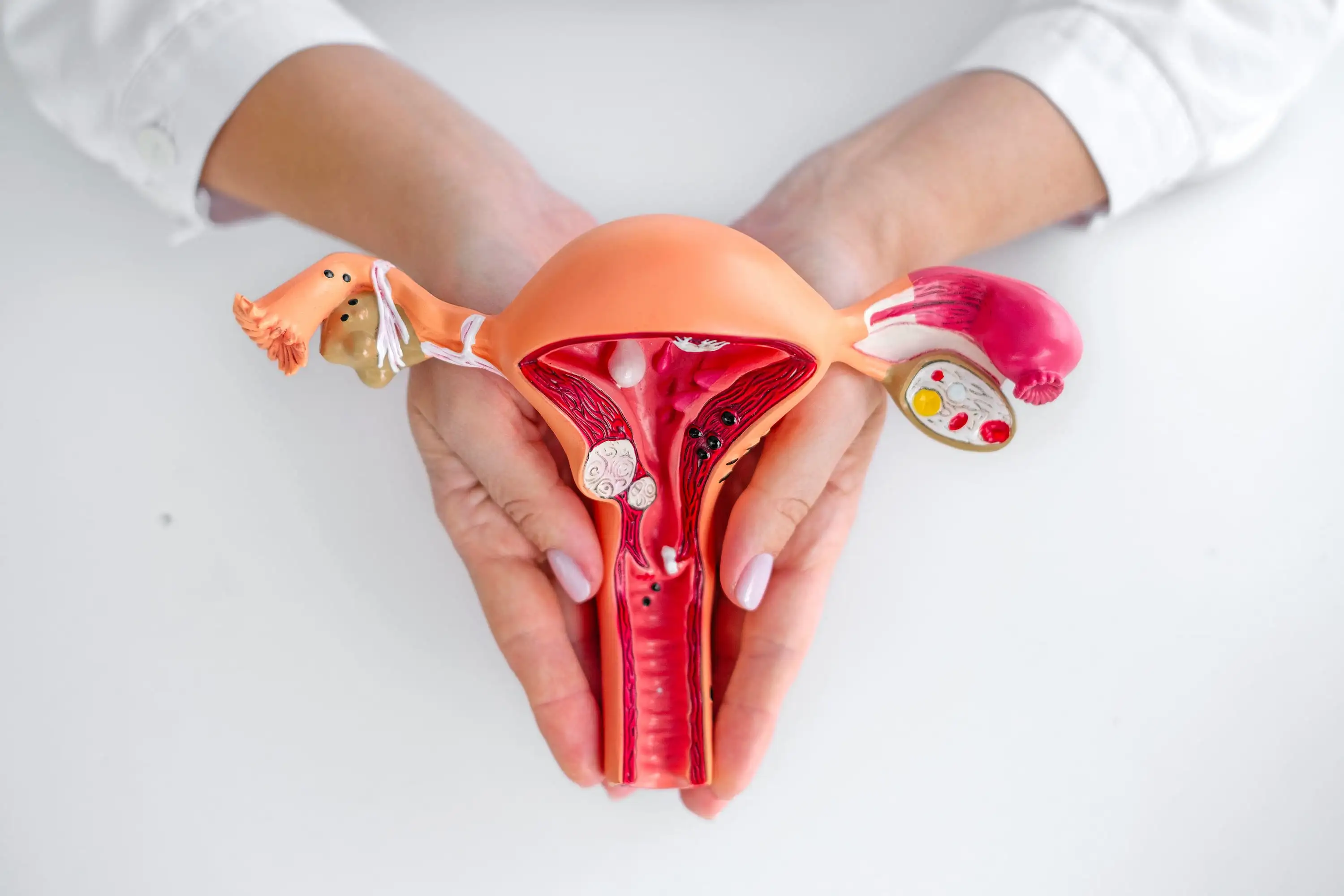
Vitamin D3 supplementation (30,000 IU/week) significantly improves ovulation rates, menstrual cycle regularity, and ovarian morphology in PCOS, while also reducing testosterone levels in those with elevated LH/FSH ratios.
Supplementing with vitamin D3 improves key reproductive and endocrine markers in polycystic ovary syndrome (PCOS), as per the outcomes from a prospective, randomized controlled trial published in "Nutrients".
The study included PCOS-affected women who were not taking metformin. Volunteers were randomly allocated to get either vitamin D3 (30,000 IU/week) or a placebo for 12 weeks, along with calcium supplementation. This phase was followed by an additional 12 weeks of open-label vitamin D treatment for all the participants. Transvaginal ultrasonography and clinical laboratory assessments were carried out at baseline, week 12, and week 24 to monitor changes in ovarian structure, ovulatory function, and hormone levels.
Key findings:
These findings position vitamin D3 as a promising, low-risk, and accessible therapeutic option—either alone or as an adjunct—for tackling reproductive and hormonal aspects of PCOS. Routine screening and correction of vitamin D deficiency may offer a valuable addition to PCOS care, particularly for those struggling with ovulatory dysfunction and irregular menstrual cycles.
Nutrients
Effects of Vitamin D3 Treatment on Polycystic Ovary Symptoms: A Prospective Double-Blind Two-Phase Randomized Controlled Clinical Trial
Béla E. Tóth et al.














Comments (0)