

Categories
Change Password!
Reset Password!


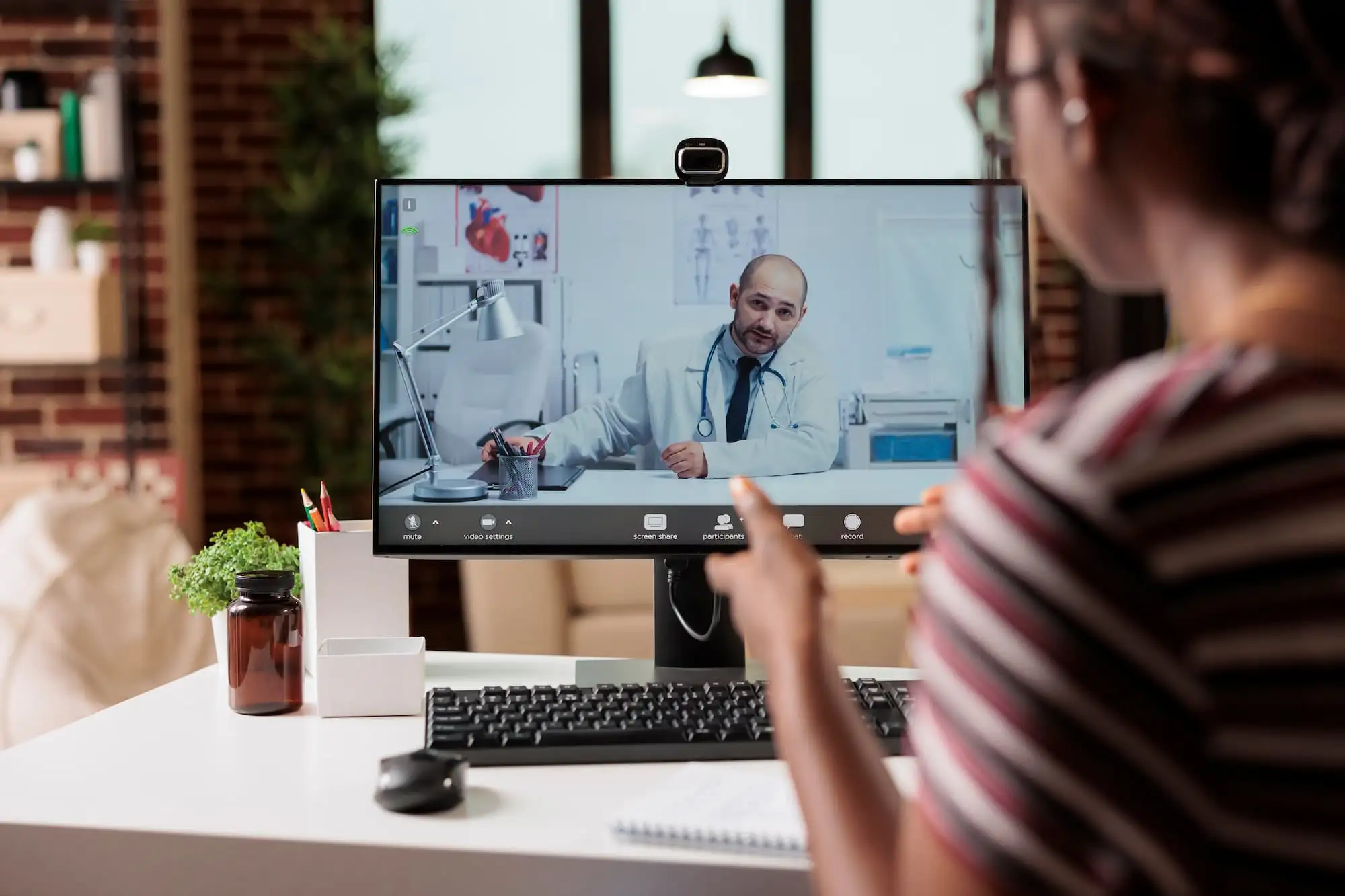
German dermatologists show varying levels of acceptance toward digital health interventions, with younger, urban-based physicians more likely to adopt these tools, while inadequate reimbursement and structural barriers continue to hinder widespread use.
Digital health interventions (DHIs)—including teledermatology and artificial intelligence (AI)-assisted diagnostics—are reshaping healthcare globally. Yet, a novel study reveals that dermatologists in Germany remain divided in their acceptance and readiness to integrate these tools into daily practice.
While DHIs promise better efficiency, patient empowerment, and better quality of care, their adoption in dermatology has lagged behind expectations. Hence, the study led by Patrick Reinders et al. sought to understand the reason by analyzing German dermatologists’ attitudes, digital competencies, and key barriers to digital transformation.
Researchers conducted a cross-sectional survey among 1,000 dermatologists across Germany, of which 170 responded (mean age 50.8 years; 55.7% female). The questionnaire evaluated DHI acceptance on a five-point Likert scale and explored current and future use intentions. Utilizing exploratory factor analysis and two-step cluster analysis, the study identified major behavioral patterns influencing adoption.
Key findings
Four main factors shaped dermatologists’ attitudes:
Based on these, three distinct dermatologist profiles emerged:
Interestingly, even among adopters, only 1 in 3 currently use advanced DHIs such as teledermatology or AI applications. Across all groups, inadequate reimbursement, infrastructure limitations, and structural hurdles were cited as key hurdles. Concerns about data protection, workflow disruption, and patients’ digital readiness further hindered integration. The findings highlight a digital divide within dermatology, driven by generational, structural, and educational factors.
Younger dermatologists and those in urban areas are leading digital adoption, while others remain hesitant. Experts suggest that targeted digital training, improved reimbursement policies, and stronger institutional support are fundamental to boost the digital transition in dermatological care. With proper investment, DHIs could assist in bridging access gaps, boost efficiency, and deliver more equitable skin health services across Germany.
JMIR Human Factors
Understanding Dermatologists' Acceptance of Digital Health Interventions: Cross-Sectional Survey and Cluster Analysis
Patrick Reinders et al.













Comments (0)