

Categories
Change Password!
Reset Password!


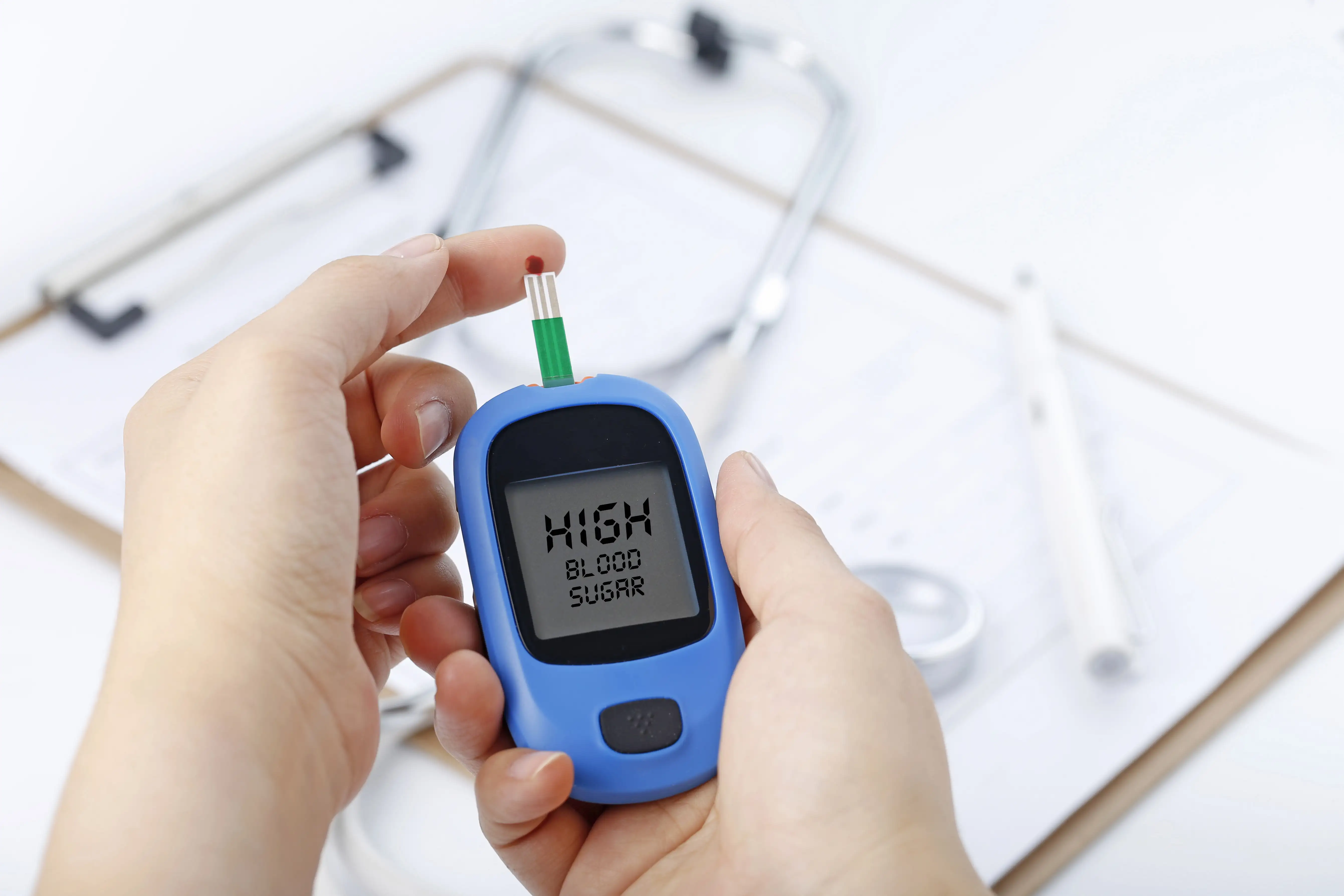
Vildagliptin achieves blood sugar control and safety outcomes similar to other DPP-4 inhibitors in type 2 diabetes.
As per the findings of a systematic review issued in "Cureus", vildagliptin, a commonly prescribed dipeptidyl peptidase-4 [DPP-4] inhibitor, offers glycemic control and safety comparable to other drugs in its class, with no clear evidence of superiority.
DPP-4 inhibitors are commonly utilized as second-line intervention for type 2 diabetes mellitus (T2DM). They work by preserving incretin hormones, boosting insulin release, and hindering glucagon secretion. Vildagliptin and sitagliptin are among the most frequently prescribed agents. With their increasing global use, researchers sought to evaluate whether vildagliptin offers any unique advantages over other DPP-4 inhibitors.
Following the Preferred Reporting Items for Systematic Reviews and Meta-Analyses (PRISMA) guidelines, investigators screened Cochrane and PubMed databases. A total of 5 randomized controlled trials (RCTs) meeting strict inclusion criteria were analyzed, involving 296 volunteers. Studies on gestational diabetes, type 1 diabetes, or severe acute diabetic complications were eliminated. Researchers collected baseline and outcome data on glycated hemoglobin (HbA1c), fasting plasma glucose (FPG), postprandial glucose (PPG), lipid profiles, and hypoglycemia incidence to explore comparative efficacy and safety.
As found, vildagliptin remarkably reduced HbA1c levels, ranging from -0.3% to -1.34%, while other DPP-4 inhibitors exhibited reductions from -0.1% to -1.07%, often without statistical significance. No consistent differences emerged between vildagliptin and its comparators in lowering FPG or PPG, although individual studies occasionally favored one drug over another. Improvements in lipid profiles were inconsistent, and the occurrence of hypoglycemia remained low for all agents.
Hence, vildagliptin is a safe and effective option for T2DM care, comparable to other DPP-4 inhibitors like alogliptin and sitagliptin. Current evidence does not demonstrate a clear advantage in glycemic control, lipid management, or safety profile, whether used alone or in combination therapy. This review reinforces that while vildagliptin remains a reliable choice for T2DM, drug selection must be guided by individual patient needs, comorbidities, and treatment preferences rather than the assumed superiority of one DPP-4 inhibitor over another.
Cureus
Efficacy and Safety of Vildagliptin Versus Other Dipeptidyl Peptidase 4 (DPP-4) Inhibitors in the Management of Type 2 Diabetes Mellitus: A Systematic Review of Randomized Controlled Trials
Vinodhini Selvaraj















Comments (0)