

Categories
Change Password!
Reset Password!



Topical ozonated olive oil markedly improves wound healing, boosts quality of life, optimizes glycemic control, and reduces systemic inflammation in patients with diabetic foot ulcers.
In a randomized controlled trial led by Solmaz Vahedi et al, ozonated olive oil dramatically improved healing outcomes in patients with diabetic foot ulcers (DFUs), a serious and costly complication of diabetes. The therapy not only accelerated wound closure but also enhanced patients’ quality of life and improved blood glucose control. A total of 123 adults (aged 18–75 years) diagnosed with type 2 diabetes and Wagner grade 1–2 DFUs were randomly divided into two groups: one received daily topical applications of ozonated olive oil (50 g/m³, 5 mL), while the other followed standard wound care protocols for 4 weeks.
The study assessed multiple outcomes including wound severity (Bates-Jensen Wound Assessment Tool [BWAT]), quality of life (Diabetes Quality of Life Questionnaire), glycemic control (glycated hemoglobin [HbA1c], fasting and postprandial glucose), lipid profile (low-density lipoprotein, high-density lipoprotein, triglycerides, total cholesterol), and inflammation markers (high-sensitivity C-reactive protein [hs-CRP], interleukin-6 [IL-6], and tumor necrosis factor-alpha [TNF-α]).
Measurements were taken at baseline, post-treatment, and 4 weeks after the intervention. Patients treated with ozonated olive oil illustrated markedly better recovery compared with those receiving standard care. At 4 weeks post-treatment, BWAT scores remarkably improved, indicating faster and more complete wound healing. Quality of life also boosted considerably. Metabolic outcomes supported the clinical improvements in postprandial glucose levels, fasting blood glucose, and HbA1c levels. Inflammatory markers also responded favorably, with hs-CRP significantly reduced (Table 1).
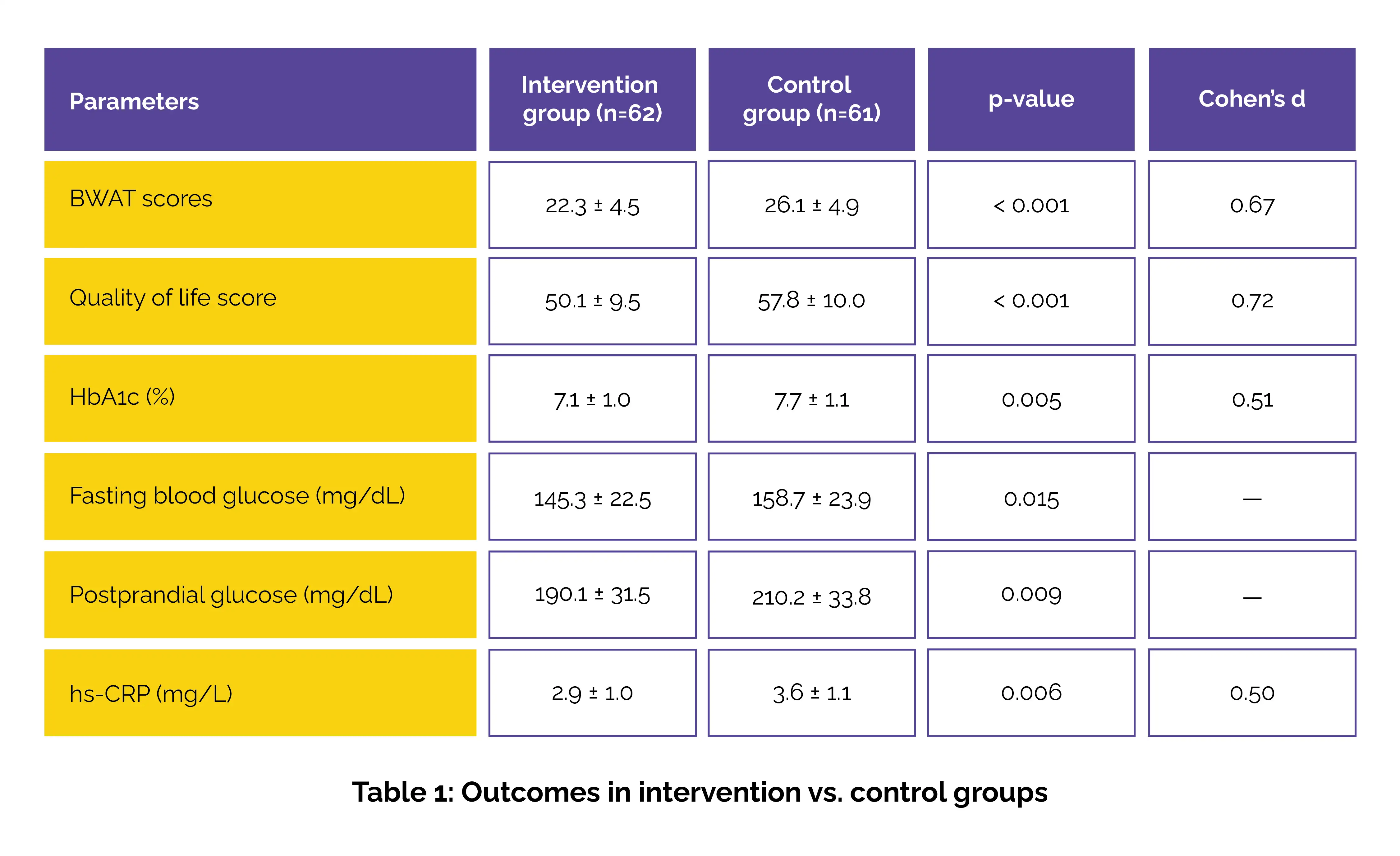
However, no prominent differences were noted for IL-6, TNF-α, or lipid profiles. Hence, ozonated olive oil can be a valuable, cost-effective adjunctive therapy in the management of DFUs. By fostering faster wound healing, boosting glycemic control, and minimizing systemic inflammation, this treatment offers meaningful benefits for those at high risk of infection and amputation. Researchers emphasized that while short-term outcomes are promising, longer follow-up studies are warranted to examine sustained benefits and elucidate the precise biological mechanisms involved.
Lipids in Health and Disease
Effects of topical ozonated olive oil on lipid profile, quality of life, wound healing and glycemic control in patients with diabetic foot ulcers: a randomized controlled trial
Solmaz Vahedi et al.












Comments (0)