

Categories
Change Password!
Reset Password!


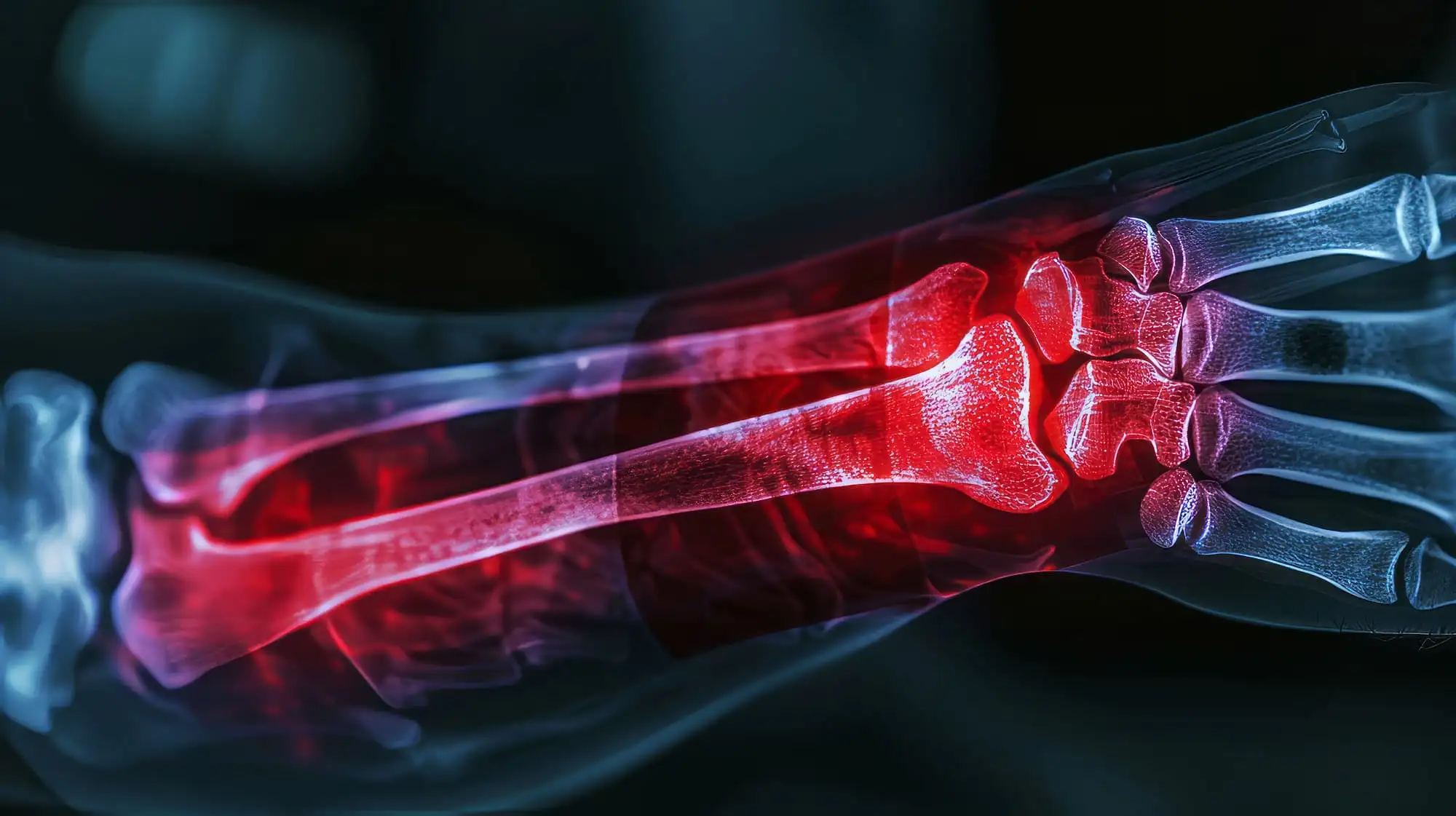
Postoperative ketorolac use reduces opioid reliance and thromboembolic risk after lumbar spinal fusion while preserving bone healing, reinforcing its role as a safe and effective option in pain management.
According to the findings of a study, postoperative ketorolac use after lumbar fusion is linked with lower opioid consumption and fewer thromboembolic complications, without increasing pseudoarthrosis risk. Daniella Ogilvie et al. conducted this retrospective cohort study to determine whether postoperative ketorolac can reduce opioid use after lumbar spinal fusion without impairing bone healing, providing new insights into its emerging role in pain management.
Data from the TriNetX network were utilized to identify individuals who underwent lumbar spinal fusion and had a minimum follow-up period of 30 days, eliminating those with a previous history of pseudoarthrosis. Participants were divided into two cohorts based on whether they received postoperative ketorolac, with groups matched 1:1 for demographic and clinical factors such as age, sex, comorbid conditions, and ethnicity.
The main outcomes included opioid prescription rates at 7, 14, and 30 days post-surgery, and the incidence of pseudoarthrosis assessed at 1-year and 2-year follow-up intervals. Secondary outcomes captured bowel regimen use, ileus, thromboembolic events, renal function, transfusions, infections, wound complications, lab values, readmissions, and mechanical complications, offering a comprehensive view of postoperative recovery. Each matched group included 15,260 patients.
Key findings
Investigators concluded that postoperative ketorolac curtails opioid use and thromboembolic risk while preserving bone integrity and mechanical stability, establishing it as a safe and effective tool to boost recovery after lumbar spinal fusion.
Spine
Postoperative Ketorolac Administration and Pseudoarthrosis Following Lumbar Spinal Fusion: A Matched Cohort Study
Daniella Ogilvie et al.












Comments (0)