

Categories
Change Password!
Reset Password!


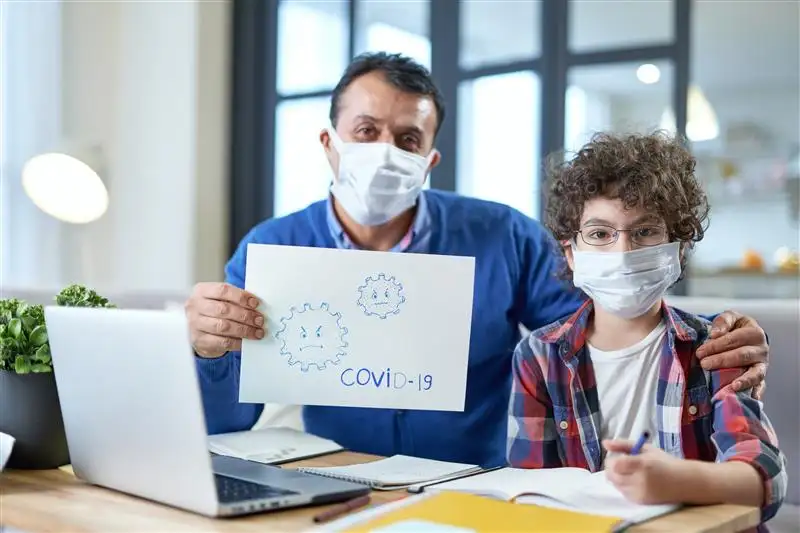
Mild COVID-19 frequently causes persistent small airway dysfunction detectable by lung clearance index, even when spirometry and DLCO appear normal.
A new investigation into the long-term respiratory impact of mild COVID-19 reveals that while critical lung impairment is uncommon, subtle pulmonary dysfunction—particularly affecting ventilation distribution—can persist for months after infection, especially in adults.
The research evaluated pulmonary outcomes in 110 non-hospitalized patients (90 adults and 20 children) aged 6–60 years who had confirmed SARS-CoV-2 infection but no prior respiratory disease. Lung function was assessed 4–12 weeks after acute infection using:
To rule out co-infections, pharyngeal swabs were analyzed via multiplex polymerase chain reaction (PCR) for other acute respiratory pathogens. Patients with abnormal findings underwent repeat testing 3 months later. For validating the results, a retrospective z-score analysis of lung function parameters was also carried out.
At baseline, 50% of adults (45/90) and 85% of children (17/20) had at least one abnormal pulmonary function parameter. The LCI was the most frequently impaired parameter. At approximately 5 months post-infection, persistent abnormalities remained in:
Respiratory symptoms such as dyspnoea and chest pain were linked with lower spirometry and DLCO values. Additional respiratory pathogens were detected in:
The retrospective z-score analysis closely mirrored the initial results. To sum up, critical pulmonary impairment following mild COVID-19 is rarely diagnosed by conventional spirometry and DLCO testing. However, abnormalities in LCI suggest subtle ventilation inhomogeneity that may not be captured by routine assessments.
Most patients demonstrate improvement within 3 months, yet a considerable proportion—particularly adults—continue to display abnormal lung function up to 5 months post-infection. Children appear less impacted by severe pulmonary sequelae and respiratory complaints compared to adults.
BMC Pulmonary Medicine
Pulmonary function in non-hospitalized adults and children after mild COVID-19: a single-centre prospective cohort study
Alexandra R. Görges et al.









Comments (0)