

Categories
Change Password!
Reset Password!



PCABs deliver faster and more consistent acid suppression with comparable or superior clinical outcomes than PPIs in acid-related diseases.
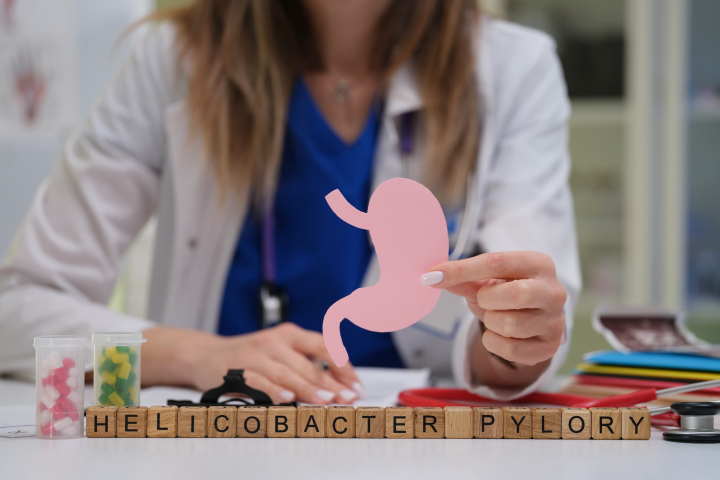
Potassium-competitive acid blockers (PCABs) may outperform traditional proton pump inhibitors (PPIs) in the management of major acid-related disorders, according to a recent narrative review covering studies from 2002 to mid-2024. The study evaluated multiple studies across gastroesophageal reflux disease (GERD), Helicobacter pylori (H. pylori) infection, and peptic ulcer disease (PUD), focusing on pharmacodynamics, clinical efficacy, and safety.
In GERD, particularly those with erosive esophagitis, PCABs demonstrated higher or at least comparable healing rates than PPIs, with a notably faster onset of symptom relief. These benefits were more pronounced in those with severe mucosal damage, where sustained acid suppression is critical. The improved outcomes are largely attributed to the ability of PCABs to maintain more stable intragastric pH levels over 24 hours, including better control of nocturnal acid breakthrough.
In H. pylori infection, PCAB-based regimens attained higher elimination rates when compared to PPI-based therapies, particularly in the context of antibiotic resistance. Enhanced and sustained acid suppression appears to optimize antibiotic potency, translating into improved treatment success without escalating adverse events. For PUD, PCABs were found to be at least as potent as PPIs in ulcer healing, with some studies indicating superior outcomes in both healing and prevention settings.
Their pharmacodynamic profile—marked by rapid onset and prolonged acid inhibition—supports more consistent mucosal recovery across different ulcer etiologies. From a pharmacological standpoint, PCABs yield faster and more predictable acid suppression than PPIs because they do not require acid activation. They also exhibit largely food-independent absorption and reduced variability related to metabolic differences.
Data pooled from multiple studies indicate that co-administration with antibiotics such as clarithromycin increases systemic exposure of PCABs (for example, vonoprazan area under the curve increased by approximately 1.5-fold), which may further enhance therapeutic effectiveness in eradication regimens. Among available agents, vonoprazan remains the most extensively studied and consistently depicts improved or equivalent outcomes compared with PPIs across indications. Importantly, safety analyses across the reviewed literature show that adverse event rates with PCABs are comparable to those seen with PPIs, with no significant novel safety concerns identified.
Frontiers in Physiology
Potassium-competitive acid blockers and advances in the management of patients with acid-related diseases: a narrative review
Xinwei Qiao et al.











Comments (0)