

Categories
Change Password!
Reset Password!


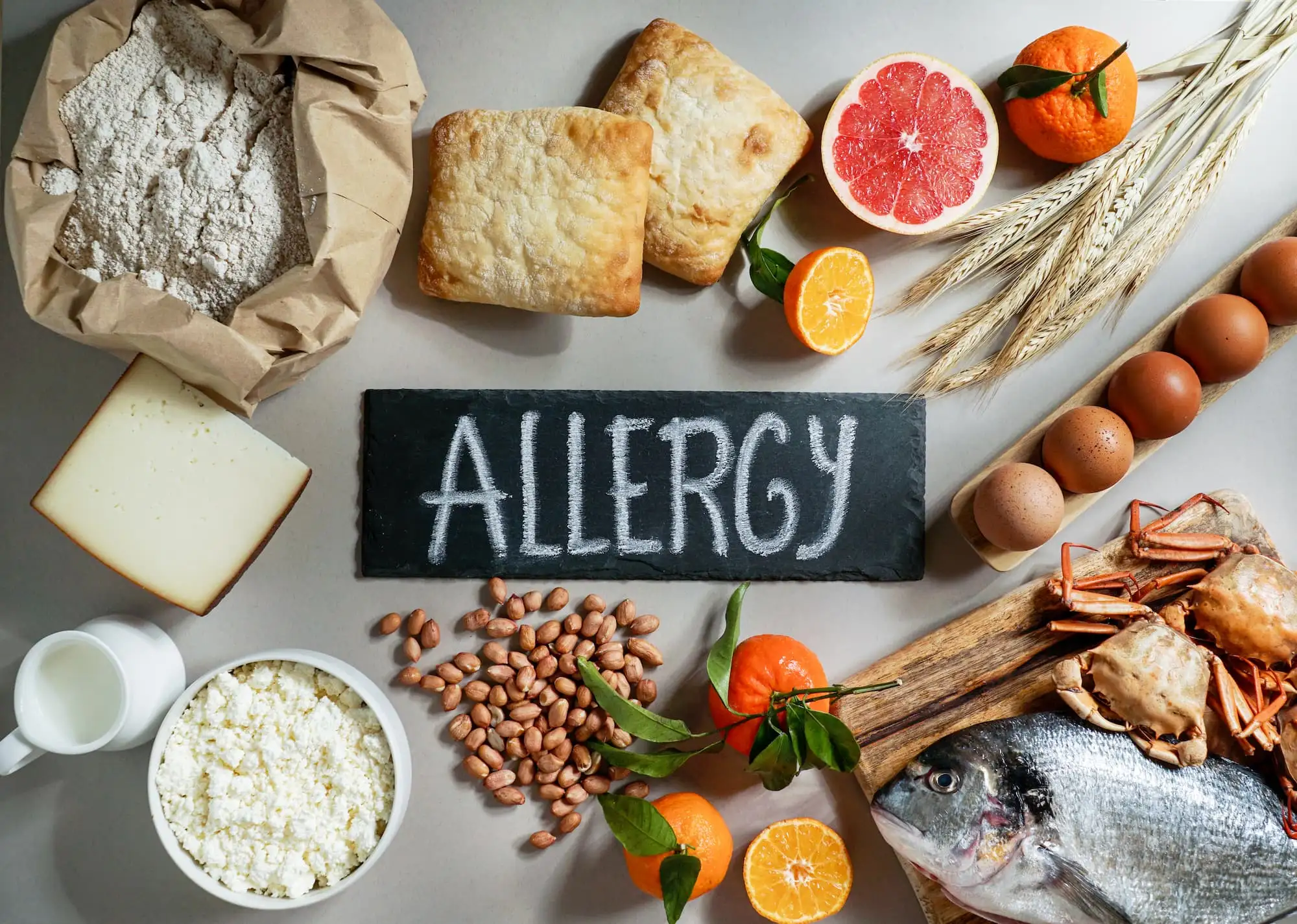
Over 1 in 4 college students with food allergies report experiencing allergic reactions in campus dining halls—most commonly due to mislabeled foods—with many also stating their university is unaware of their condition.
A recent survey carried out across 72 universities in the United States has revealed significant safety concerns for college students living with food allergies. The study gathered responses from 204 students at 72 institutions, including 78 students with diagnosed food allergies. Among those with food allergies, 41% said their university was unaware of their condition, and more than a quarter reported experiencing an allergic reaction in the campus dining hall. The most common cause of these reactions was mislabeled food, responsible for 43% of cases.
Food allergies, which influence around 1 in 10 adults and 1 in 13 kids in United States are a serious public health issue. Despite this, many colleges still lack formal systems to identify and safeguard students with allergies. The survey also found that food allergies often interfere with students’ social lives and create added stress during everyday campus activities.
To boost safety, students with food allergies called for more regular training for dining hall staff (71%) and better access to stock epinephrine in dining areas (59%). These changes, students believe, could diminish the chances of allergic reactions and boost the quality of life on campus. The study highlights a growing requisition for colleges to adopt stronger food allergy policies and support systems. With food allergies becoming more common, taking action to protect students is no longer optional—it’s obligatory.
Annals of Allergy, Asthma & Immunology
Determining avenues for improved food allergy support and safety on college campuses
Pranav M Bajaj et al.













Comments (0)