

Categories
Change Password!
Reset Password!


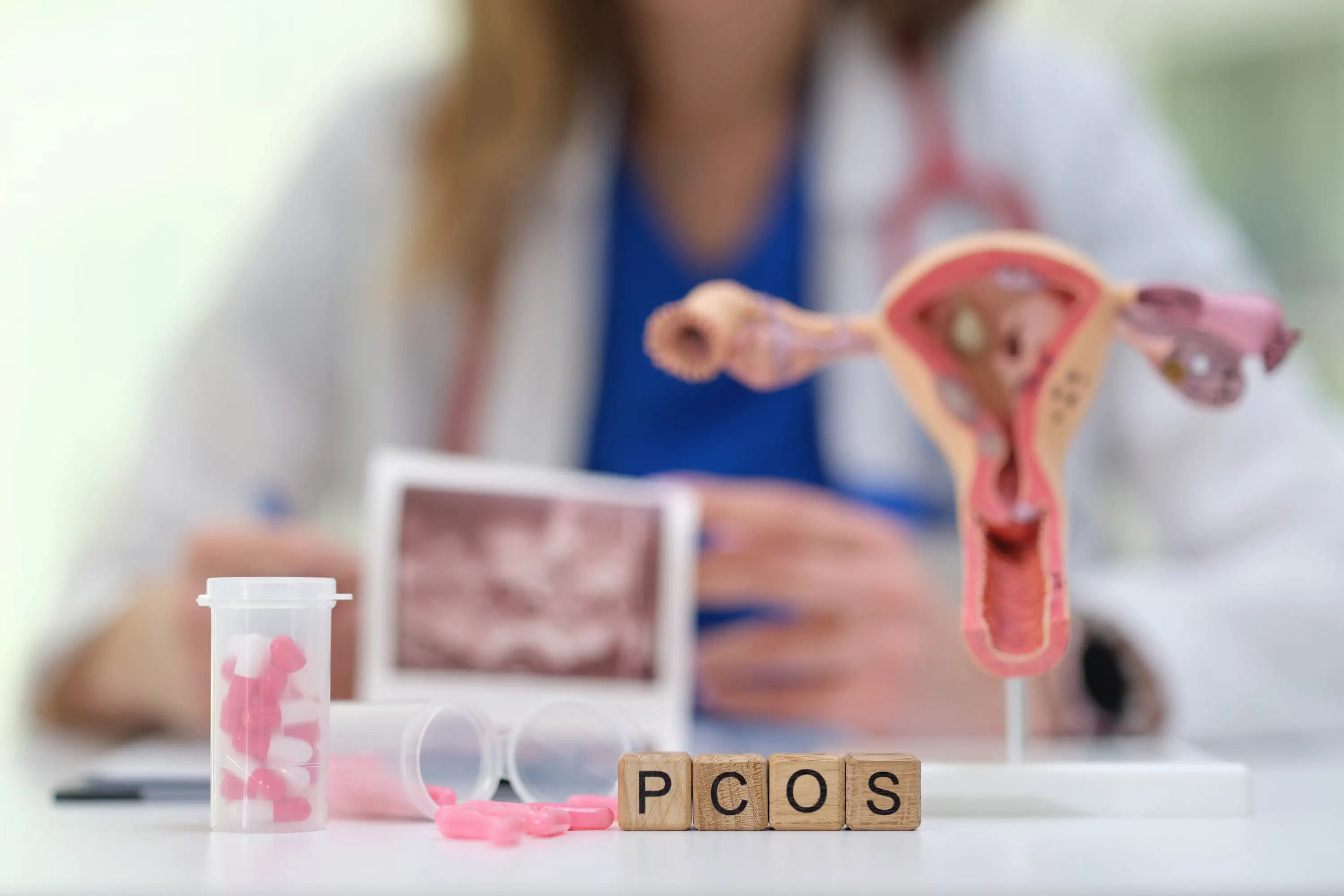
Myo-inositol strengthens its position in PCOS care by showing broader reproductive and metabolic advantages than conventional insulin-sensitizing therapy.
Polycystic ovary syndrome (PCOS) represents a complex interaction between metabolic dysfunction and reproductive endocrinology, making treatment selection increasingly dependent on outcomes that extend beyond symptom control alone. As newer insulin-sensitizing strategies gain clinical attention, questions remain regarding their relative ability to improve fertility potential, hormonal balance, and long-term metabolic health. To address this therapeutic dilemma, investigators prospectively compared two commonly prescribed metabolic interventions in women meeting diagnostic criteria for PCOS.
Researchers conducted a prospective observational comparative study and enrolled 200 women diagnosed with PCOS according to the Rotterdam diagnostic criteria. Participants received either metformin or myo-inositol therapy and were prospectively evaluated for changes in ovulation frequency, menstrual cyclicity, insulin resistance, androgen status, metabolic parameters, and reproductive outcomes. Clinical potency and treatment tolerability were also compared between the two therapeutic strategies.
Both metformin and myo-inositol improved insulin sensitivity, lowered serum testosterone levels, promoted more regular menstrual cycles, increased ovulation rates, and enhanced oocyte quality. However, women treated with myo-inositol experienced greater overall benefits. Compared with metformin, myo-inositol was linked with:
Taken together, the findings suggested that while both interventions addressed key pathophysiological features of PCOS, clinically meaningful differences in efficacy and tolerability may influence individualized treatment selection in routine practice.
International Journal of Pharmacy Research & Technology
A Prospective Observational Comparative Study of Metformin versus Myoinositol in Pcos
Dr. Ankita Khobragade et al.











Comments (0)