

Categories
Change Password!
Reset Password!


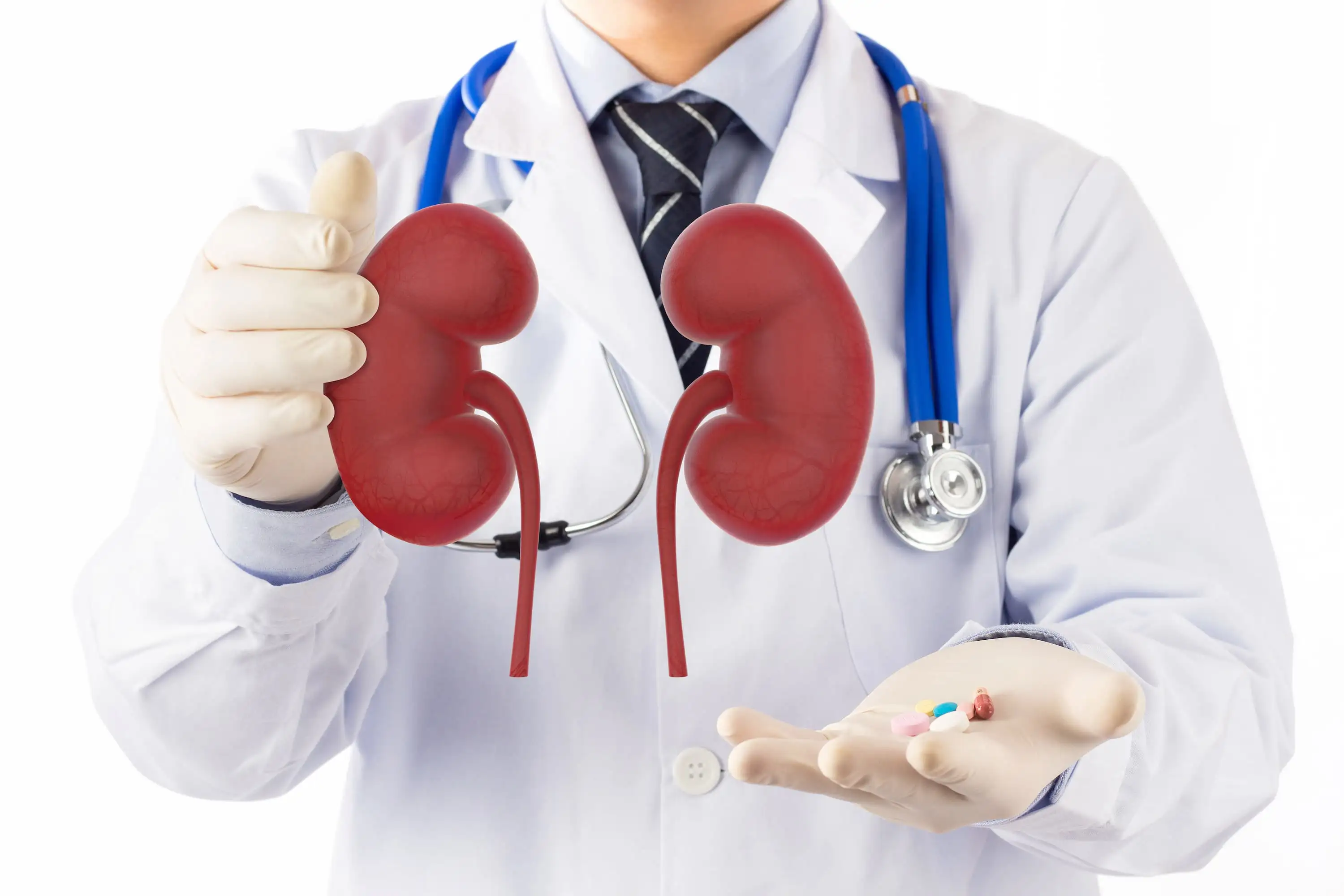
Elevated homocysteine and blood pressure fluctuations independently and synergistically predict higher NGAL levels, indicating increased risk of early renal damage in H-type hypertension.
Raised homocysteine levels and blood pressure variability (BPV) independently and synergistically contribute to early kidney injury in patients with H-type hypertension (HTH), according to findings from a recent retrospective study.
The study analyzed data from 300 patients diagnosed with HTH, a condition defined by the coexistence of hypertension and hyperhomocysteinemia. Volunteers (mean age 60.3 years; 53.3% male) underwent 24-hour ambulatory blood pressure monitoring to assess BPV. Fasting blood samples were examined to estimate homocysteine and neutrophil gelatinase-associated lipocalin (NGAL)—a sensitive biomarker of early kidney injury.
The mean values recorded were 26.5 ± 7.1 µmol/L for homocysteine, 13.1 ± 2.6 mmHg for BPV-SD (standard deviation of systolic BP), and 145 ± 60 ng/mL for NGAL. Both homocysteine and BPV exhibited considerable positive correlations with NGAL levels (p < 0.001). Even after adjusting for potential confounders like age, gender, body mass index, and estimated glomerular filtration rate, homocysteine (β = 1.4, p = 0.010) and BPV-SD (β = 2.7, p = 0.003) remained independent predictors of higher NGAL levels.
Crucially, a significant interaction effect (β = 2.4, p = 0.001) was observed, suggesting that the impact of BPV on kidney injury is amplified in those suffering from high homocysteine levels (≥25 µmol/L). This indicates a synergistic link between the two factors in driving renal damage. The authors conclude that simultaneous elevation of homocysteine and BPV may place patients with H-type hypertension at particularly heightened risk for kidney injury. These findings point to the clinical value of strategies aimed at both minimizing homocysteine levels and stabilizing blood pressure fluctuations.
BMC Cardiovascular Disorders
The relationship between homocysteine levels and blood pressure variability with early renal injury marker NGAL in patients with H-type hypertension
Xuanhao Lu et al.












Comments (0)