

Categories
Change Password!
Reset Password!


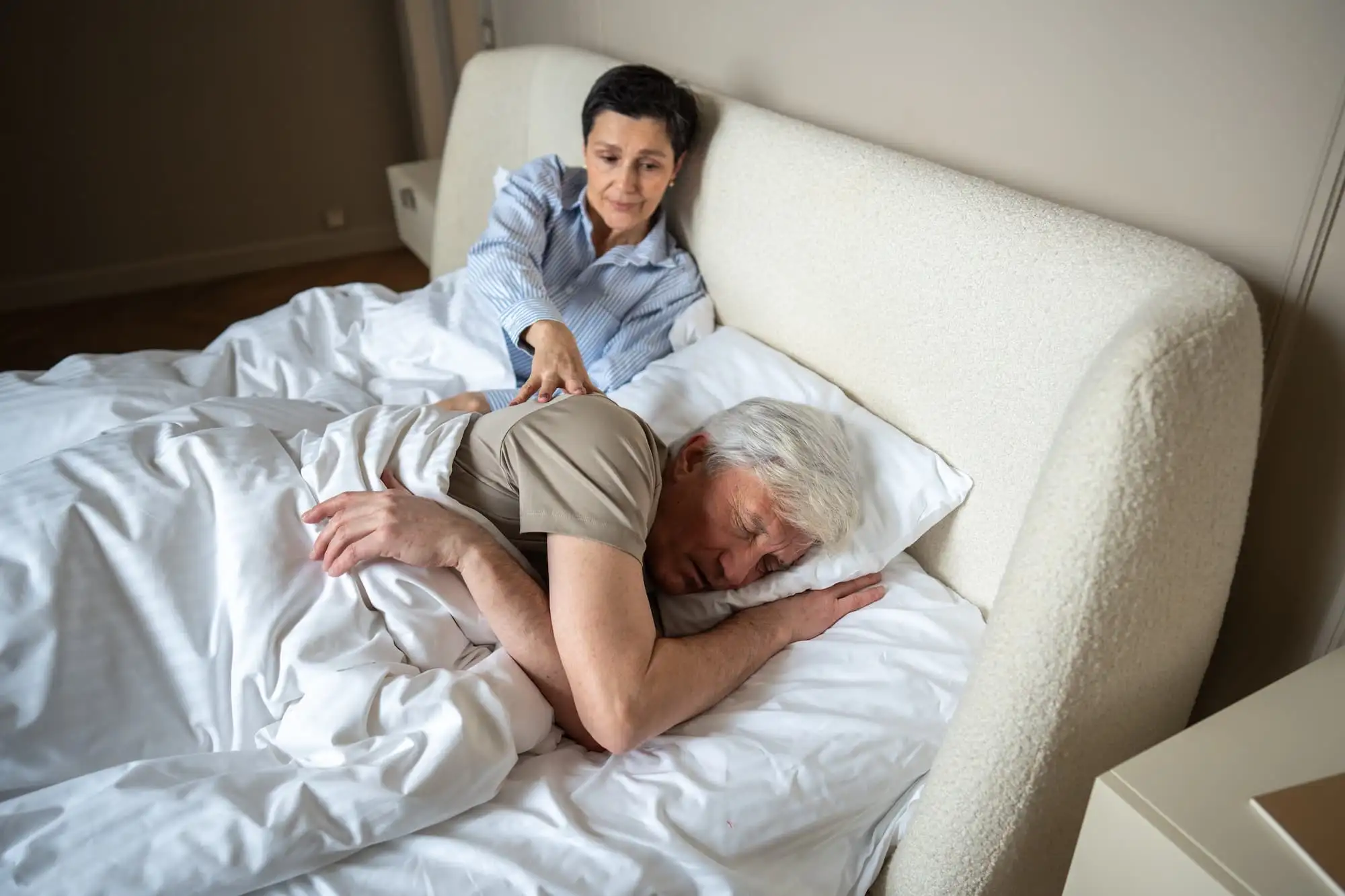
Mean apnea-hypopnea duration offers additional insight into obstructive sleep apnea severity by identifying nocturnal oxygen impairment not captured by conventional sleep indices.
The severity of obstructive sleep apnea (OSA) does not necessarily reflect the frequency of breathing events. In a retrospective analysis of 521 patients, longer mean apnea-hypopnea duration (MAD) was associated with greater nocturnal oxygen impairment, even though severe OSA occurred at similar rates across MAD groups.
The study, conducted between 2015 and 2022, divided patients diagnosed with OSA by ventilatory polygraphy into higher-MAD (n=264) and lower-MAD (n=257) groups. MAD increased with age (r=0.10; p=0.001) and decreased as minimum oxygen saturation fell (r=−0.14; p=0.001). Importantly, MAD showed no significant correlation with AHI, desaturation index, or mean nocturnal oxygen saturation.
Patients with higher MAD had a lower minimum oxygen saturation during sleep (p=0.004) and spent more time with oxygen saturation below 88% (p=0.03). These differences occurred despite no significant difference in the frequency of severe OSA between the higher- and lower-MAD groups (p=0.1). Further analysis identified older age (p=0.01), male sex (p=0.001), coffee consumption (p=0.002), and restless sleep (p=0.001) as independent factors associated with higher MAD.
The findings highlight an important limitation of relying on AHI alone: the number of respiratory events may not tell the whole story. Two patients with similar AHI values could potentially experience different physiological consequences depending on the duration of their individual events. To sum up, mean apnea-hypopnea duration may complement AHI and oxygenation measures when assessing OSA, offering an additional parameter for disease phenotyping, risk stratification, and potentially more personalized management.
Respiratory Medicine
Impact of mean apnea-hypopnea duration on disease severity in obstructive sleep apnea: A retrospective study
Ines Moussa et al.











Comments (0)