

Categories
Change Password!
Reset Password!


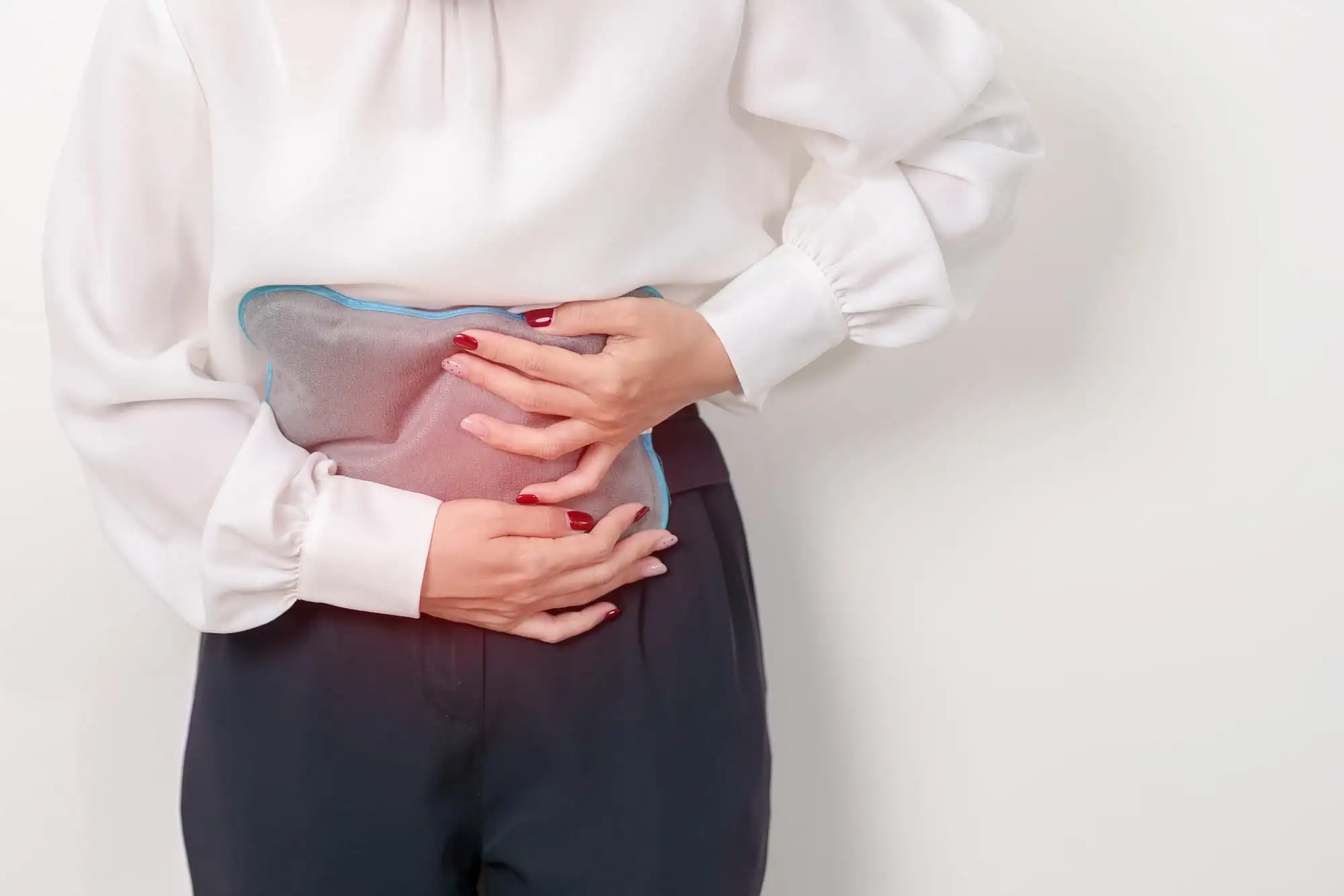
Heat therapy offers short-term and long-term pain relief for primary dysmenorrhea—matching or exceeding the analgesic potency of NSAIDs while reducing adverse events.
Every month, up to 90% of women worldwide face the crippling abdominal pain of primary dysmenorrhea, driving severe disruption and frequent absenteeism from classrooms and workplaces. For decades, the standard response has been simple: go for non-steroidal anti-inflammatory drugs (NSAIDs). Yet, successful pain mitigation remains elusive for some women: nearly 18% derive no relief from NSAIDs, while concerns about gastrointestinal, renal, and cardiovascular adverse effects pose additional challenges.
Now, landmark findings issued in "Frontiers in Medicine" challenge the "meds-first" routine. A rigorous systematic review and meta-analysis reveals that simple, localized heat therapy—delivered via adhesive abdominal warmers, electric heating pads, far-infrared belts, or moxibustion—isn't just a cozy home remedy; it’s a clinically superior, safer rival to standard painkillers.
Analyzing data across 7 major biomedical databases up to August 2025, Dongni Yuan and other researchers synthesized findings from 57 randomized controlled trials (RCTs) encompassing 5,359 female volunteers:
The biological rationale is straightforward: applied thermal energy enhances pelvic blood flow, aiding in flushing out concentrated, cramp-inducing prostaglandins and relieving tissue ischemia without chemical intervention. Given that nearly 1 in 5 women struggle with NSAID resistance or adverse reactions, these robust findings confirm that heat therapy is far more than a simple comfort measure—it is a clinically validated, highly accessible, and exceptionally safe first-line or adjunct defense against menstrual pain.
Frontiers in Medicine
Heat therapy for primary dysmenorrhea: a systematic review and meta-analysis
Dongni Yuan et al.














Comments (0)