

Categories
Change Password!
Reset Password!



Recurrent vulvovaginal candidiasis remains a common and challenging condition in women, particularly those with type 2 diabetes, due to its complex pathogenesis and limited long-term treatment success.
A literature review issued in "Cureus" elucidated the pathogenesis and clinical treatment of vulvovaginal candidiasis (VVC) in Mexican diabetic patients. VVC, a fungal infection caused primarily by Candida albicans, affects approximately 75% of women during their reproductive years, with about 40–50% experiencing recurrence. Its pathogenesis is multifactorial, involving fungal overgrowth, immune dysregulation, and host-environment interactions.
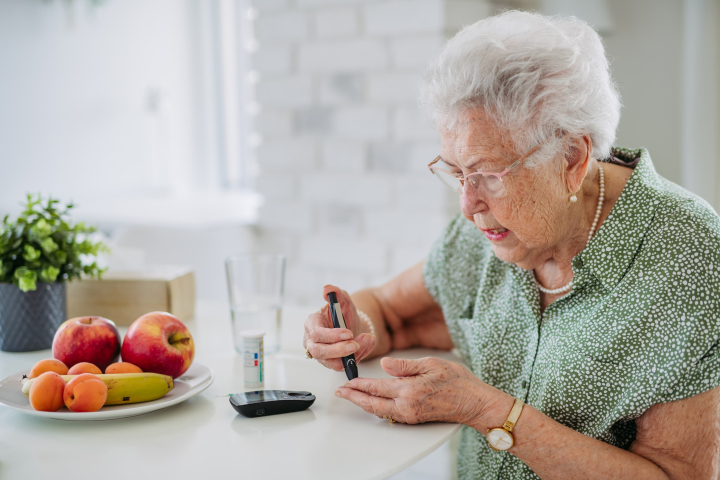
In women with type 2 diabetes mellitus (T2DM), the risk of VVC escalates markedly due to hyperglycemia-triggered immune suppression, alterations in vaginal flora, and enhanced fungal adhesion and biofilm formation. Elevated blood glucose levels impair neutrophil function and promote fungal colonization, making diabetic women particularly prone to recurrent infections.
While Candida albicans remains the predominant pathogen, infections caused by non-albicans Candida species such as Candida glabrata and Candida krusei are becoming increasingly common in diabetics—posing a greater therapeutic challenge due to their reduced susceptibility to azole antifungals, especially fluconazole.
Standard intervention for uncomplicated VVC encompasses single-dose oral fluconazole (150 mg) or topical azoles. However, for recurrent VVC (defined as 4 or more episodes in a year), particularly in diabetic women, clinical guidelines recommend a prolonged maintenance regimen—typically fluconazole 150 mg every 72 hours for 3 doses, followed by once-weekly dosing for 6 months. Even so, relapse after discontinuation is common, especially in those with poor glycemic control. Diagnostic confirmation is fundamental before starting treatment.
While traditional methods rely on microscopy and culture, advanced diagnostics like CHROMagar and MALDI-TOF mass spectrometry enable species-level identification, which is crucial for tailoring antifungal therapy—particularly when non-albicans species are involved. Unfortunately, such technologies are often unavailable in rural or low-resource settings in Mexico and other parts of Latin America. The emergence of antifungal resistance, fueled by self-medication and over-the-counter azole use, is another growing concern.
New antifungals like oteseconazole (VT-1161), a selective fungal CYP51 inhibitor, offer promise due to their potency and reduced side-effect profiles. Additionally, investigational vaccines (e.g., NDV-3A and PEV7) targeting Candida virulence factors may offer long-term protection, especially for high-risk women. Optimal management of VVC in diabetic women requires an integrated approach:
As recurrent VVC continues to impair quality of life and burden healthcare systems, particularly in countries with rising diabetes prevalence like Mexico, improved awareness and evidence-based management are key to reversing this trend.
Cureus
Pathogenesis and Clinical Management of Vulvovaginal Candidiasis in Mexican Diabetic Patients: A Literature Review
Emilio Mondragón Rosas et al.












Comments (0)