

Categories
Change Password!
Reset Password!


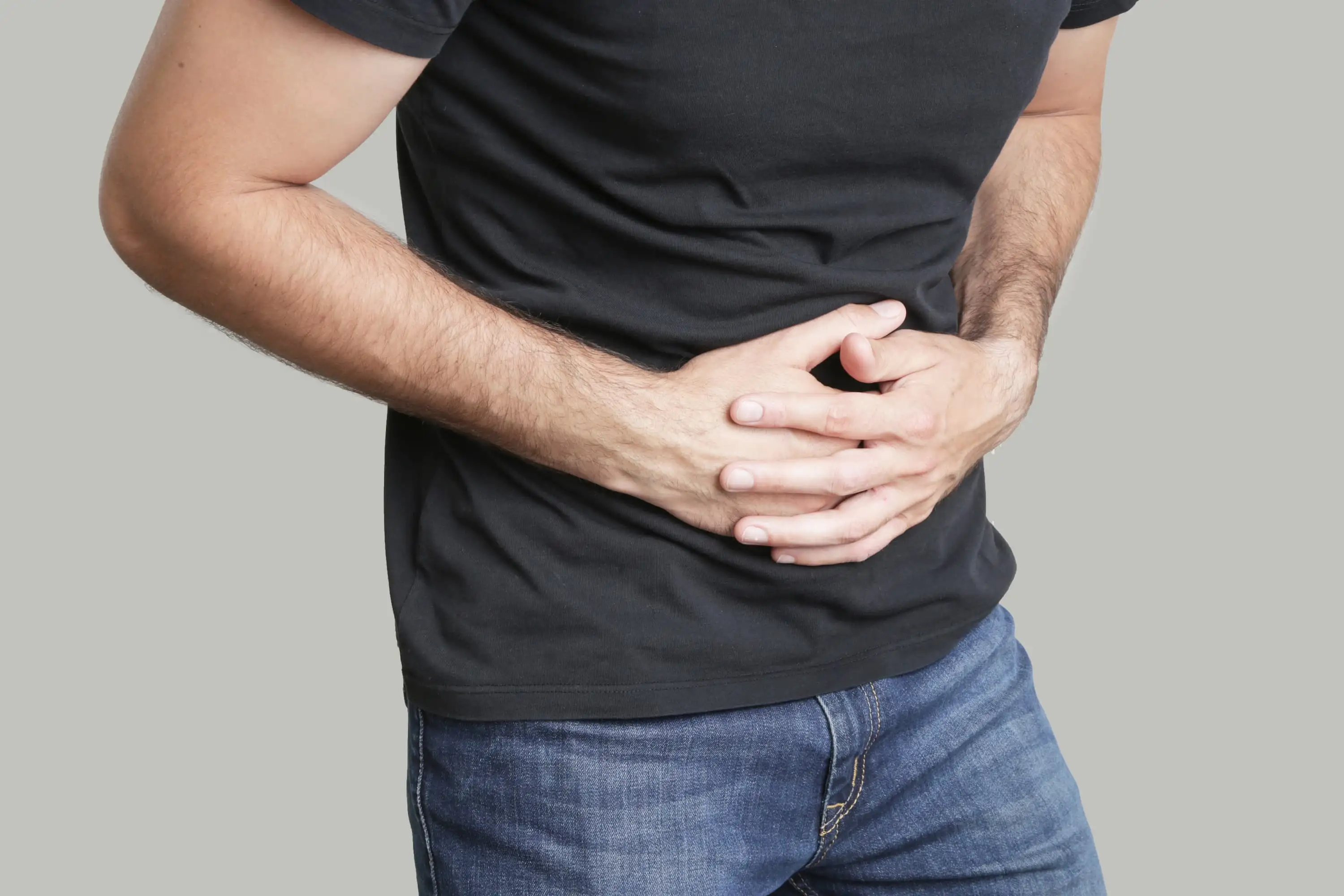
Six weeks of supervised yoga is non-inferior to alfuzosin plus amitriptyline for improving overall symptoms in men with CPPS.
Chronic pelvic pain syndrome (CPPS) is a highly prevalent and notoriously difficult-to-relieve condition in men, often marked by a frustrating lack of long-term therapeutic options. While yoga has been anecdotally praised for minimizing pelvic floor dysfunction and pain, robust comparative data have been missing. Now, the recently published COPE trial provides compelling clinical evidence that non-pharmacological interventions can hold their own against standard medical regimens.
Subjects were randomized into two sequences:
Each intervention phase lasted for six weeks, separated by a one-week washout period. The MT protocol consisted of daily doses of alfuzosin (10 mg) combined with titrated amitriptyline (10–50 mg). The YT protocol involved one hour of supervised, structured daily yoga. The primary benchmark for success was the reduction in the total National Institutes of Health Chronic Prostatitis Symptom Index (NIH-CPSI) score. Secondary endpoints evaluated subdomains focusing on pain, urinary function, and overall quality of life.
Yoga Delivers Comparable Overall Symptom Improvement
The mean NIH-CPSI total score dropped by 10.8 points during the MT phase, compared to an 8.4-point drop during the YT phase. The slight difference of −2.4 points successfully established that YT is statistically non-inferior to standard medication.
Urinary Symptoms Favored MT
Although overall symptom improvement was comparable, the treatment approaches differed in their effect on urinary symptoms. MT produced greater improvement, with a between-group difference of −1.2 points. Notably, quality of life and pain scores were almost comparable between the two approaches.
Fewer Adverse Events With Yoga
The safety profile differed between the treatment phases. Adverse events were noted in 27.5% of patients during MT compared with 10% during YT.
All 40 randomised participants completed both treatment phases, and the investigators found no significant carryover effect between the interventions.
What the Findings Mean for CPPS Management
The COPE trial provides preliminary evidence that structured yoga can achieve overall CPPS symptom improvement comparable to alfuzosin plus amitriptyline over a 6-week treatment period, with fewer reported adverse events in this study. The greater improvement in urinary symptoms with MT indicates that treatment response may differ according to the predominant symptom profile.
The findings also raise the possibility of incorporating yoga as an add-on or maintenance approach, although the study's small sample size, single-centre design, short treatment duration, and inability to completely blind the yoga intervention limit the strength and generalisability of the findings. Larger studies are needed to establish the longer-term role of yoga in CPPS.
International Urology and Nephrology
COPE Trial: comparison of yoga therapy versus medical therapy in men with chronic pelvic pain syndrome—a pilot randomised crossover trial
Abhay Singh Gaur et al.












Comments (0)