

Categories
Change Password!
Reset Password!


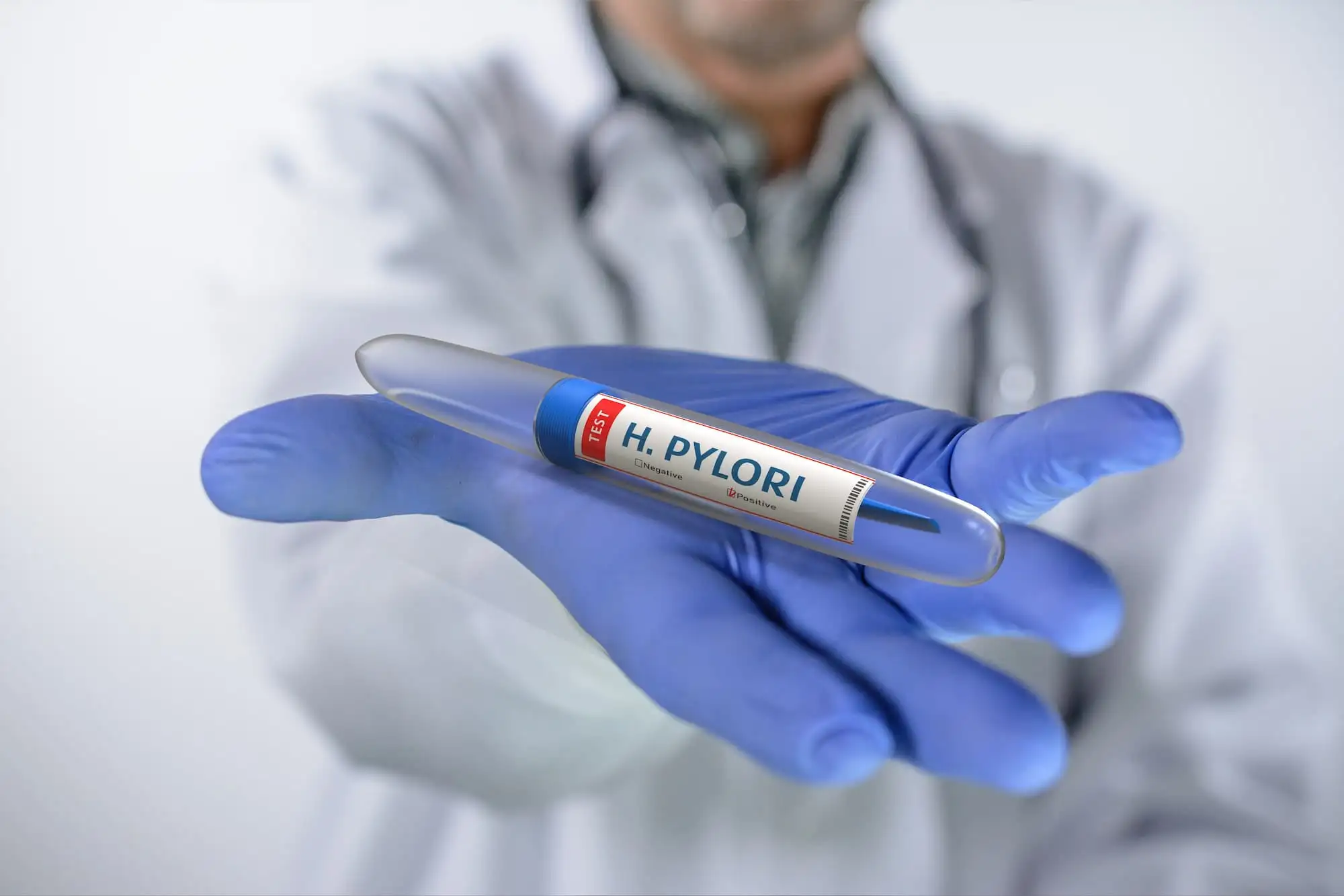
H. pylori infection is associated with elevated inflammatory markers and glycemic indices, alongside reduced hemoglobin and ferritin levels, highlighting potential systemic effects beyond the gastrointestinal tract.
Could a bacterium commonly associated with stomach disorders also be linked to changes in blood sugar regulation and iron status? A novel research issued in the "Journal of Clinical Medicine" suggests that Helicobacter pylori (H. pylori) infection is linked with a broader pattern of inflammatory, metabolic, and hematological alterations, raising questions about its potential implications for systemic health.
The case–control study, conducted in Saudi Arabia, enrolled 100 participants (18–60 years): 50 H. pylori-affected participants and 50 healthy controls. The authors assessed random blood sugar, glycated hemoglobin (HbA1c), white blood cell (WBC) count, hemoglobin, ferritin, C-reactive protein (CRP), and erythrocyte sedimentation rate (ESR) to investigate the connection between H. pylori infection, glycemic control, systemic inflammation, and iron metabolism.
Compared with healthy controls, those with H. pylori had markedly higher random blood sugar and HbA1c levels, indicating an association with poorer glycemic control. Inflammatory markers were also considerably elevated, with higher CRP and ESR levels. Conversely, hemoglobin and ferritin levels were lower in the infected group, suggesting altered iron metabolism and a potential link with iron deficiency anemia.
Correlation analyses revealed that higher inflammatory marker levels were positively linked with glycemic indices but negatively linked with hemoglobin and ferritin. These findings suggest that inflammation, altered glucose regulation, and reduced iron stores may be interconnected in individuals battling H. pylori infection. However, the observed associations do not establish that the infection directly causes these abnormalities. After adjustment for smoking status and fast-food intake, further analysis identified CRP and ESR as independent predictors of H. pylori.
CRP illustrated an adjusted odds ratio (OR) of 1.33, while ESR had an adjusted OR of 1.09. A combined model incorporating these inflammatory markers depicted an area under the receiver operating characteristic curve of 0.82, indicating acceptable discriminatory performance. The findings broaden the investigation of H. pylori beyond gastrointestinal disease to encompass potential associations with systemic inflammation, glycemic control, and hematological health.
Journal of Clinical Medicine
Impact of Helicobacter pylori Infection on Metabolic and Physiological Parameters Among Young Adults Individuals
Ashwag Alsharidah et al.














Comments (0)