AHS guidelines: What works for acute migraine in the ED? :- Medznat
EN | RU
EN | RU

Help Support

By clicking the "Submit" button, you accept the terms of the User Agreement, including those related to the processing of your personal data. More about data processing in the Policy.
Back

AHS guidelines rank prochlorperazine and GONB as preferred treatments for acute migraine

Migraine in adults Migraine in adults

What's new?

The 2025 AHS guidelines mandate offering IV prochlorperazine and greater occipital nerve blocks to eligible adults with acute migraine in the emergency department, while strongly advising against IV hydromorphone. 

The American Headache Society (AHS) has released its 2025 evidence-based guideline update for acute adult migraine care in the emergency department (ED). Expanding on the 2016 framework, this systematic review and meta-analysis synthesized 26 new randomized controlled trials (RCTs) evaluating 20 injectable and procedural therapies to establish a definitive treatment hierarchy.

The literature search covered MEDLINE, Embase, Cochrane, ClinicalTrials.gov, and the World Health Organization International Clinical Trials Registry Platform. Study quality was assessed via American Academy of Neurology (AAN) criteria.

Summary of Recommendations

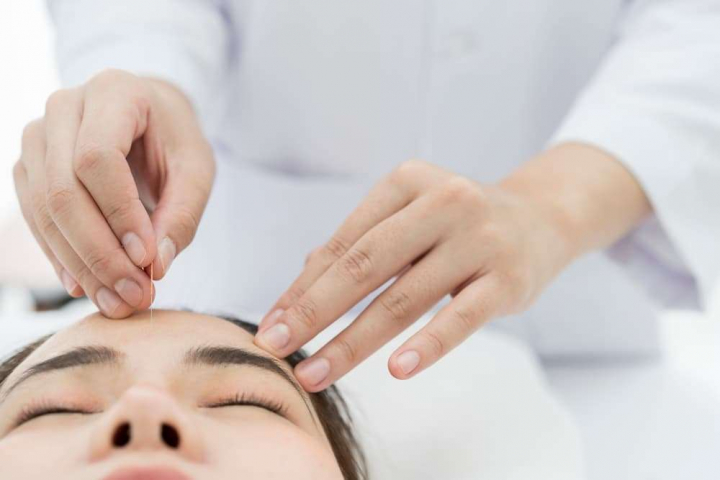
  • Level A ("Must Offer" / "Must NOT Offer"): Clinicians must offer intravenous (IV) prochlorperazine and greater occipital nerve blocks (GONB) as first-line therapies, while IV hydromorphone must not be offered owing to poor efficacy and addiction/rebound risks.
  • Level B ("Should Offer"): IV dexketoprofen, IV ketorolac, IV metoclopramide, subcutaneous sumatriptan, and supraorbital nerve blocks should be offered. IV eptinezumab is Level B only for trial-matched populations (Level U for general ED use).
  • Level C ("May Offer" / "Should NOT Offer"): IV chlorpromazine, IV dexamethasone, and IV valproate may be offered as secondary choices, whereas IV paracetamol (acetaminophen) should not be offered as it was proven likely ineffective.
  • Level U ("No Recommendation"): Evidence remains insufficient to advise or avoid caffeine, granisetron, ibuprofen, ketamine, lidocaine, normal saline, propofol, or sphenopalatine ganglion blocks.

Practice Impact

This guideline overhaul modernizes emergency protocols by replacing routine opioids and acetaminophen with targeted cranial nerve blocks, nonsteroidal anti-inflammatory drugs (NSAIDs), and dopamine antagonists for rapid, evidence-grounded relief.

Source:

Headache

Article:

2025 guideline update to acute treatment of migraine for adults in the emergency department: The American Headache Society evidence assessment of parenteral pharmacotherapies

Authors:

Jennifer Robblee et al.

Comments (0)

You want to delete this comment? Please mention comment Invalid Text Content Text Content cannot me more than 1000 Something Went Wrong Cancel Confirm Confirm Delete Hide Replies View Replies View Replies en
Try: