

Categories
Change Password!
Reset Password!



Targeted probiotic strains demonstrate measurable clinical and immunological benefits in atopic dermatitis, strengthening the gut–skin axis as a credible therapeutic pathway.
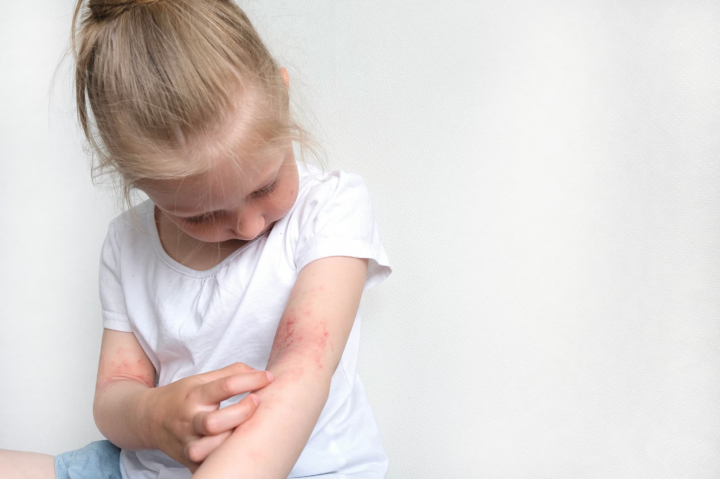
According to the findings of a new study, adjunctive probiotic therapy enhances immune regulation and reduces disease severity in atopic dermatitis (AD) patients. AD represents a chronic inflammatory skin disorder marked by relapsing eczema, persistent pruritus, and substantial impairment in quality of life. Increasing evidence highlights the role of the gut–brain–skin axis in immune dysregulation, positioning microbiome-targeted interventions as a novel therapeutic avenue.
Probiotics are increasingly investigated for their capacity to influence immune balance and microbial homeostasis in inflammatory skin diseases. This study led by Oliwia Sędziak et al. aimed to evaluate the clinical efficacy, immunological effects, and safety of probiotic-based interventions in patients with AD. Comprehensive searches were executed across PubMed, Embase, and Web of Science to identify relevant literature studies. Eligible publications incorporated randomized controlled trials, systematic reviews, and meta-analyses evaluating probiotic interventions in AD.
Data extraction focused on study design, patient populations, probiotic strains, dosage, and duration of treatment, clinical severity outcomes (Scoring atopic dermatitis [SCORAD], Eczema area and severity index [EASI]), immunological markers, and safety profiles. After screening and eligibility assessment, 32 studies were included for qualitative synthesis. The results showed that specific probiotic strains, particularly Lactobacillus paracasei K71, L. plantarum IS-10506, and L. acidophilus L-92, were linked to moderate improvements in disease severity and immune regulation in both kids and adults with AD.
These benefits were measured using established clinical scoring systems and supported by favorable changes in immune markers. Early evidence also indicated that topical bacteriotherapy with Roseomonas mucosa may help modify the skin microbiota and alleviate disease activity, although results were not consistent across studies.
Overall, probiotics offered strain-specific, adjunctive benefits in AD. Oral formulations showed consistent, moderate clinical efficacy, while topical microbiome-based therapies remain experimental. The findings highlighted the need for well-designed randomized trials to define optimal strains, treatment duration, and long-term safety.
Forum Dermatologicum
Probiotics in atopic dermatitis: A systematic literature review
Oliwia Sędziak et al.









Comments (0)