

Категории
Сменить пароль!
Сброс пароля!


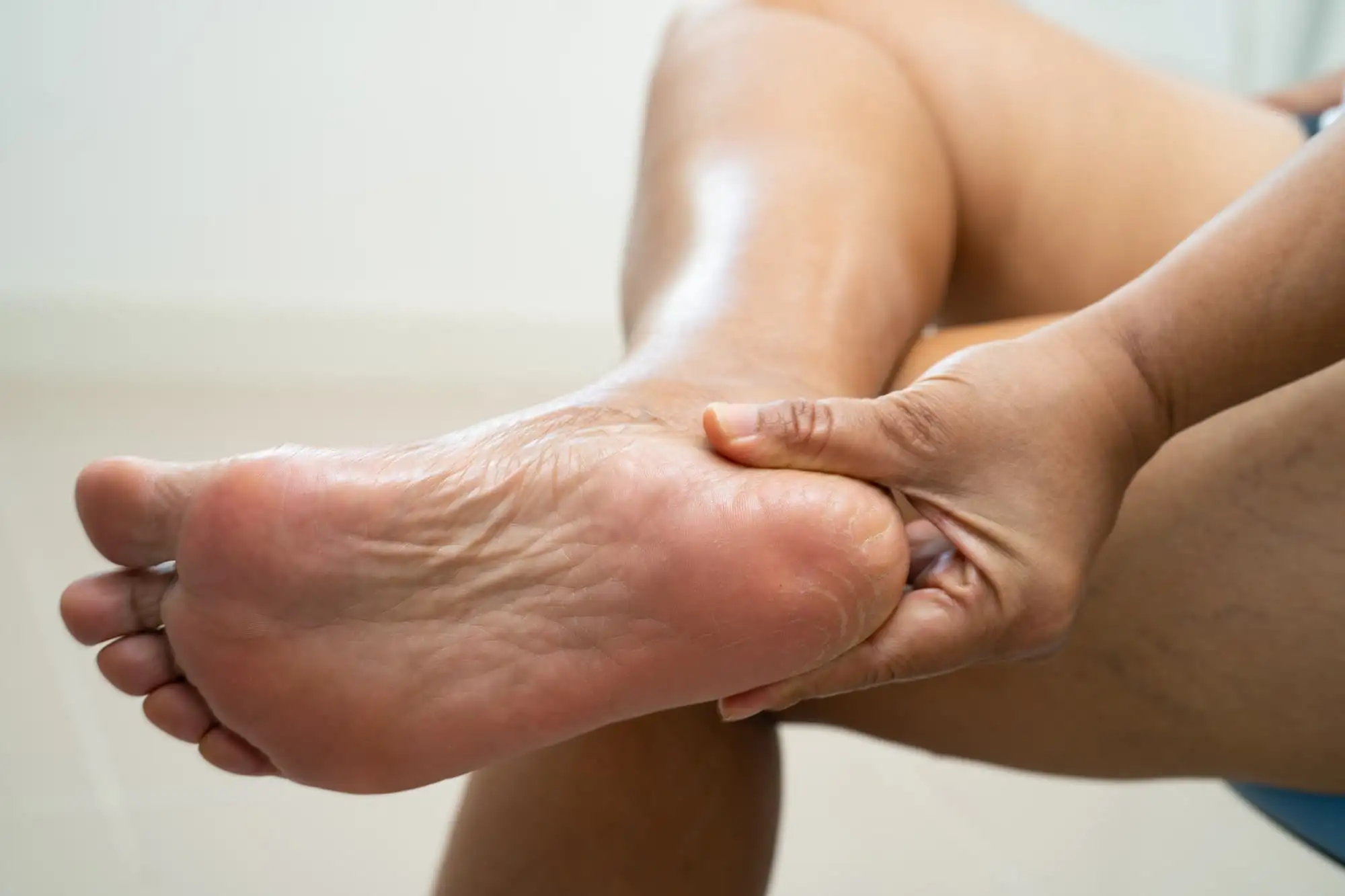
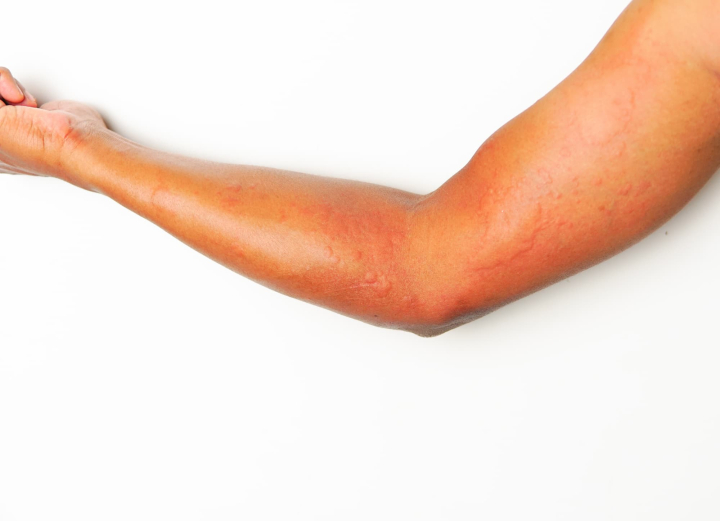
Тербинафин и итраконазол обеспечивают сопоставимое клиническое улучшение при паховой эпидермофитии, значительно уменьшая эритему, зуд и шелушение кожи.
Рецидивирующая паховая эпидермофития остаётся сложной задачей в терапии. Согласно данным сравнительного исследования, прием внутрь тербинафина и итраконазола в сочетании с местным нанесением 2% сертаконазола обеспечивает сходные клинические результаты. Полученные результаты свидетельствуют о том, что оба пероральных противогрибковых препарата могут эффективно контролировать характерные симптомы этого распространенного заболевания.
В исследование были включены 90 пациентов с паховой эпидермофитией, из которых 45 пациентов были рандомизированы в группу перорального приема тербинафина в дозе 250 мг один раз в сутки в течение 4 недель в комбинации с местным применением 2% сертаконазола в течение 8 недель, в то время как остальные 45 пациентов получали перорально итраконазол в дозе 100 мг один раз в сутки в течение 15 дней вместе с местным применением 2% сертаконазола в течение 8 недель. Ответ на лечение определяли во время четырех контрольных визитов с использованием оценки по клиническим шкалам для эритемы, зуда и шелушения кожи.
К четвертой неделе пациенты в обеих группах лечения испытывали значительное улучшение всех трех клинических параметров. Снижение эритемы, зуда и шелушения было статистически значимым в каждой группе (p<0,001), при этом различий в общей эффективности между двумя противогрибковыми препаратами не наблюдалось.
Таким образом, пероральный прием тербинафина и итраконазола являются одинаково эффективными вариантами при паховой эпидермофитии при использовании вместе с местным 2% сертаконазолом, предлагая клиницистам гибкость в выборе противогрибковой терапии для этой часто рецидивирующей поверхностной грибковой инфекции.
International Journal of Current Pharmaceutical Review and Research
Comparative Study of Efficiency of Terbinafine and Itraconazole in Treatment of Tinea Infection
Srinivas Kumar Maddineni










Комментарии (0)