

Categories
Change Password!
Reset Password!


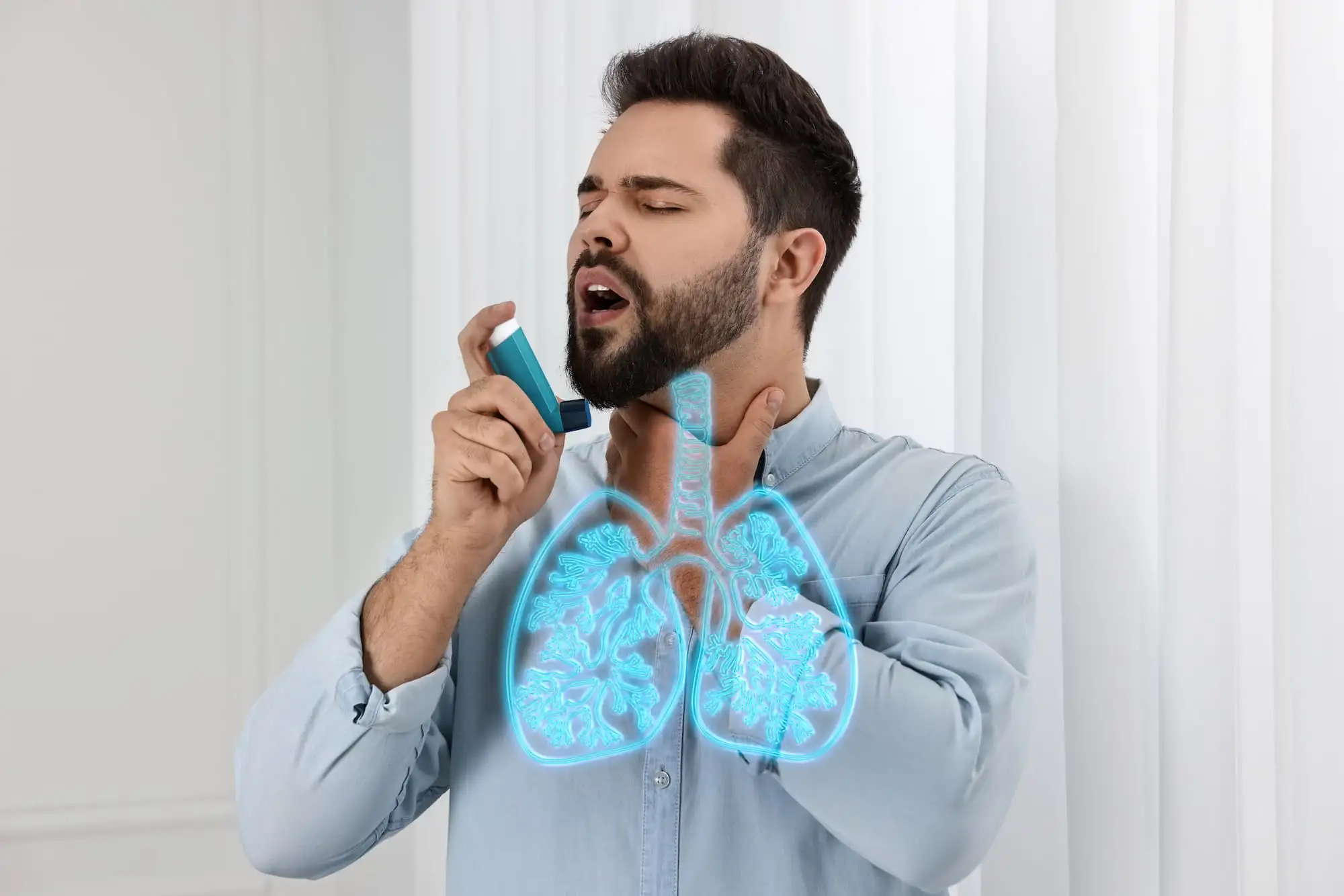
The 2026 GINA guidance emphasizes the use of inhaled corticosteroid (ICS)-based therapy for adults, adolescents, and children aged 6–11 years with asthma. For adolescents and adults, ICS–formoterol is the recommended reliever to minimize the risk of severe exacerbations.
Asthma care continues to require more than symptom relief. The updated Global Initiative for Asthma (GINA) 2026 summary guide for healthcare professionals (HCPs) reinforces the importance of confirming the diagnosis, assessing future exacerbation risk, selecting individualized treatment and regularly reviewing asthma control. The guide covers adolescents, adults, and kids and is aligned with the 2026 Global Strategy for Asthma Management and Prevention.
Key recommendations
1. ICS-containing treatment for all age groups
GINA advocates inhaled corticosteroid (ICS)-containing treatment for all adults, adolescents, and kids aged 6–11 years with asthma. Treatment must commence as soon as possible after diagnosis because even those with infrequent symptoms can experience severe exacerbations. Treatment containing ICS minimizes exacerbations, improves lung function, and diminishes the likelihood of asthma-linked hospitalization and death.
2. ICS-formoterol remains the preferred strategy for adolescents and adults
GINA 2026 prioritizes Track 1, recommending as-needed low-dose ICS-formoterol at Steps 1–2, followed by low-dose and medium-dose maintenance-and-reliever therapy (MART) at Steps 3 and 4, respectively. Compared with Track 2, this strategy reduces severe exacerbation risk, maintains similar symptom control, and simplifies asthma management through a single-inhaler approach.
The guide reports that as-needed low-dose ICS-formoterol decreases emergency visits and hospitalizations by 65% when compared to short-acting beta2-agonist (SABA)-only treatment and by 37% compared with daily ICS + as-needed SABA.
3. SABA-only treatment is not advocated
The guide advises against treating asthma solely with as-needed SABA. SABA-only treatment is linked with a heightened risk of exacerbations, worse lung function, and asthma-related death. Dispensing three or more 200-dose SABA canisters annually is connected with a higher risk of severe exacerbations, while dispensing 12 or more canisters/year is connected with a heightened risk of asthma-related death.
4. Objective diagnosis and individualized assessment remain essential
Confirming asthma involves identifying a pattern of variable respiratory symptoms and documenting variability in expiratory airflow. Peak expiratory flow testing or spirometry can help confirm the diagnosis. In those suffering from typical symptoms, increased fractional exhaled nitric oxide (FeNO) or blood eosinophils may support type 2 asthma detection, although lower levels do not exclude asthma.
The guide also advocates assessing symptom control, exacerbation risk factors, lung function, inhaler technique, medication adherence, and comorbidities. Notably, 25–35% of patients diagnosed with asthma in primary care may not actually have the condition, reinforcing the importance of objective confirmation.
5. Children aged 6–11 years require age-specific therapy
For those aged 6–11 years, GINA suggests ICS-containing therapy and advises against SABA-only therapy. In those with mild asthma, as-needed low-dose ICS-formoterol decreases the chances of exacerbations compared with SABA-only treatment. Kids requiring Step 4 therapy must be considered for referral to a child asthma expert. For those suffering from severe asthma, add-on options following specialist assessment include tiotropium and selected biologic therapies, depending on the asthma phenotype and eligibility criteria.
6. Uncontrolled asthma warrants reassessment before treatment escalation
When asthma remains uncontrolled despite ICS-containing treatment, the guide advocates checking inhaler technique and adherence first. HCPs must also reassess the diagnosis, risk factors, allergen or smoke exposure and comorbidities prior to changing treatment. Those who remain uncontrolled after 3–6 months on Step 4 treatment must be referred for expert advice, or earlier if symptoms are severe or the diagnosis is uncertain.
7. Regular review and written action plans are integral to asthma care
GINA recommends reviewing asthma 1–3 months following treatment initiation and subsequently every 3–12 months, with review within one week after an exacerbation. Lung function must be assessed before starting ICS, 3–6 months later and at least every 1–2 years thereafter. All patients must receive a written asthma action plan covering their usual medication, when and how to increase or add treatment, and when to seek prompt medical attention.
8. Acute exacerbations require prompt assessment and appropriate treatment
The guide emphasizes assessing exacerbation severity while initiating treatment. Severe exacerbations call for emergency hospital transfer and immediate management with inhaled SABA, ipratropium bromide, systemic corticosteroids, and oxygen therapy when required. The recommended strategy for mild to moderate asthma flare-ups includes inhaled SABA administration and titrated oxygen therapy, if indicated and accessible.
Recommended oral corticosteroid regimens, except for mild exacerbations, are:
Routine chest X-rays, blood gas testing, and antibiotics are not suggested for asthma exacerbations. To sum up, the 2026 GINA summary guide reinforces a structured, individualized approach to asthma care, prioritizing ICS-containing treatment, minimizing reliance on SABA-only therapy, confirming diagnosis objectively, and addressing modifiable risk factors. Regular reassessment, correct inhaler technique, adherence support, and written asthma action plans remain fundamental to improving asthma control and minimizing the risk of severe exacerbations.
GINA
GINA 2026 Summary Guide for Asthma Management and Prevention For Adults, Adolescents and Children 6–11 Years
Helen Reddel et al.













Comments (0)