

Categories
Change Password!
Reset Password!



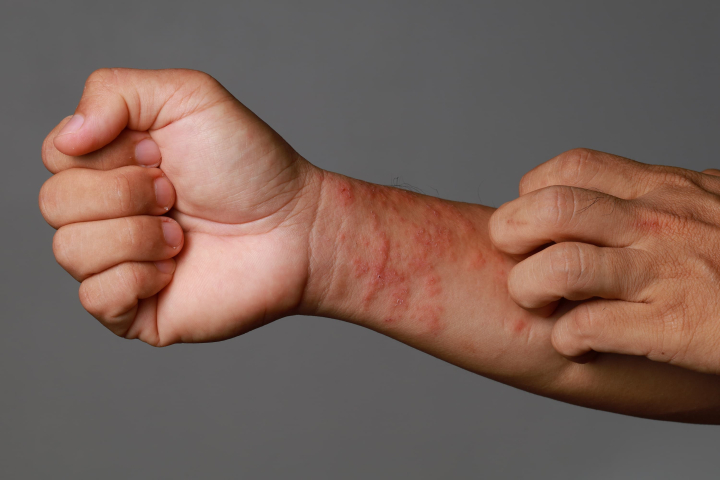
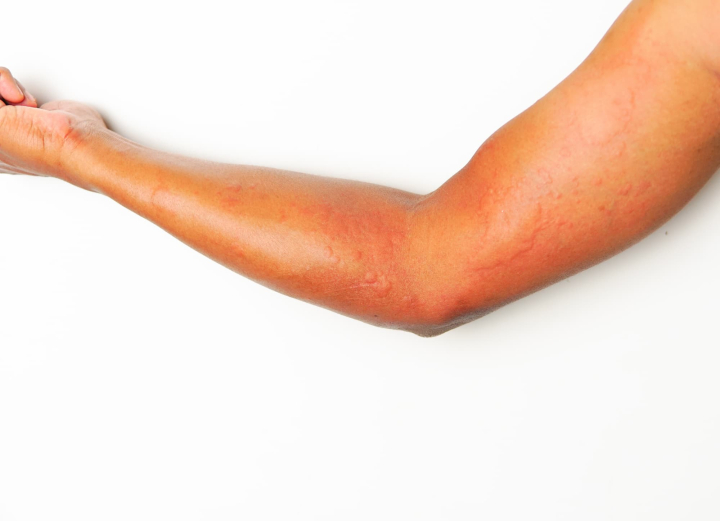
Chronic spontaneous urticaria (CSU) is a long-lasting inflammatory skin ailment marked by recurrent hives, with or without angioedema, that persist for more than 6 weeks.
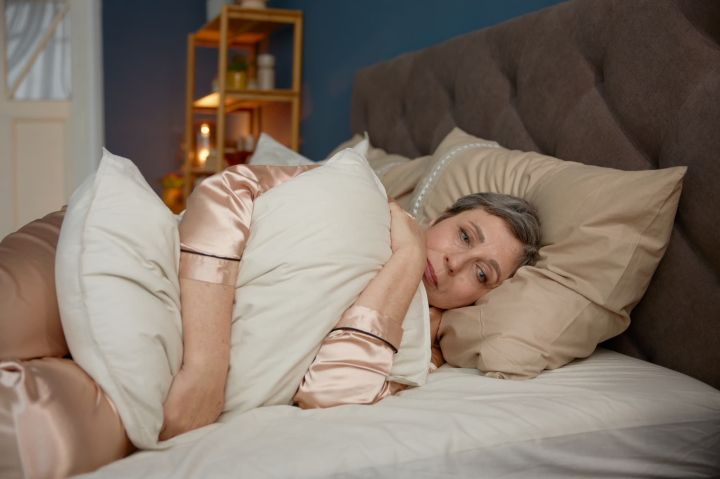
Anxiety and depression are common in chronic spontaneous urticaria and independently predict poorer health-related quality of life.
Chronic spontaneous urticaria (CSU) is a long-lasting inflammatory skin ailment marked by recurrent hives, with or without angioedema, that persist for more than 6 weeks. Ongoing symptoms and the need for prolonged treatment can substantially impair psychological wellbeing and reduce health-related quality of life (HRQoL). This study evaluated the prevalence of anxiety and depression in individuals with CSU, assessed their HRQoL, and explored the relationship between psychological wellbeing and quality of life.
A cross-sectional study recruited 114 patients with CSU from the dermatology clinic between October 2022 and April 2024 using convenience sampling. Data collected included sociodemographic characteristics, disease- and medication-linked variables, HRQoL evaluated via the Chronic Urticaria Quality of Life Questionnaire (CU-Q2oL), anxiety assessed via the Generalized Anxiety Disorder 7-Item (GAD-7) Scale, and depression measured via the 9-item Patient Health Questionnaire (PHQ-9). Associations between psychological wellbeing and HRQoL were analyzed via multivariable regression.
The mean patient age was 42.0 years (standard deviation [SD]: 12.5), and 90.4% were women. Most participants had mild-to-moderate disease activity, while 53.5% reported angioedema and approximately 8% had concomitant inducible urticaria. The prevalence of patients at risk for generalized anxiety disorder and major depressive disorder was approximately 28% each. The mean CU-Q2oL score was 35.3.
Elevated anxiety and depression scores, increased disease activity, the presence of angioedema, drug allergy, and the usage of sedative antihistamines were noticeably linked with poorer HRQoL. Multivariable regression analysis further showed that elevated anxiety and depression levels were independent predictors of reduced HRQoL in CSU-affected subjects.
Psychological distress was found to be a major contributor to reduced HRQoL in CSU. The study highlighted the value of routinely identifying and addressing anxiety and depression alongside disease activity to improve patient-centered outcomes.
Clinical, Cosmetic and Investigational Dermatology
Psychological Wellbeing of Patients with Chronic Spontaneous Urticaria and Its Relation to Their Overall Health-Related Quality of Life
Maha F Saja et al.










Comments (0)