

Categories
Change Password!
Reset Password!



Adults with chronic nodular prurigo report severe quality-of-life impairment, high rates of sleep disruption, and substantial psychosocial distress.
A new systematic review shows that chronic nodular prurigo (CNPG) significantly disrupts patients' quality of life (Qol), with persistent pruritus emerging as the principal factor behind sleep disturbances, psychological distress, social limitations, and reduced work productivity.
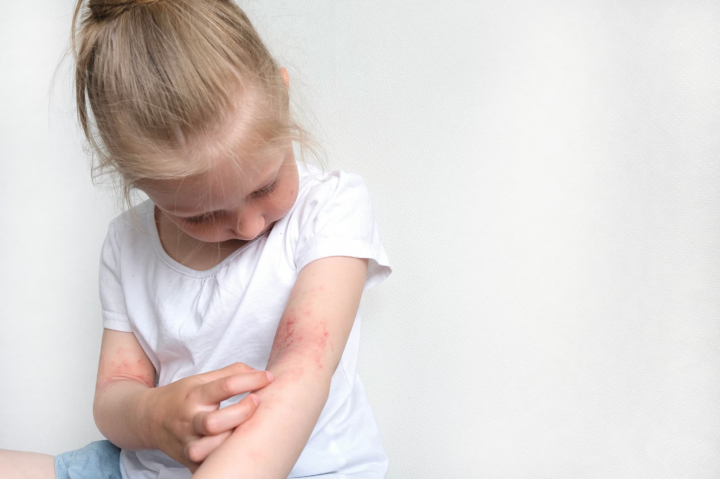
CNPG is an inflammatory neuroimmune skin disorder characterized by intense pruritus and nodular skin lesions resulting from repeated scratching. The condition affects health-related quality of life (HRQoL), although the overall burden and clinical implications remain underrecognized in dermatology practice. This systematic review aimed to evaluate observational evidence on HRQoL impairment, symptom burden, treatment satisfaction, and unmet medical needs among adults with CNPG.
Researchers conducted the review according to Preferred Reporting Items for Systematic reviews and Meta-Analyses (PRISMA) 2020 guidelines, searching PubMed and the Cochrane Library through April 2025. Of 464 records identified, 23 research fulfilled the inclusion criteria. Across studies, patients reported significant deterioration in quality of life. Mean Dermatology Life Quality Index (DLQI) scores ranged from 7 to 22, indicating moderate-to-very large effects on daily living.
General health status measures were also substantially reduced, with EQ-5D scores ranging from 57.4 to 65.3 and Health Utilities Index Mark III (HUI3) scores around 0.52, significantly lower than those observed in control populations (p < 0.001). Pruritus consistently emerged as the most bothersome symptom. Elevated scores on itch-specific instruments, including the Itchy Quality of Life Questionnaire, the 5-Dimensional Itch Scale, and the 5-Dimensional Pruritus Life Quality Questionnaire, reflected the profound impact of chronic itching on patients' well-being.
Although greater itch intensity was linked with poorer HRQoL and lower treatment satisfaction, the authors noted that no mediation analyses were performed, preventing conclusions about causality. Sleep impairment was among the most common consequences of the disease, affecting up to 100% of patients in some studies. Mental health burden was also substantial, with anxiety symptoms reported in 26–46% of patients and depressive symptoms in 16–57%.
The review further showed widespread disruption of daily life. Limitations in everyday activities were reported by up to 100% of patients, while occupational functioning was impaired in up to 83%. Difficulties in social interactions and sexual relationships affected 27–95% of individuals, underscoring the extensive psychosocial consequences of CNPG. Despite ongoing treatment, patient satisfaction remained modest, with a mean satisfaction rate of 57.4%. Higher levels of itch were linked to lower satisfaction, suggesting that inadequate symptom control remains a major unmet need.
The findings highlight that CNPG extends far beyond a dermatologic condition and should be viewed as a disorder with substantial physical, emotional, psychosocial, and occupational consequences. Hence, a more comprehensive and multidisciplinary approach to care should be integrated that addresses both symptom control and the broader psychosocial challenges experienced by patients.
Dermatology and Therapy
Impact of Chronic Nodular Prurigo on Quality of Life: A Systematic Review of the Literature
Pedro Herranz Pinto et al.











Comments (0)