

Categories
Change Password!
Reset Password!


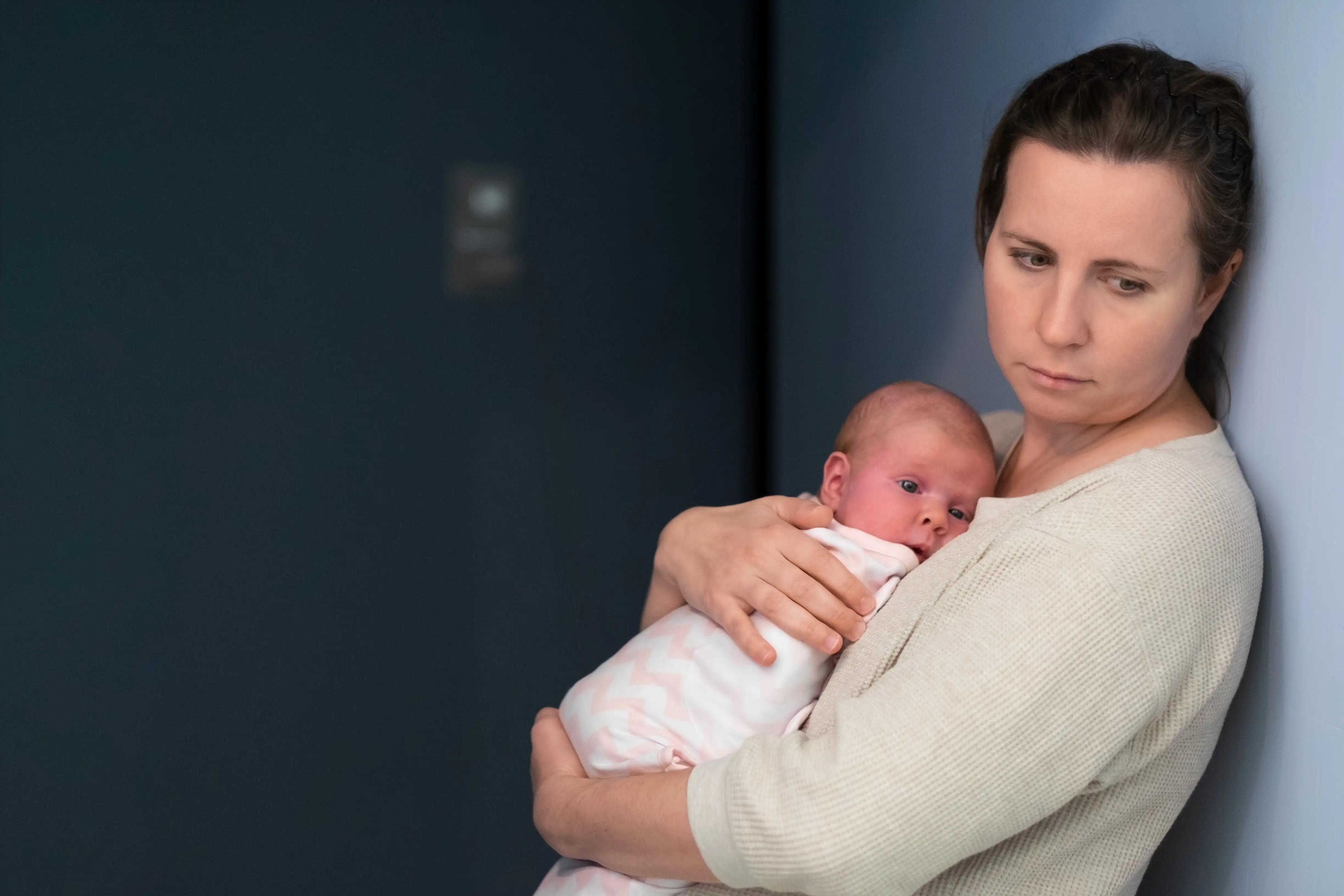
Dysregulated oxytocin–vasopressin interplay characterizes mother–infant interactions in postpartum depression.
A new descriptive study sheds light on the neurobiological underpinnings of postpartum depression (PPD), revealing distinct alterations in the trajectories of key social and mood-regulating hormones—Oxytocin (OT) and Vasopressin (VP)—before, during, and after mother–infant interactions.
PPD remains a major public health concern, with far-reaching consequences for maternal mental health and infant development. However, limited data exist on its neurobiological basis. To address this gap, researchers investigated hormonal responses linked to maternal bonding and emotional regulation.
Overall, 12 postpartum mother–infant pairs, comprising 5 mothers with PPD and 7 without PPD were enrolled. After baseline blood and saliva collection, volunteers engaged in a 15-minute semi-structured play interaction. Maternal blood samples were collected at 5, 10, 15, and 40 minutes, while saliva samples from both mothers and infants were collected at 20 minutes.
Across the full cohort, maternal OT levels elevated at 5, 10, 15, and 20 minutes, indicating robust hormonal activation during interaction. In contrast, maternal VP levels dropped at 15 minutes, suggesting a complementary regulatory response. Infants depicted a significant rise in OT at 20 minutes, reinforcing the bidirectional nature of bonding biology. However, clear differences emerged in mothers with PPD:
Additionally, maternal and infant hormone levels were positively correlated overall, with stronger associations noted in non-PPD dyads. OT illustrated stronger mother–infant coupling than VP, while OT and VP were generally negatively associated, indicating complex neuroendocrine interplay. Thus, PPD appears to be associated with dysregulated oxytocin and vasopressin systems, potentially impairing emotional attunement and early-life bonding. The altered hormonal recovery pattern in PPD mothers may reflect prolonged neurobiological stress or reduced adaptability following social interaction. The study also highlights intergenerational biological links, as infant hormonal responses mirrored maternal patterns—raising concerns about long-term developmental implications.
Frontiers in Psychiatry
Trajectories of changes in oxytocin and vasopressin before, during, and after mother-infant interaction: a descriptive study of mothers and infants affected by postpartum depression
Tyler Harrison et al.









Comments (0)