

Categories
Change Password!
Reset Password!


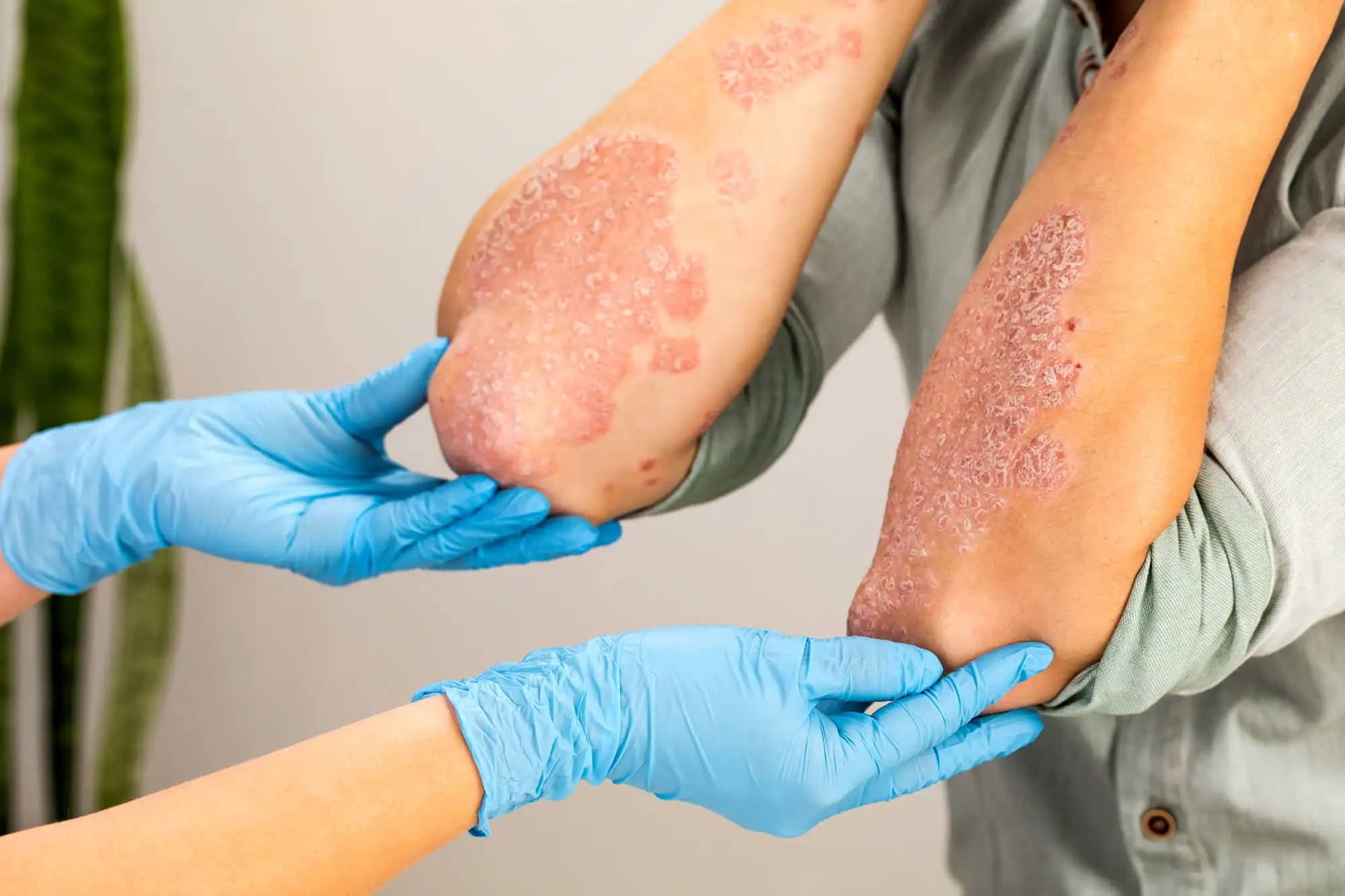
Oral orismilast suppresses IL-17A, TNF-α, and CCL20 protein levels in psoriatic skin, with near-complete IL-17A reduction in PASI75 responders using minimally invasive tape-strip sampling.
A minimally invasive skin-sampling technique using adhesive tape strips is gaining traction as a powerful tool for dermatology biomarker research. In a phase 2b clinical study (IASOS), investigators applied this approach to determine the molecular effects of oral orismilast, a selective phosphodiesterase-4B/4D (PDE4B/D) inhibitor, in patients with moderate-to-severe psoriasis.
The 16-week trial analyzed protein expression in tape-strip samples collected from lesional and non-lesional skin. Protein quantification was performed via Olink proximity extension assays alongside enzyme-linked immunosorbent assays. At baseline, 32 of 71 measured proteins were elevated in psoriatic lesions as opposed to non-lesional skin, including three central drivers of psoriasis pathology—interleukin-17A (IL-17A), tumor necrosis factor-alpha (TNF-α), and C-C motif chemokine ligand 20 (CCL20).
Oral orismilast treatment led to substantial and dose-consistent reductions in these inflammatory biomarkers by week 16. IL-17A levels dropped by 52% with 20 mg twice daily and by 51% with 30 mg twice daily. TNFα protein levels fell by 66% and 60%, respectively, while CCL20 declined by 41% and 54% across the two dosing regimens.
Molecular changes closely mirrored clinical outcomes. Patients who attained a 75% improvement in the Psoriasis Area and Severity Index (PASI75) exhibited a striking 98% reduction in IL-17A levels within lesional skin, independent of orismilast dose, highlighting IL-17A suppression as a key marker of therapeutic response.
Overall, orismilast elicited significant downregulation of proteins linked with both the TH17 and TH1 inflammatory axes, offering mechanistic support for its clinical efficacy. Notably, this study represents the first demonstration of quantitative protein profiling from psoriasis skin using tape-strip sampling combined with Olink proteomics, establishing a scalable, non-invasive platform for future psoriasis research and treatment monitoring.
Experimental Dermatology
Orismilast, a Potent and Selective PDE4B/D Inhibitor, Reduces Protein Levels of Key Disease Driving Cytokines in the Skin of Patients With Plaque Psoriasis
Richard B Warren et al.













Comments (0)