

Categories
Change Password!
Reset Password!


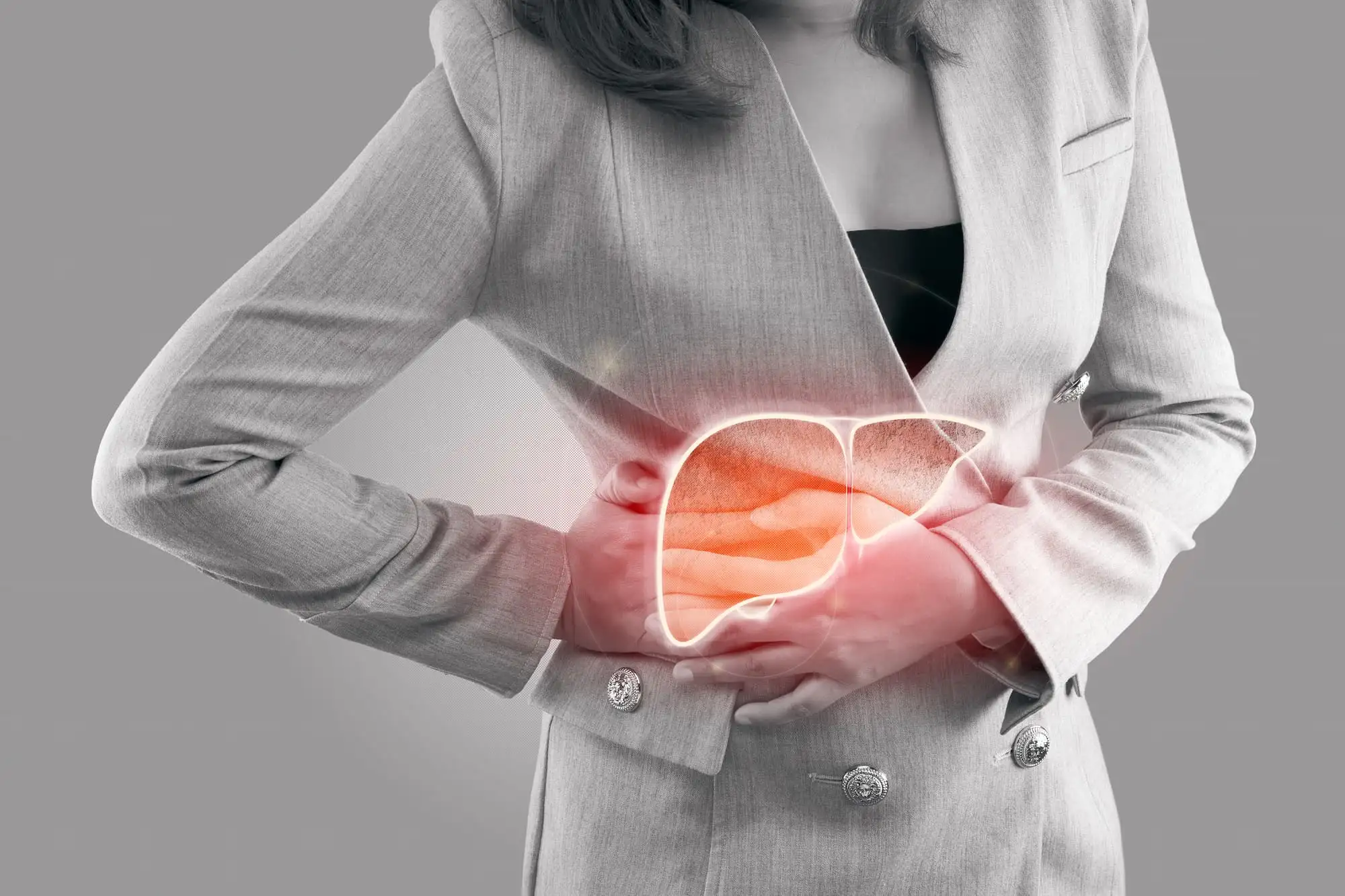
In premenopausal women, parity exerts a protective effect against NAFLD, reflecting a complex interaction between reproductive history and liver metabolism.
Reproductive factors, including pregnancy and parity, are key determinants of metabolic outcomes, but their impact on nonalcoholic fatty liver disease (NAFLD) has remained elusive. Using comprehensive Korean population data, the relationship between parity, parity number, and NAFLD likelihood in pre- and postmenopausal women was explored, revealing novel connections between childbirth and liver health.
A nationwide cohort study led by So-hyeon Hong and colleagues analyzed 28,003 Korean females—13,145 premenopausal and 14,858 postmenopausal from the Korea National Health and Nutrition Examination Survey (KNHANES). Researchers assessed the association between parity and NAFLD using the hepatic steatosis index (HSI), with multivariable analyses adjusting for obesity and other metabolic factors.
The findings indicated that NAFLD affected a significant portion of women, with an overall prevalence of 21.0%—15.3% in premenopausal women and 26.1% in postmenopausal women—underscoring its impact on female metabolic health. Among premenopausal women, parity initially heightened the odds of NAFLD in the unadjusted model [odds ratios (OR) 1.72, 95% confidence intervals (CI) 1.49–2.00], but after adjusting for potential confounders, including obesity, it illustrated a protective effect (OR 0.61, 95% CI 0.46–0.80).
This protective association persisted when women were stratified by parity: low parity (1–2 births) had an OR of 0.59 (95% CI 0.45–0.79), while high parity (3 or more births) had an OR of 0.64 (95% CI 0.47–0.87). In contrast, postmenopausal women showed no prominent association between parity and NAFLD. Investigators concluded that, after adjusting for multiple confounding factors, including obesity, parity was linked to a lower likelihood of NAFLD in premenopausal females. These findings remained consistent across sensitivity and subgroup analyses, suggesting a potentially protective role of childbirth on liver health, particularly when healthy body weight and metabolic parameters were preserved postpartum.
Scientific Reports
The impact of parity on the risk of nonalcoholic fatty liver disease defined by hepatic steatosis index: A nationwide cohort study
So-hyeon Hong et al.










Comments (0)