

Categories
Change Password!
Reset Password!


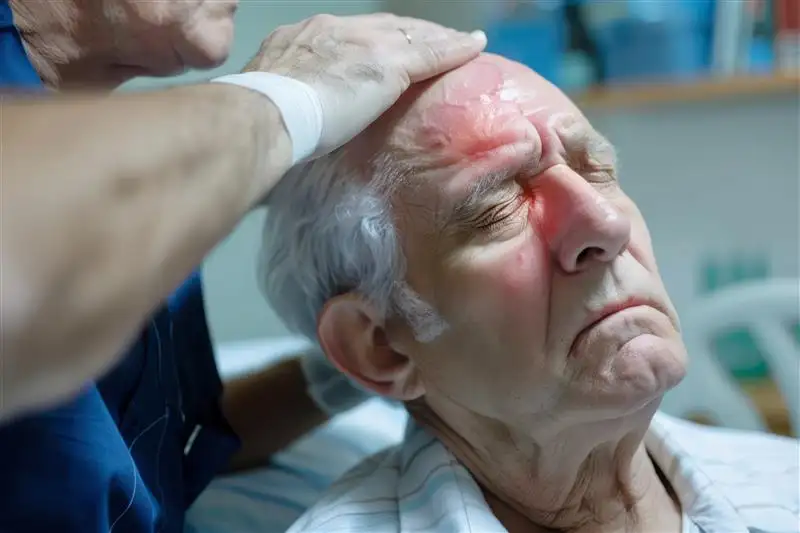
Intravenous paracetamol lowers cerebral temperature in febrile brain-injured patients, maintaining cerebral temperature below 38.5°C for several hours.
According to the outcomes of a new randomized controlled study, paracetamol can successfully lower cerebral temperature (CT) in brain-injured patients experiencing fever.
Conducted in a neuro-intensive care unit setting, the pharmacodynamic study enrolled 99 patients (mean age 55 ± 13 years; 24% female) who were febrile, with CT ≥ 38.5°C for over 30 minutes. Patients were monitored using an intracerebral pressure sensor with a thermal probe and received a single intravenous dose of either paracetamol (49 patients) or placebo (50 patients). Every 10 minutes, CT and systemic temperature (ST) were recorded for 6 hours.
The results revealed that the paracetamol group had a markedly lower mean CT over the 6-hour follow-up compared with the placebo group. CT consistently remained higher than ST in both groups (38.7 ± 0.6 vs. 38.4 ± 0.6°C). Patients receiving paracetamol spent more time within the target cerebral temperature range, whereas those given placebo rarely achieved it (Table 1).
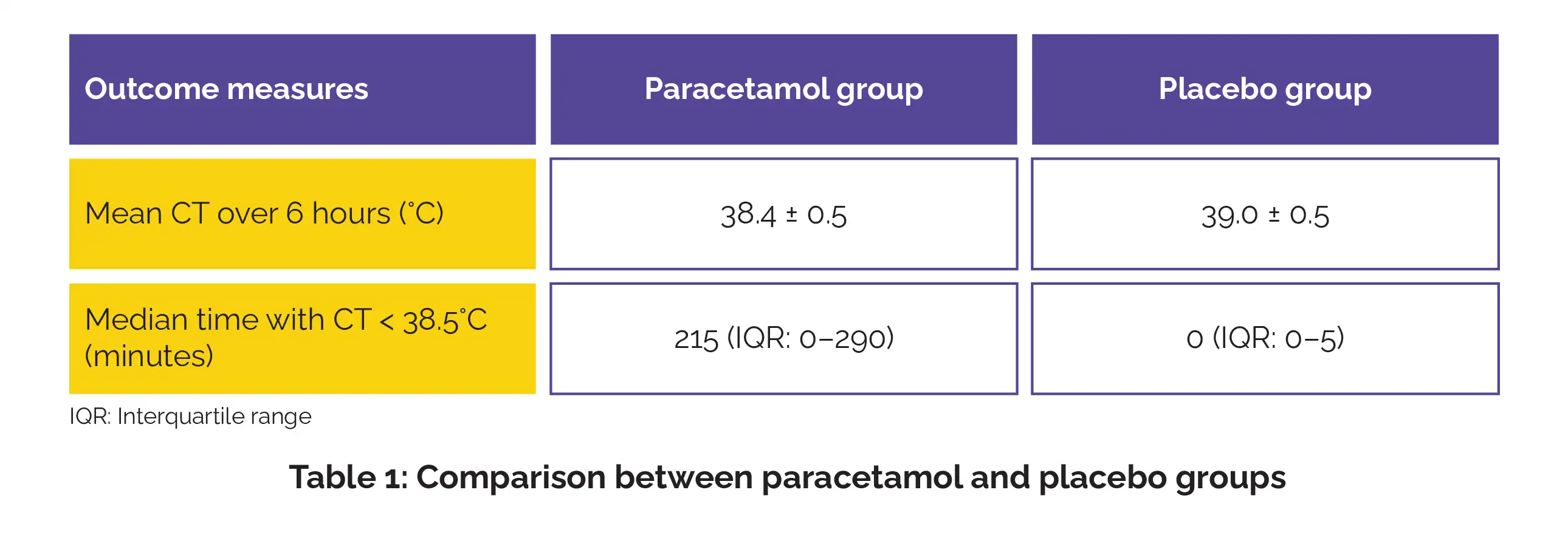
About 30% of patients in the paracetamol group did not respond to treatment, but responders experienced a mean CT reduction of 1°C. Paracetamol was linked with a moderate drop in systolic arterial pressure and heart rate, without other pivotal physiological effects. To sum up, paracetamol provided a meaningful reduction in CT for febrile brain-injured patients, achieving a median of 3.6 hours with CT below 38.5°C, although a subset of patients remained nonresponsive. The CT-ST gradient remained consistently around 0.3°C, highlighting the difference between brain and ST in this patient population.
Critical Care Medicine
Effect of Paracetamol on Cerebral Temperature in Febrile Brain-Injured Patients. The NEUROTHERM Study: A Randomized Controlled Pharmacodynamic Trial
Marine de Mesmay et al.













Comments (0)