

Categories
Change Password!
Reset Password!


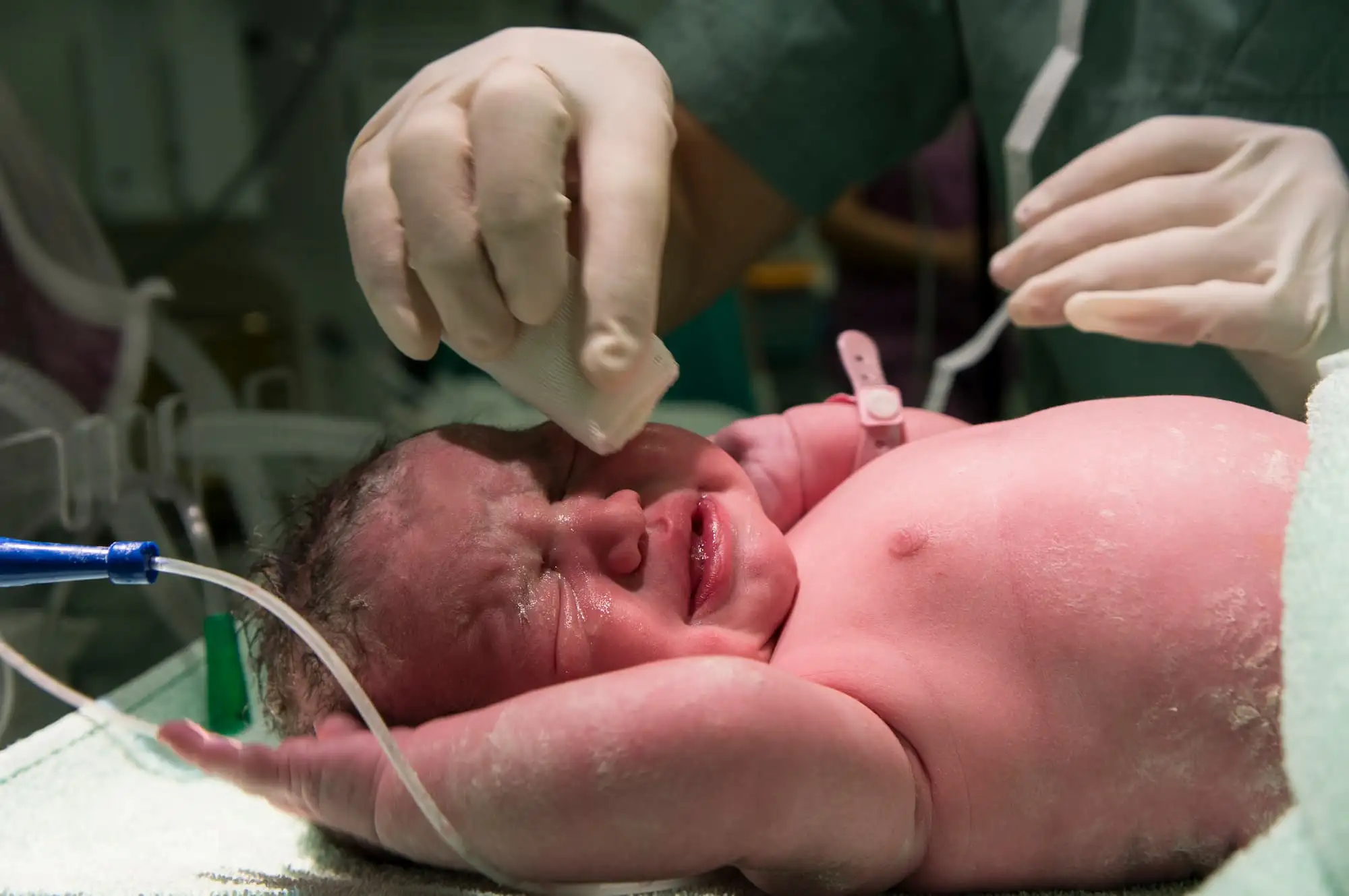
Extremely preterm infants survive at much lower rates in low- and middle-income countries in comparison with high-income countries.
A new global analysis depicted that survival rates for extremely preterm infants—born before 29 weeks’ gestation—remain highly unequal across the world.
Preterm birth poses a major challenge with extremely preterm babies facing serious health challenges. However, advances in neonatal care have steadily improved the survival of such babies. Still, survival rates differ widely across the globe, making it difficult to set universal standards of care. To address this gap, investigators aimed to measure worldwide survival rates of extremely preterm infants and track how they changed across countries and over the last two decades.
The global data was analyzed on extremely preterm infants by reviewing published research from 2000 to mid-2024. Peer-reviewed studies reporting survival rates for babies born before 29 weeks of gestation were identified through an extensive search of leading medical databases. Survival outcomes were compared across two key periods:
This systematic review and meta-analysis examined 217 studies involving more than 917,000 extremely preterm infants. As found, around 61.4% of extremely preterm infants survived until hospital discharge. Just over half of the survivors (51.7%) left without major health complications. The survival rates varied widely across regions, as shown in Table 1:
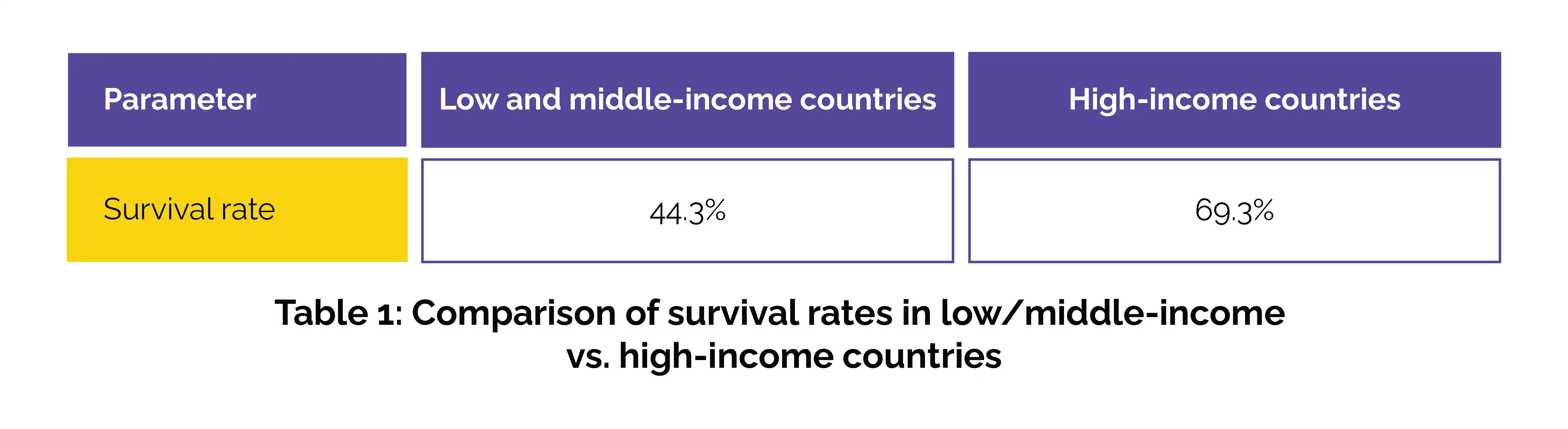
In low- and middle-income countries, survival boosted from 38% in epoch 1 to 44.8% in epoch 2, whereas in high-income countries, it was 69.9% in epoch 1 and dropped slightly to 64.2% in epoch 2. Hence, this study uncovered wide disparities in survival of extremely premature neonates, with less than half surviving in resource-limited countries. Despite some improvements, persistent gaps highlighted the need for context-specific strategies and better population-level data to guide equitable neonatal care.
BMC Pediatrics
Global inequities in the survival of extremely preterm infants: a systematic review and meta-analysis
Temesgen Getaneh et al















Comments (0)