

Categories
Change Password!
Reset Password!



Automated insulin delivery systems significantly increase time-in-range and improve glycemic control in T1DM children younger than seven years while maintaining a favorable safety profile.
Managing type 1 diabetes mellitus (T1DM) in very young children remains particularly challenging because of unpredictable eating patterns, variable insulin requirements, and a heightened vulnerability to both hyperglycemia and hypoglycemia. Automated insulin delivery (AID) technologies are increasingly transforming diabetes care by integrating continuous glucose monitoring with insulin pump therapy; however, evidence supporting their use in children under seven years of age remains scattered across individual studies.
The investigators set out to examine the performance of AID in young children with T1DM, with emphasis on glycemic control and safety across current systems. A systematic review and meta-analysis was performed by searching Web of Science, PubMed, Scopus, CENTRAL, and ClinicalTrials.gov. Studies reporting glycemic outcomes in children younger than seven years with T1DM were eligible for inclusion, whereas non-English publications were excluded. The primary endpoint was the change in time-in-range (70–180 mg/dL).
Pooled estimates were checked via random-effects models and expressed as mean changes with corresponding 95% confidence intervals. AID systems produced consistent and clinically meaningful improvements in glucose control across young children with T1DM, with benefits observed throughout the day and becoming even more pronounced during overnight periods (Table 1).
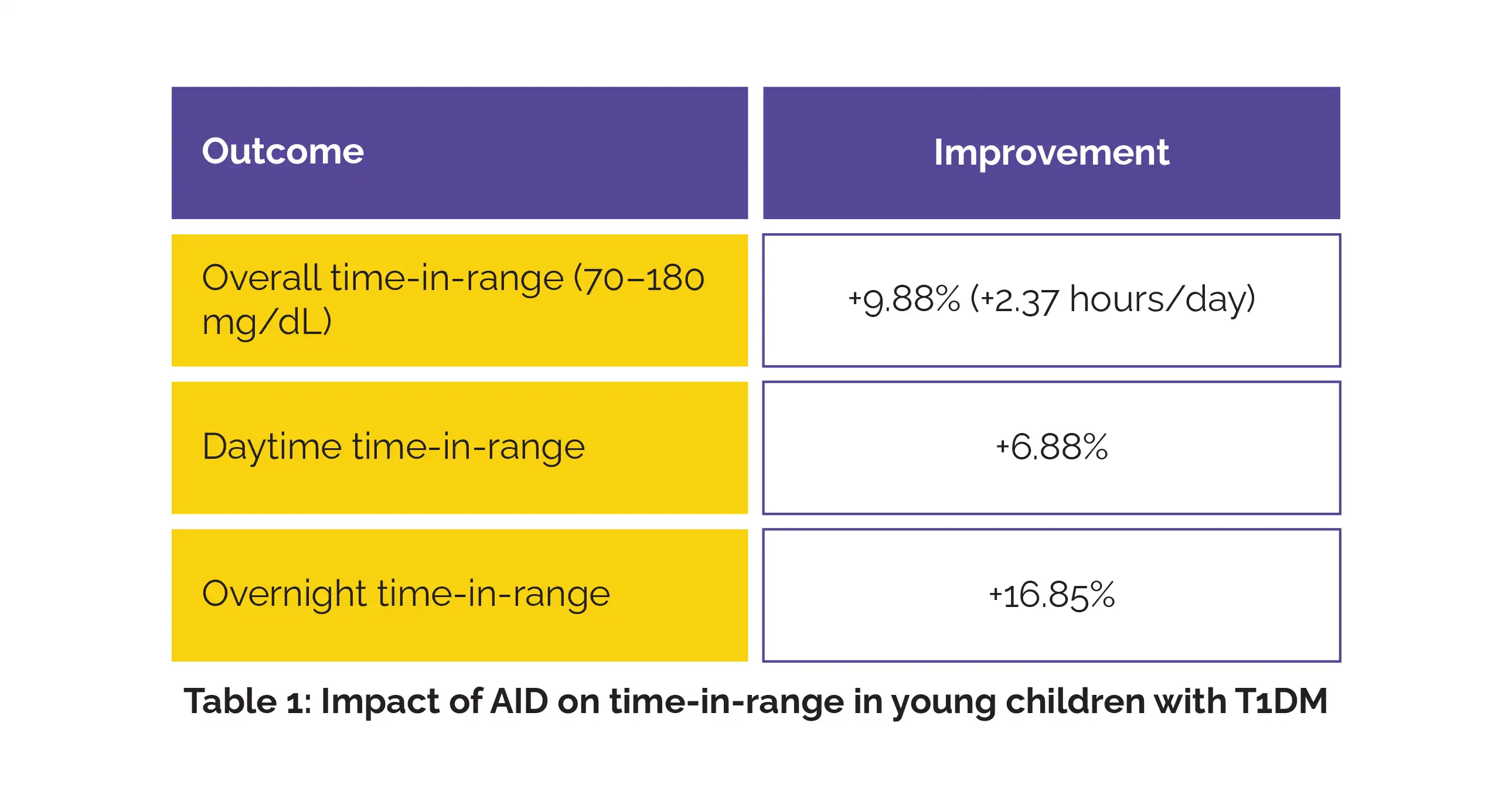
The gains were broadly consistent across commercially available AID platforms, as shown in Table 2.
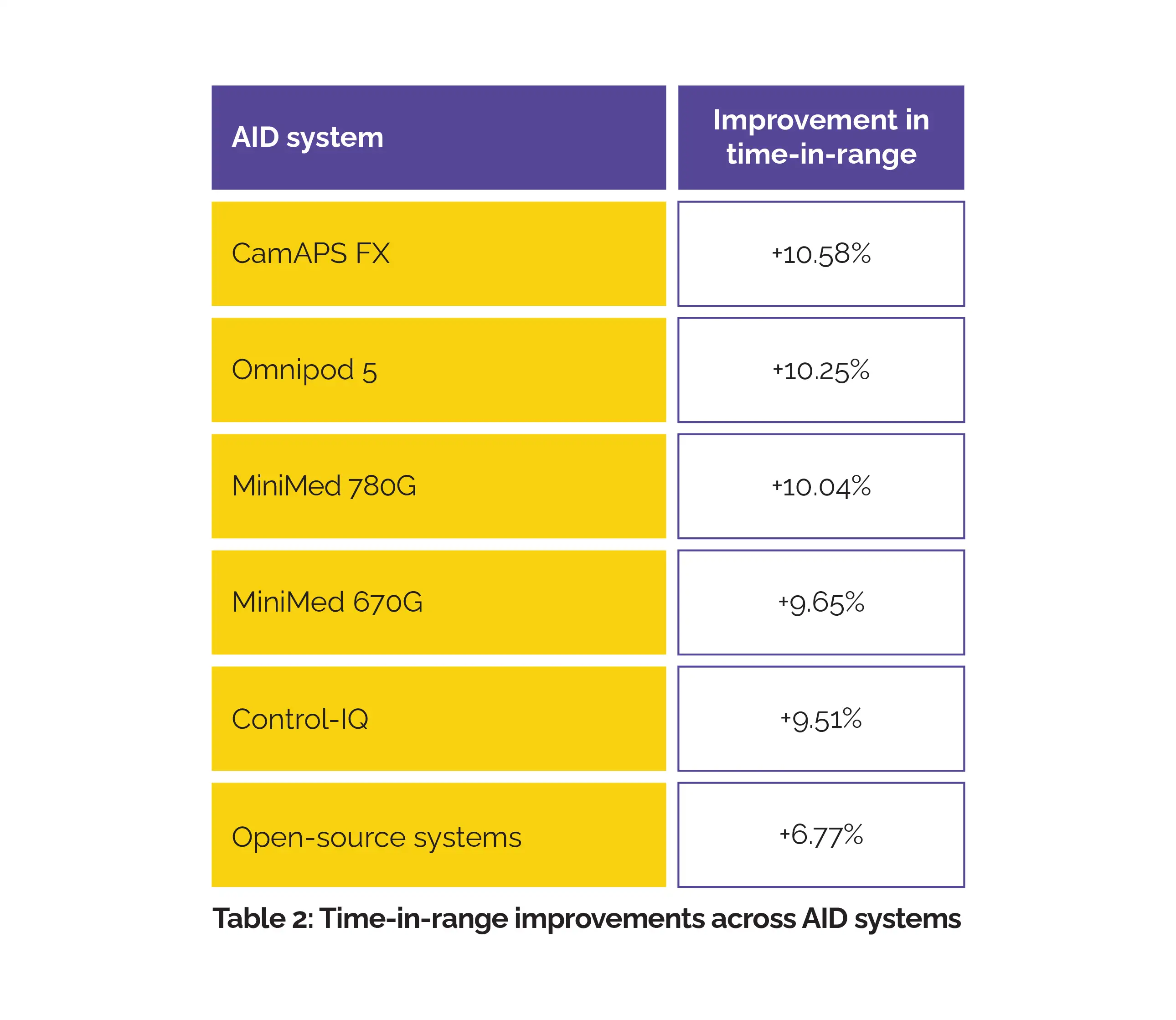
The magnitude of improvement was broadly comparable across commercially available AID platforms, indicating that the glycemic benefits of automation were consistent regardless of the device used. Thus, AID systems can deliver clinically meaningful improvements in glycemic care during early childhood—a period often characterized by highly variable insulin requirements and increased caregiving challenges—while maintaining a reassuring safety profile.
The Journal of Clinical Endocrinology & Metabolism
Automated insulin delivery in young children with type 1 diabetes: a systematic review and meta-analysis
Puguh Oktavian et al.















Comments (0)